
0 10v Dimming A Technical Guide
Search optical fiber, connectivity, cable management and network infrastructure references.
- Dimming
- Technical
- Guide
Articles and technical references
11 on this page-
Complete Guide to Copper Optical Cables
Cabling: The Complete Guide to Copper and Fiber-Optic Networking, 5th Edition is the industry-leading guide to helping you develop the skills you need to design and build reliable, cost-effective cabling infrastructure. The fourth edition of this popular guide provides you...
-
Technical Specifications of Optical Transmitter Module
Transmitter (Tx) output is characterized by average power (Pavg), extinction ratio (ER), and optical modulation amplitude (OMA). Pavg: Average of max and min signal powers. It transforms high volumes of electrical signals into optical signals for transmission. This...
[PDF Version]
-
How to wire the negative control dimming module
Cut the wire of the LED assembly which goes to the negative line of the DC supply. Finally connect the 555 pwm circuit's positive/negative wires with the LED DC supply, coming from the. 0-10V dimming is an analog low-voltage control method where a 0–10V DC signal adjusts LED...
[PDF Version]
-
Cable Tray Quality Technical Requirements
The International Electrotechnical Commission (IEC) provides detailed guidelines for cable tray systems under IEC 61537. This standard outlines the construction requirements, testing methods, and performance parameters for cable trays and related support systems. The Cable...
[PDF Version]
-
Complete Guide to Corrosion-Resistant Phenolic Cable Trays
The International Electrotechnical Commission (IEC) provides detailed guidelines for cable tray systems under IEC 61537. This standard outlines the construction requirements, testing methods, and performance parameters for cable trays and related support systems. FRP cable...
[PDF Version]
-
South African Optical Attenuator Anti-Calming Technical Parameters
The DA-100-SCA-1300/1550-9/125-S-60 from OZ Optics Ltd. is a Fiber Optic Attenuator with Wavelength Dependent Loss Up to 0. 01 dB, Insertion Loss 1 to 2 dB, Return Loss 60 dB. Our fiber optic attenuators are manufactured according to industrial standards, and they are 100%...
-
Wiring Guide for Home Electrical Distribution Boxes
Check for proper IP/NEMA ratings and material quality. Ensure safe placement: install in dry, accessible areas with good ventilation and at appropriate height (typically ~1. Practice good wiring: secure grounding, neat cable management, proper insulation, and correct wire...
[PDF Version]
-
Technical Requirements for Pipeline Optical Cables
163 describes criteria for the installation of optical fibre cables defined in Recommendation ITU-T L. (FOA) was founded in 1995 to help develop the workforce to build the fiber optic networks to support a rapid expansion in communications and the Internet. The charter of the...
[PDF Version]
-
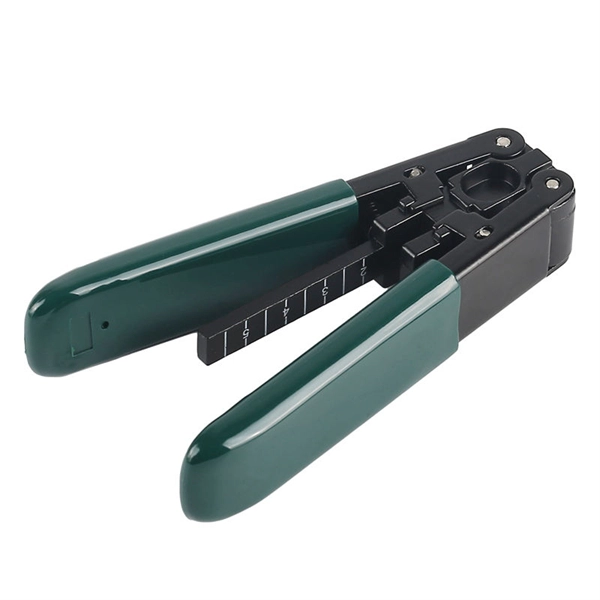
Technical Requirements for Fiber Optic Patch Cords
Fiber optic patch cables are ideal for supporting high speed telecommunication network fiber applications. They are manufactured and tested in compliance with TIA 604 (FOCIS), IEC 61754 and YD/T industry standards. They act as the critical link for interconnecting devices...
[PDF Version]
-
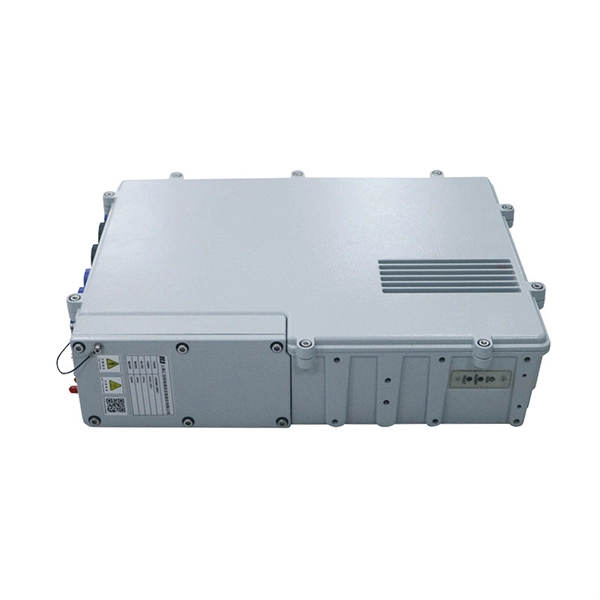
Technical Requirements for Imported Cables and Optical Fibers
This article explains eight of the most important global fiber and cable standards — ITU-T, IEC, TIA, ISO/IEC, and Telcordia — covering their scope, applications, and why they matter in real-world deployments. While the US relies heavily on TIA/EIA standards (like TIA-568)...
[PDF Version]
-
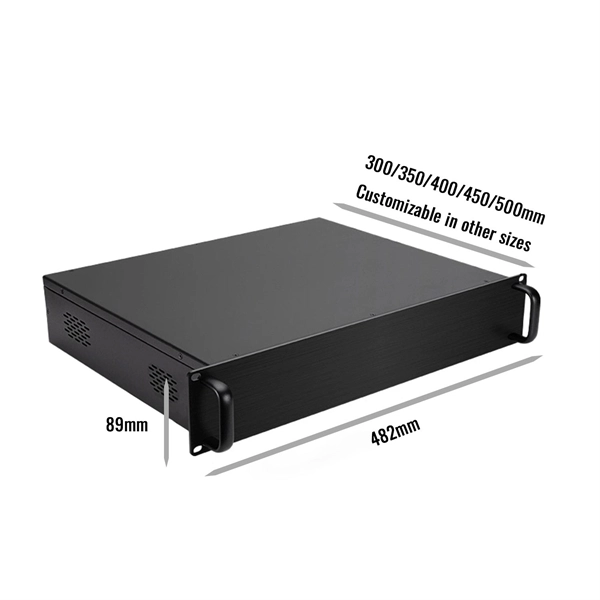
Distance between distribution box guide rails
Current regulations require “All platforms and walkways to have protective barriers on all open sides, consisting of a handrail, knee or intermediate rail, toe-plate and Handrail Standards”. the distance between two rails, or between the lower rail and the top of an up-stand...
[PDF Version]