
100g Qsfp28 Optical Transceiver
Search optical fiber, connectivity, cable management and network infrastructure references.
- 100G
- Qsfp28
- Optical
Articles and technical references
11 on this page-
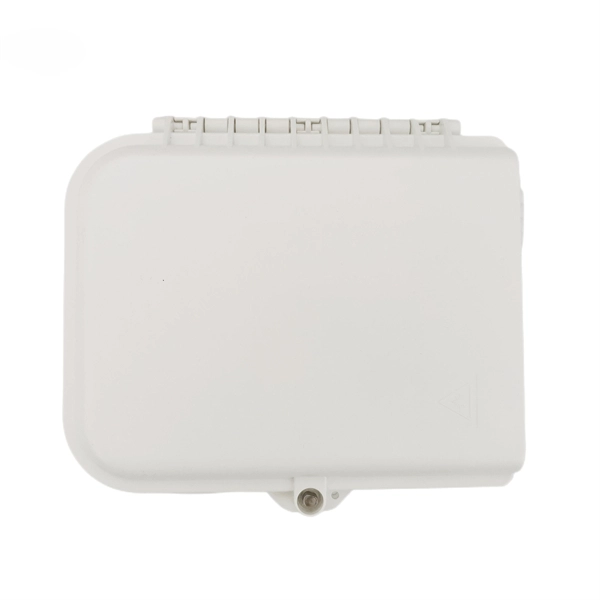
Egypt QSFP28 optical module QSFP28
The QSFP28-100G-BIDI is a high-performance optical transceiver module designed for 100 Gigabit Ethernet applications. It utilizes bidirectional (BiDi) technology to transmit and receive data over a single pair of multimode fibers, significantly reducing fiber infrastructure...
[PDF Version]
-
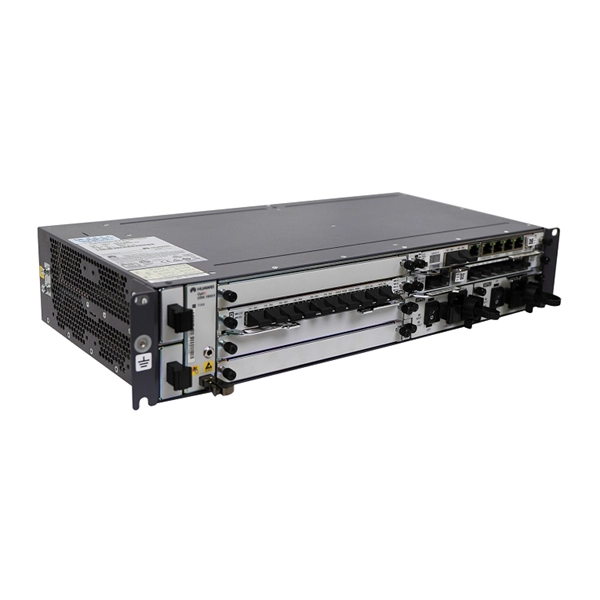
Israel CE certified optical receiver QSFP28
The QSFP28 module provides 100GBase-LR4 throughput up to 10km over a standard pair of single mode fiber (SMF) with duplex LC connectors. This transceiver is compliant with SFF-8661, SFF-8636,IEEE 802. 3 100GBASE-LR4 and QSFP28 MSA standards. Digital diagnostics functions...
[PDF Version]
-
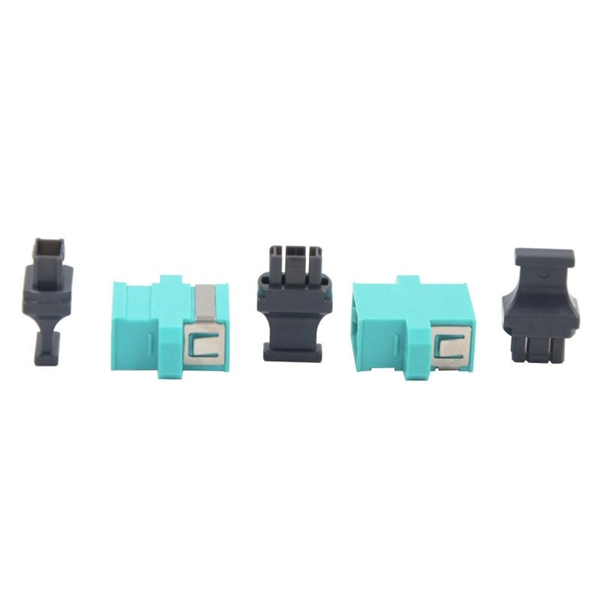
Papua New Guinea Optical Core Router QSFP28
QSFP28 MSA package with simplex LC connector Single +3. 3V power supply Power consumption <4 W Compliant to SFF-8636 SFF-8679 standard Compliant to 100G Lambda MSA 100G-LR Optical Specifications Complies with EU Directive 2015/863/EU Operating case temperature: 0 to +70...
-
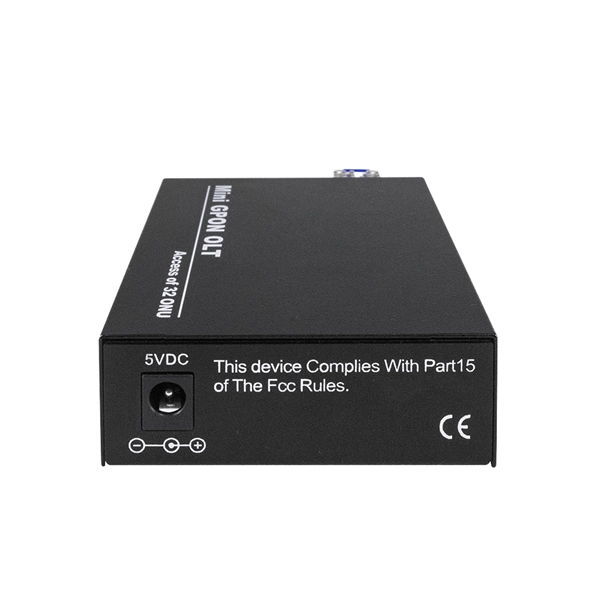
Price of 100G QSFP Optical Module
A $35 QSFP28 SR4 module delivers 100G, which equals $0. At volume, QSFP28 SR4 can reach approximately. FS offers a growing portfolio of 100G QSFP28 modules. The 100G QSFP28 module solution provides high-performance 100GbE connectivity for data centres, enterprise core &...
[PDF Version]
-
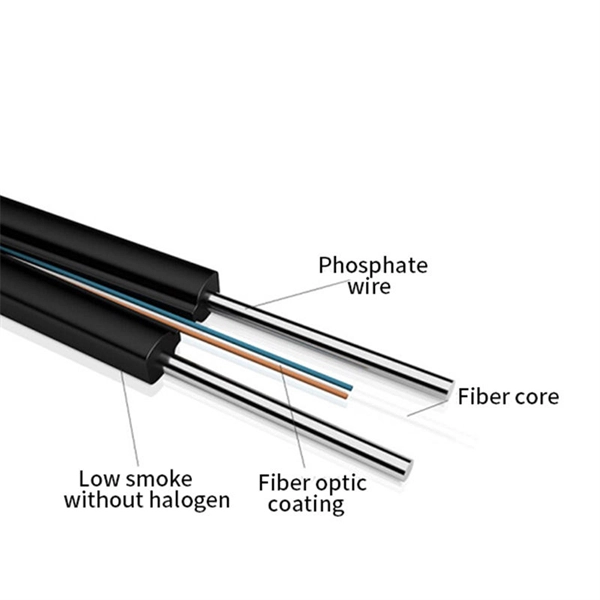
What is the purpose of adding an optical transceiver to a switch
Converting Electrical Signals to Optical Signals: The optical transceiver receives electrical signals from network equipment, such as a router or switch. In simple terms, it converts electrical signals from network devices (like routers or switches) into optical. A fiber...
-

Huijue Optical Module Transceiver
Product Overview & Key Features This 800G OSFP (Octal Small Form-factor Pluggable) optical transceiver is a high-performance module engineered for the next generation of ultra-high-bandwidth networks. Designed for AI-driven data centers and high-performance computing (HPC)...
[PDF Version]
-
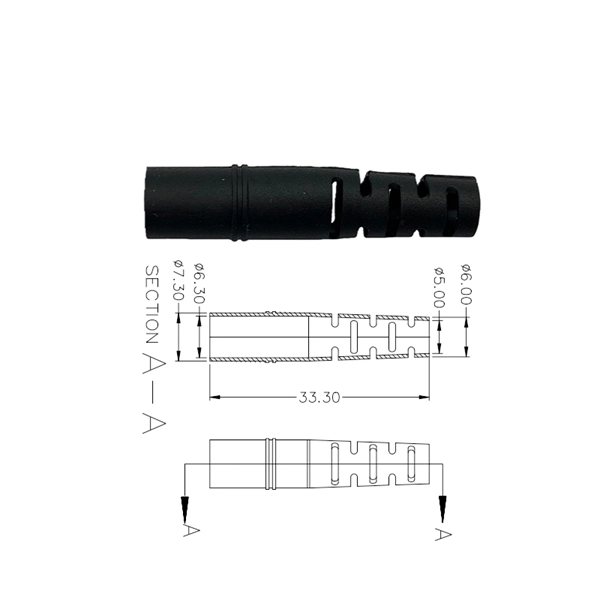
Japan QSFP Optical Module 100G
100 Gb/s FR1/LR1 QSFP28 Optical Transceiver is a small form-factor, high speed, and low power consumption product targeted for use in optical interconnects for data communications applications. The QSFP-100G modules are our latest generation of 100G transceiver modules...
-
Monitoring of Optical Transceiver Modules
Digital Diagnostic Monitoring (DDM), also known as Digital Optical Monitoring (DOM), is a key feature in modern optical transceivers. It allows real-time monitoring of important operational parameters, helping maintain network performance, detect faults early, and simplify...
-
Malta OLT Optical Line Terminal 100G
GP5810-08 OLT is a highly integrated, large-capacity XG (S)-PON OLT for operators, ISPs, enterprises, and campus applications. The product follows the ITU-T G. 988 technical standard, and can be compatible with three modes of G/XG/XGS at the same time. Explore our range of...
[PDF Version]
-
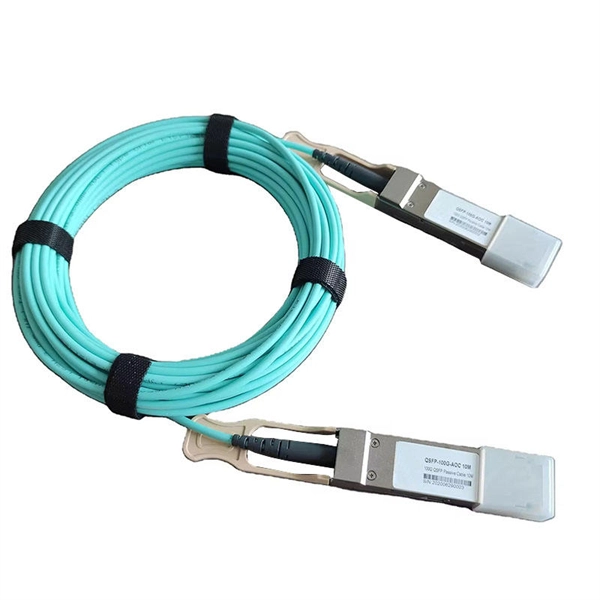
Retail optical receiver 100G
T1-QSFP28-100G-LR4 is based on 100G Ethernet IEEE 802. It converts 4 input channels of 25Gb/s electrical data to 4 LAN-WDM optical signals, and multiplexes them into a single channel for 100Gb/s optical transmission. A 100G transceiver is an optical module transmitting and...
[PDF Version]
-
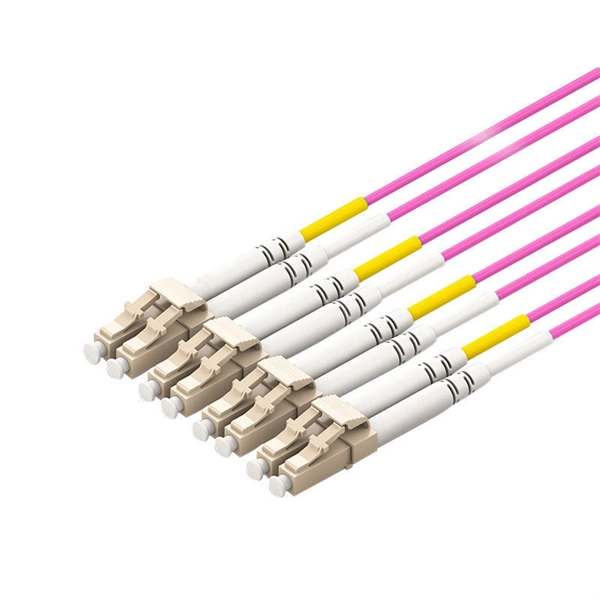
Why do 100G optical modules use wavelength division multiplexing
Both utilize wavelength division multiplexing technology to combine multiple optical signals of different wavelengths onto a single optical fiber, thereby increasing fiber capacity and transmission distance. This technique enables bidirectional communications over a. Based on...
[PDF Version]