
Technical notes
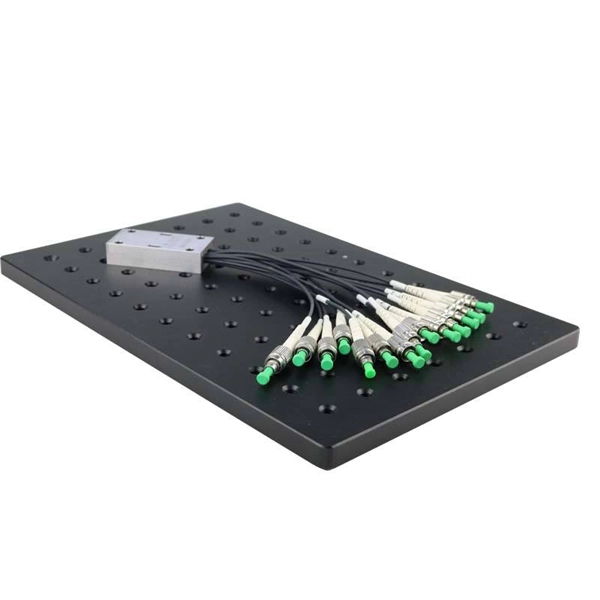
2 Fiber Wire & Cable – Mouser
2 Fiber Wire & Cable are available at Mouser Electronics. Mouser offers inventory, pricing, & datasheets for 2 Fiber Wire & Cable.
2 Fiber Fiber Optic – Mouser
2 Fiber Fiber Optic are available at Mouser Electronics. Mouser offers inventory, pricing, & datasheets for 2 Fiber Fiber Optic.
Fiber Optic Cable | Farnell® Germany
It consists of thin strands of glass or plastic fibres enclosed in an insulated casing, which allows data to be transmitted over long distances with very high bandwidth and minimal interference.
How does fiber optics work?
What is fiber optics? We''re used to the idea of information traveling in different ways. When we speak into a landline telephone, a wire cable carries the
The FOA Reference For Fiber Optics
Topic: Fiber Optic Cable Table of Contents: The FOA Reference Guide To Fiber Optics Fiber Optic Cable Cable Types: (L>R): Zipcord, Distribution, Loose Tube,
Fiber Optic Cable Types: A Complete Guide
The plethora of fiber optic cable types can seem overwhelming, but choosing the right cable for the job is important. Read on to learn what fiber optic
Fiber Optic Cable Types Explained: Choosing the Right Fiber Cable
Explore different types of fiber optic cables, from single mode to armored and LC uniboot options. Learn how to choose the right fiber jumper for your data center, telecom, or FTTA
Fiber Optics and Types
Fiber optic cables are used for long-distance and high-performance data networking. They are capable of transmitting data over longer distances and at higher bandwidths (data rates) than
Fiber Optic Cable Buying Guide
Fiber Optic Cable Buying Guide Understand how to choose fiber optic cable by comparing single‑mode vs. multimode, network speed and distance needs, cable jackets/fire ratings, connectors, cost and
Basics of Fiber Optics
Lower loss: Optical fiber has lower attenuation (loss of signal intensity) than copper conductors, allowing longer cable runs and fewer repeaters. No sparks or shorts: Fiber optics do not emit sparks or cause
Fibre Optic Cable
Fibre Optic Cable Fibre optic cable, also known as ''optical fibre cable'' is a technology that uses thin strands of glass or plastic to transmit data, including text, sound, and images, in the form of light
Fiber Optic Cable Types – Multimode and Single Mode
Fiber Optic Cable Types – Multimode and Single Mode Application Fiber Optic connectors and cables are present in nearly every communications
Fibre Optic Cable
View Eland Cables'' range of singlemode and multimode fibre optic cables - loose tube and tight buffered. Technical support, fast quote, international logistics and fast delivery.
Fiber Optic Cables Selection Guide: Types, Features, Applications
Fiber optic cables are composed of one or more transparent fibers enclosed in protective coverings and strength members. Fiber optic cables allow signals, such as light, to travel through without
Fiber Optic Cables | Fiber Patch Cables | Patch Cords, Duplex
Fiber Patch Cables, Multimode & Singlemode Duplex Fiber Optic Cables, Secure Order Fiber Patch Cords, Preferred Mil. Edu. Gov. Pricing, Same Day Shipping From CA USA, Verified Reviews
Fiber Optic Cables | Corning
Outdoor fiber optic cables can be strung along telephone poles (aerial), installed inside underground ducts, or buried directly below ground. Cable designs vary
Fiber Optic Cable
Belden''s extensive line of indoor and outdoor cable products is offered in tight buffer and loose tube designs. Armored, burial, and ruggedized designs are suited to a host of industrial environments.
Fiber-optic cable
A fiber-optic cable, also known as an optical-fiber cable, is an assembly similar to an electrical cable but containing one or more optical fibers that are used to carry light.
Related Video Reference
This video was associated with the source search result. Verify technical details against current product documentation and project requirements.