
Acceptance Angle Numerical Aperture And Key Concepts
Search optical fiber, connectivity, cable management and network infrastructure references.
- Acceptance
- Angle
- Numerical
Articles and technical references
9 on this page-
Key Steps in Relay Protection Acceptance
Protection Relay Testing and CommissioningIndividual test programs for each type of protection relay are needed, but the interface used is standard for all.
[PDF Version]
-
How long does the optical cable acceptance process take
The entire process typically takes 2-6 hours for residential installations when an Optical Network Terminal (ONT) is already present, or 4-6 hours if one needs to be installed from scratch. 1: How long does the fiber optic installation process take? A: The duration varies...
-
Connect the cable tray to the tee at a 45-degree angle
The TX bracket allows you to fabricate tee or cross combinations in the ET/ET3/ET5 tray. Simply make the appropriate cuts in the side wall of the tray you are joining a length to, bend down the side wall, and attach a TX bracket either side. Always use 2 splice plates per...
[PDF Version]
-
Network rack placed at an angle
The standard rack angle position is 44 mm behind the door opening. Angle Brackets provide sturdy support for equipment while using 0U of rack space, allowing customers to maximize every inch of their enclosure. Designed for strength and efficiency, these brackets offer a...
[PDF Version]
-
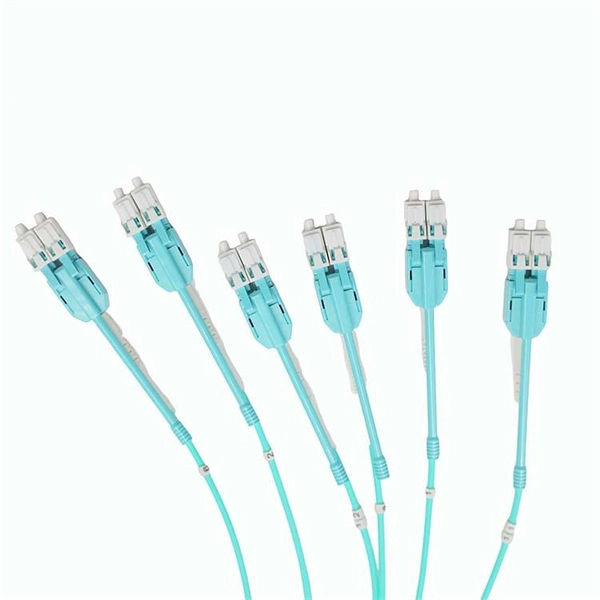
Key Points for Power Fiber Optic Cable Sheathing
Sheathing has three core values for use in fiber optic design: Protect the fiber. Keep ambient or stray light from creating signal noise (for sensor applications). When individual fibers break, light transmission and uniformity. 1 How to Deploy Power over Fiber (PoF)...
[PDF Version]
-
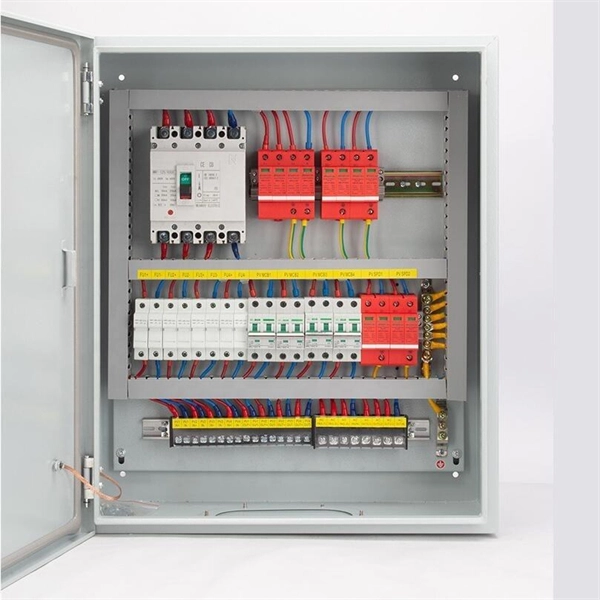
Fireproof sealing acceptance of cable trays in electrical wells
This guide explains the critical steps in fireproof cable trays acceptance, covering coating processes, inspection standards, and more. By following these steps, you can enhance durability and comply with national safety requirements. Route Planning and Layout Principles...
-
Acceptance Standards for Lighting Distribution Boxes
ANSI/NETA ATS-2025 covers suggested field tests and inspections to assess the suitability for initial energization and final acceptance of electrical power equipment and systems. The technical requirements of High And Low Voltage Distribution Cabinets are as follows: 1. All...
[PDF Version]
-
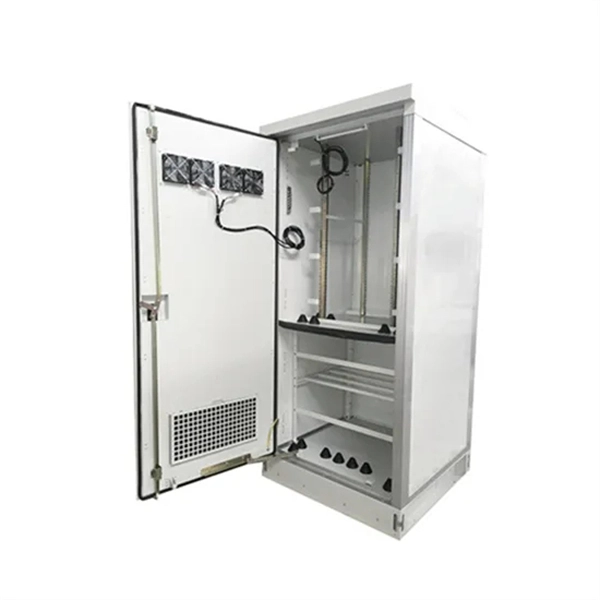
Aperture of Fiber Optic Connectors
Aperture in optical fiber refers to the range of angles at which light can enter the fiber and still effectively propagate through it. Unlike fiber splicing, which is permanent, connectors allow for easy connection and disconnection of cables, making them ideal for...
[PDF Version]
-
Fiber optic connector bonding angle defect
In fiber connectors, for example, particles or defects at the contact point can raise insertion loss, increase reflectance (reduce return loss), and permanently scratch the opposing fiber in a connector. Fusion splicing suffers when cleave angles are excessive. A very common...
[PDF Version]