
Technical notes
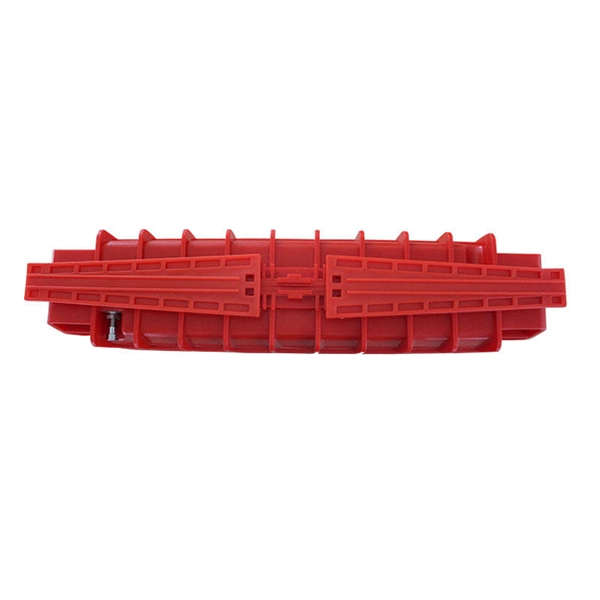
Aluminum Alloy Cable Tray for Corrosion-Resistant
This article explores the design, benefits, installation practices, and real-world applications of aluminum alloy cable trays, providing actionable
Aluminum Cable Tray
Aluminum Cable Tray systems are lighter than steel cable tray and Certified CSA Cable Tray, UL listed, NEMA and certified. Because of their lighter weight aluminum cable trays are easier to install than
CableTray Book English
Fittings in a cable tray system are required to change cable routing direction and to join straight sections and other fittings. This step of the cable tray selection process requires that the specifier chooses
Aluminum Cable Tray | EAE USA
The aluminum cable tray is a lightweight, durable, and cost-effective solution used for organizing and safely carrying electrical and data cables. With easy installation and strong corrosion resistance, it is
Aluminium Cable Trays | EAE Electric
The aluminum cable tray is a lightweight, durable, and cost-effective solution used for organizing and safely carrying electrical and data cables. With easy installation and strong corrosion resistance, it is
Cable Tray Technical Guide A practical guide to product selection and
What is a cable tray ? ABB offers a number of different types of cable tray for use in a range of different applications and environments.
Aluminum cable tray
Made from high-quality aluminum alloy, these trays are lightweight, corrosion-resistant, and suitable for both indoor and outdoor environments. Depending on
Aluminum Cable Tray
Our aluminum material has high toughness and can be designed into various shapes and angles of aluminum cable trays, including 90° internal vertical pipes,
Aluminum Cable Tray
Aluminum cable tray types Aluminum is a lightweight and widely used type to be made into various cable tray types. Almost all types of cable trays can be made
Aluminum Cable Tray Specifications | PDF | Mechanical Engineering
The document provides detailed specifications for aluminum cable trays, including features, accessories, material compliance, and load ratings. It outlines various applications in commercial and industrial
Type of Cable Tray Introduction Cable Tray Materials Electrical
Cable Tray Materials: Most cable tray systems are fabricated from a corrosion-resistant metal (low-carbon steel, stainless steel or an aluminium alloy) or from a metal with a corrosion-resistant finish
Cable tray
Common cable trays are made of galvanized steel, stainless steel, aluminum, or glass-fiber reinforced plastic. The material for a given application is chosen based on where it will be used. Galvanized
Cable Tray and its types & Sizes
A cable tray is a type of a containment used to support insulated electrical cables used for power distribution, control, and communication.
CABLE TRAY SYSTEMS GUIDE
Aluminum Ladder System SPAN/LOAD CLASS DESIGNATIONS Commonly called the Load Class, this defines the load-carrying capability of the tray for a specific support span distance. The design and
CableTray Book English
T&B channel tray systems are fabricated from a corrosion-resistant metal (low-carbon steel, stainless steel or an aluminum alloy) or from a metal with a corrosion-resistant finish (zinc or epoxy). The
Aluminum Alloy Cable Tray for Corrosion-Resistant Systems
Discover aluminum alloy cable trays that are lightweight, corrosion-resistant, and optimize heat dissipation for safe, long-lasting cable management.
What is Aluminium alloy Cable Tray?
Where Does Aluminium alloy Cable Tray install? 1.What is Aluminium alloy? Aluminum alloy is a waterproof type of metal alloy that is composed primarily of aluminum, along with small amoun
Cable tray
Main benefits Extensive product range Available in aluminium or steel Medium duty to ultra heavy duty, to cover all types of installation. Extensive selection of fittings, covers and accessories Reliable:
Related Video Reference
This video was associated with the source search result. Verify technical details against current product documentation and project requirements.