
Analysis Of Some Common Methods For Transient Modeling Of
Search optical fiber, connectivity, cable management and network infrastructure references.
- Analysis
- Some
- Common
Articles and technical references
10 on this page-
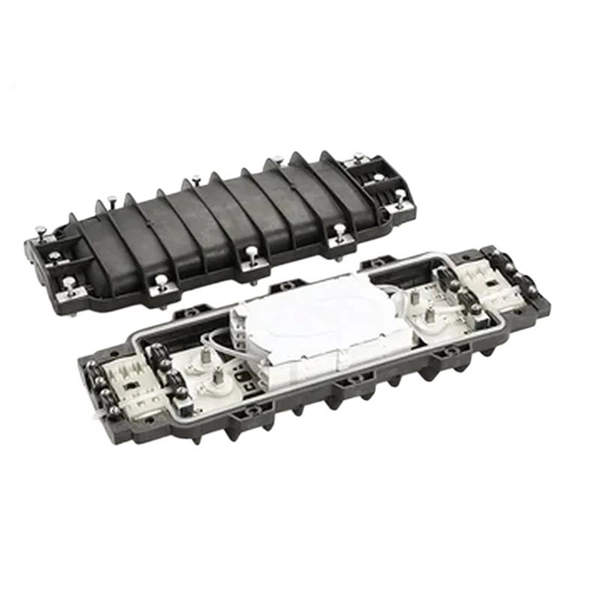
Practical Methods for Installing Junction Boxes
Looking for a clear and practical guide to electrical junction box installation? In this video, we showcase real on-site construction photos, step-by-step installation processes, and essential tips for safe wiring and plumbing coordination. Whether you're involved in home...
[PDF Version]
-
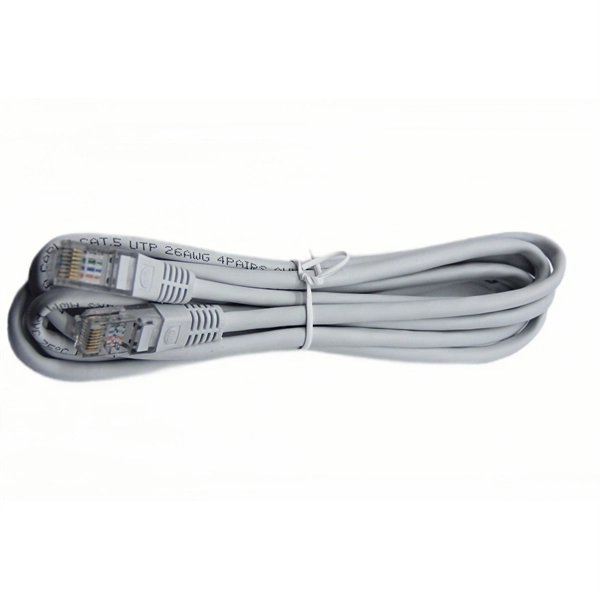
Fiber Optic and Cable Terminal Connection Methods
This article compares connector terminations, mechanical splicing, and fusion splicing, explaining when each technique is preferred in 2024 deployments. Unlike fiber splicing, which is permanent, connectors allow for easy connection and disconnection of cables, making them...
[PDF Version]
-
Methods for connecting mesh cable trays to steel
The answer: use the right connection accessories for a secure, aligned and continuous cable support system. In most cases, sections of wire mesh baskets or electrical cable trays are joined using couplers, bolts, or proprietary connector kits. ystems support and route all...
[PDF Version]
-
Relay Protection Methods for Generators
When the stator neutral is earthed through a resistor, a current transformer is mounted in the neutral to earth connection. Inverse time relay is used across the CT secondary when the generator is connected.
-
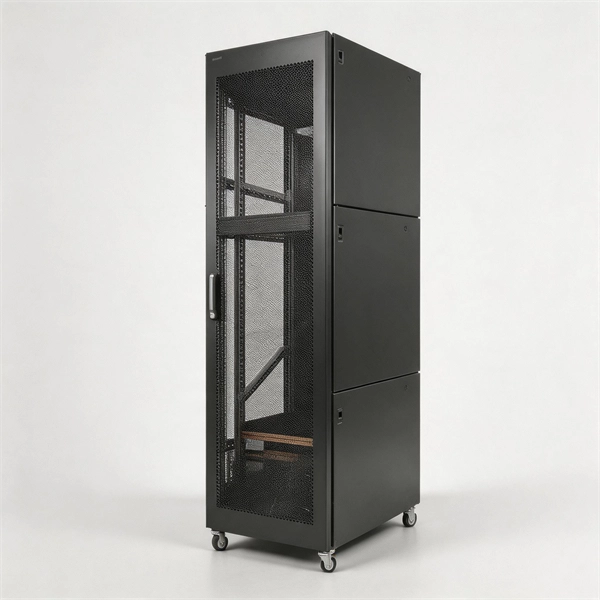
Methods for Laying Optical Cables for Transmission Lines
The routes for laying fiber optic cables may involve ducts, subterranean channels or elevated paths. Installation typically employs two techniques: pulling and blowing. Discover the exact steps, adhere to stringent safety. In the complex world of telecommunications...
[PDF Version]
-
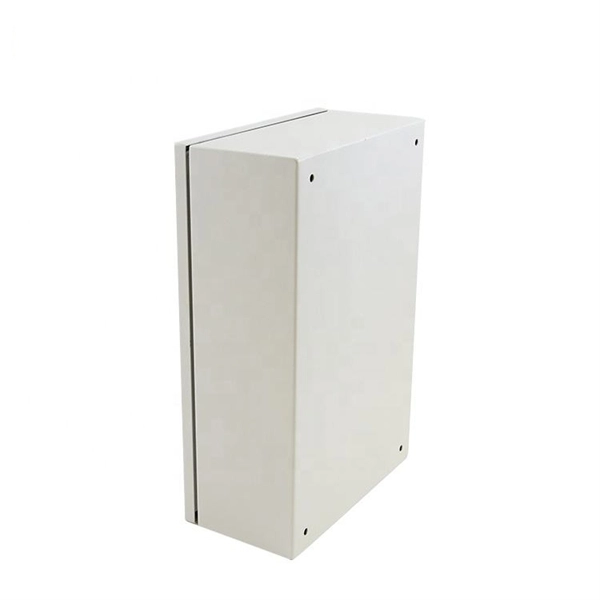
What are the management methods for GPON devices
GPON's control and management mechanisms include three types: Embedded OAM, PLOAM (Physical Layer OAM), and OMCI (ONU Management and Control Interface), as shown in the figure. There are no specific requirements for this document. This document is not restricted to specific...
[PDF Version]
-
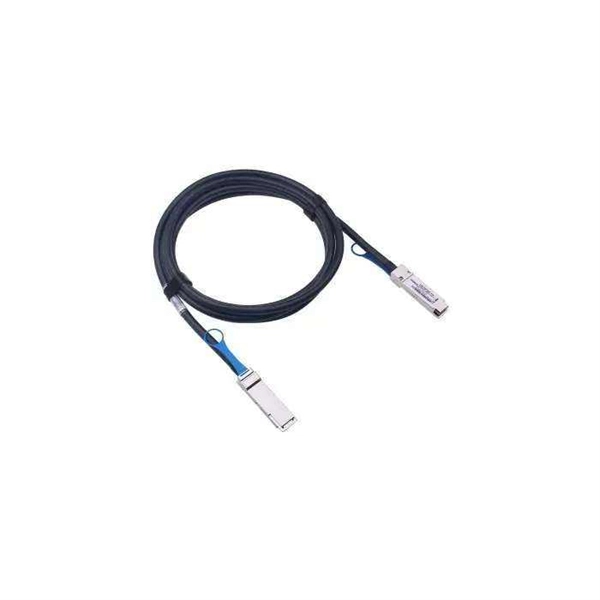
Analysis of the disadvantages of fiber optic cable laying
Laying fibre-optic cables is complex, requiring careful planning, precision, and attention to various technical, regulatory and environmental factors. Fibre technology also presents inherent challenges, as the cables tend to be fragile, and signals lose integrity over long...
-
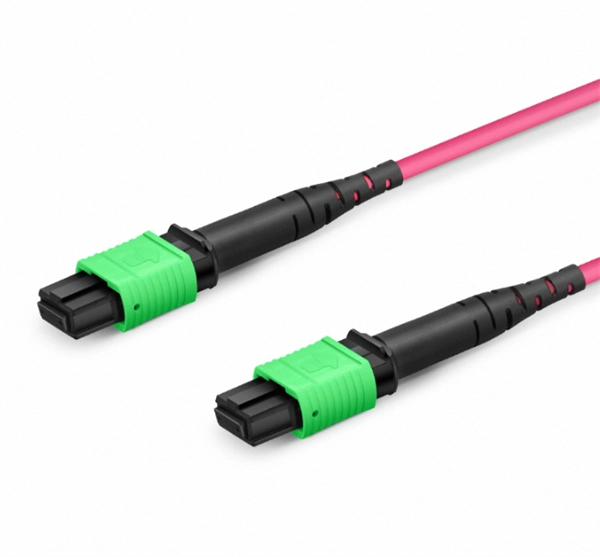
Analysis of the disadvantages of traditional cable trays
Of course, everything has its cons, and that includes cable trays. They can be expensive to install, especially if they need to be custom-made. This brings us back to the discussion of. Advantages and disadvantages of using cable tray: easy installation, ventilation...
[PDF Version]
-
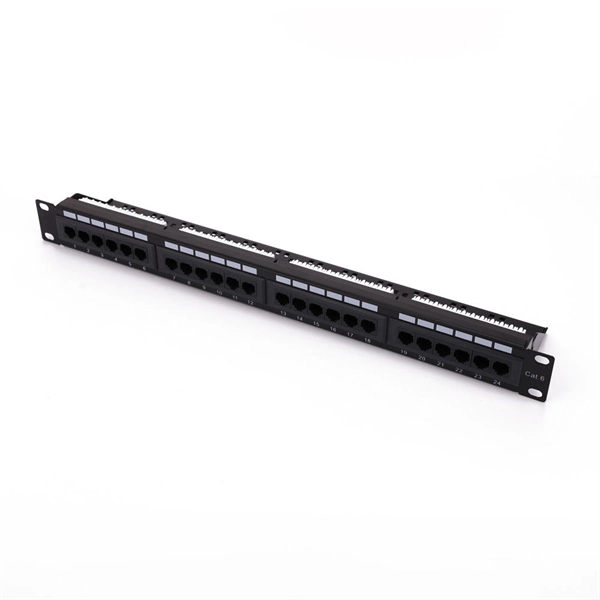
Methods for laying communication optical cable lines
Different environments demand different fiber optic cable installation methods: aerial cables strung on poles, direct-buried cables placed underground, submarine cables laid underwater, and indoor or outdoor cables used in specific settings. Usually, in ordinary soil and hard...
[PDF Version]
-
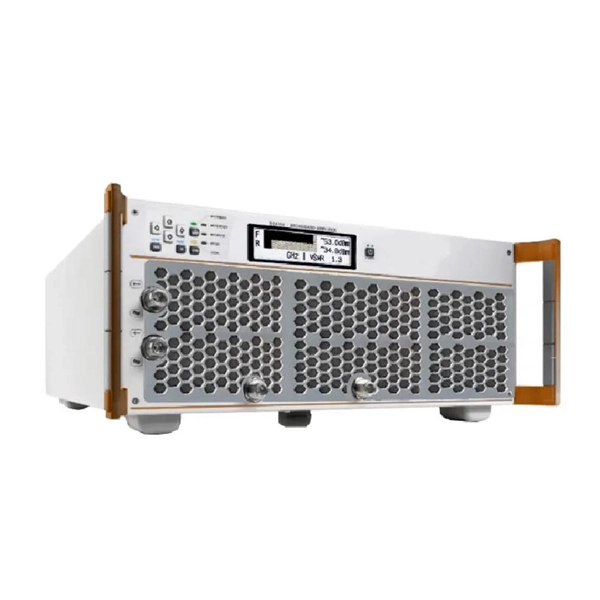
Connection methods for cable tray horizontal and vertical frames
Splice Plates: Connect straight sections of tray together securely. Drop-Outs: Allow cables to exit the tray vertically to connect to equipment below. This is the role of the cable tray system—a structured framework designed to support and organize insulated electrical...
[PDF Version]