
Technical notes
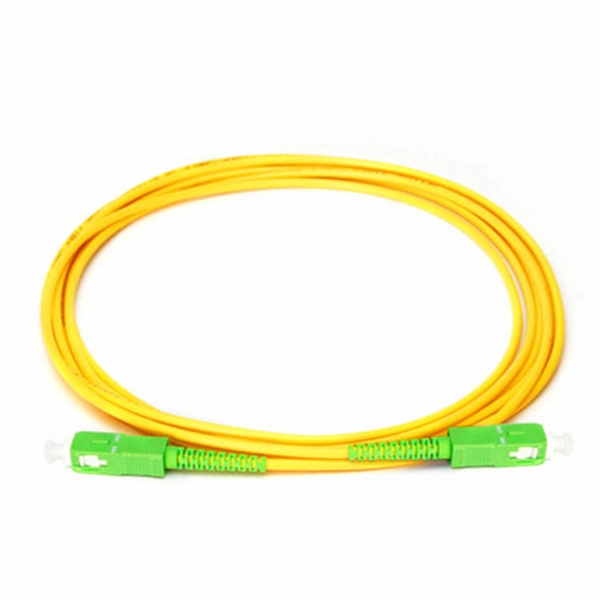
NOYAFA NF-8508 Multi Network Cable Tester RJ45, Fiber
NOYAFA NF-8508 is an optical wire meter tracer designed for use in network and cable testing applications. This device is used to trace and identify optical fibers within a network or cabling
Deep learning for automated crack quantification with distributed fiber
The proposed model specifically resolves the challenges of overlapping strain peaks and low signal-to-noise ratios (SNR) and provides an output of cable structural parameters to facilitate
(PDF) Design of an automatic system for monitoring the technical
This study examines the process of monitoring the technical condition of fiber-optic cables based on the recording and analysis of changes in the pixel structure of the optical spot
Review Measurement of cable forces for automated monitoring of
Measurement of cable forces by using point and distributed fiber optic sensors is reviewed. Fiber optic sensors measure the cable force along cable length in construction and operation.
VisiFault™ Visual Fault Locator
Product Highlights Visual fault locator cable continuity tester locates fibers, finds faults, verifies continuity and polarity.
Underground Fiber Optic Cable Detection with K-DAS
One of the notable features of the K-DAS technology is its ability to differentiate between the target cable and neighboring fiber optic infrastructure
FiberLert™ Live Fiber Detector
Because its detector operates without contact, FiberLert reduces the risk of contamination and damage, so it can also safely verify
Fiber Cable Monitoring System, Fiber Network Management | GLSUN
GLSUN''s fiber cable monitoring system combines with OTDR, optical switches and network management software to form a speedy and intelligent integrating functions of testing, analysis,
DAITTO DAS: Turning Fiber Optic Cables into Intelligent
DAITTO DAS (Distributed Acoustic Sensing) transforms existing optical fiber into a powerful sensing network capable of detecting, locating, and analyzing events in real time — without
Distributed Fiber Optic Sensing | OptaSense
OptaSense is a global leader in distributed fiber optic sensing (DFOS), providing advanced monitoring solutions that transform standard fiber optic cables into intelligent sensing networks. Our technology
What is Fiber Optic Sensing?
What is Fiber Optic Sensing? Fiber optic sensing uses the physical properties of light as it travels along a fiber to detect changes in temperature, strain, vibration (acoustics) and other parameters. Fiber
Using AI and automation to protect optical networks
Fortunately, work crews and cable-chewing animals leave optical signatures that we can detect. With help from AI, we can determine the nature
Paper Title (use style: paper title)
Abstract— To the best of our knowledge, we present the first underground fiber cable position detection methods using distributed fiber optic sensing (DFOS) technology.
Machine learning-empowered automatic analysis of distributed fiber
This paper presents a machine learning-empowered approach for automatically analyzing strain data measured from distributed fiber optic sensors for monitoring coincident cracks and
Leveraging Distributed Acoustic Sensing for monitoring vessels using
This study focuses on the automatic detection and localization of vessels near submarine fiber-optic cables using distributed fiber-optic sensing employing a methodology that incorporates
Fiber Optic Sensor
Abstract Fiber optic sensors represent an innovative technology for automated measurement of cable forces which are critical in construction and operation of many civil engineering structures. This paper
ML-based Anomaly Detection in Optical Fiber Monitoring
Abstract Secure and reliable data communication in optical networks is critical for high-speed internet. We propose a data driven approach for the anomaly detection and faults identification in optical
Machine Learning Applications in Optical Fiber Sensing: A
Similarly, machine learning and intelligent interpretation of recorded strain distributions from dispersed fiber optic sensors have been used to automate crack detection, localization,
Related Video Reference
This video was associated with the source search result. Verify technical details against current product documentation and project requirements.