
Avoiding Underground Utilities During Horizontal Directional Drilling
Search optical fiber, connectivity, cable management and network infrastructure references.
- Avoiding
- Underground
- Utilities
Articles and technical references
11 on this page-
Underground fiber optic cable maintenance costs
Typical rates range from $90–$150 per hour for qualified fiber technicians. Some projects bill per span or per foot in addition to hourly labor. Underground systems cost more initially but often save money over their lifetime. The cost to fix a fiber line often hinges on the...
[PDF Version]
-
Coordination of Underground Optical Cable Construction
This guide explains the essential stages of underground fiber optic cable installation, including route design, trenching methods, cable protection strategies, and testing procedures to help ensure long-term performance and minimal maintenance issues. Unlike traditional...
[PDF Version]
-
Underground drilling for communication optical cables
Directional boring is a trenchless method of installing dark fiber optic cable underground along a predetermined bore path.
-
Spacing of cable tray supports in underground parking garage
Support spacing for cable trays must align with the manufacturer's instructions, as outlined in NEC 392. Generally, standard trays require supports every 6 to 10 feet, while heavy-duty, long-span trays can handle distances of up to 20 feet between supports. The spacing...
[PDF Version]
-
Underground fiber optic cables in Western Europe
Submarine internet cables, also referred to as or submarine fiber optic cables, are essential infrastructure that connect different locations and data centers to reliably exchange digital information at a high speeds. They are significant providers of global internet...
-
Cable tray straight and horizontal
Calculate horizontal, vertical, or compound cable tray offsets based on bend angle, offset distance, and available installation space. Far superior to traditional conduit in many applications, cable tray systems offer unparalleled accessibility for maintenance. The spacing...
[PDF Version]
-
Connection methods for cable tray horizontal and vertical frames
Splice Plates: Connect straight sections of tray together securely. Drop-Outs: Allow cables to exit the tray vertically to connect to equipment below. This is the role of the cable tray system—a structured framework designed to support and organize insulated electrical...
[PDF Version]
-
Elevation of horizontal cable trays
Elevations must be determined for either the top or bottom of the tray run. Show fabrication and installation details of cable tray, including plans, elevations, and sections of components and attachments to other construction elements. Designate components and accessories...
[PDF Version]
-
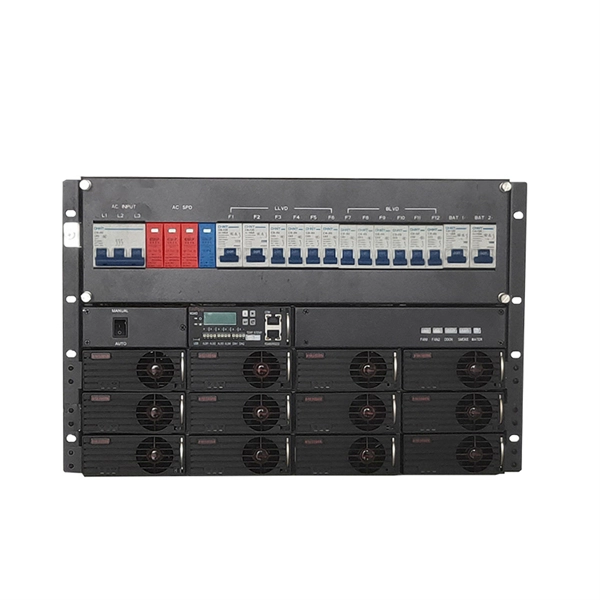
Electrical distribution box cable buried underground
This guide covers direct burial cable types (UF-B, USE-2, TC-ER-DB), NEC Table 300. 5 burial depth requirements, conductor sizing for underground runs, the UF-B vs. What Is Direct. These direct burial cable systems are particularly well-suited for telecommunications...
[PDF Version]
-
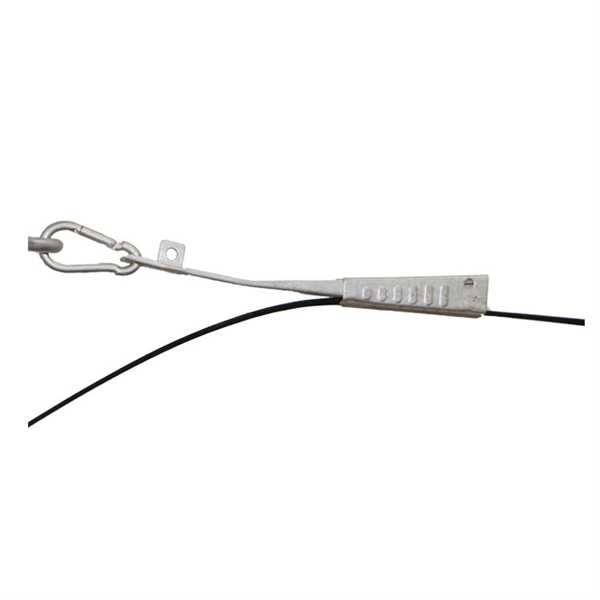
How to perform a directional bending motion on a cable tray
This guide explains how to make 90° bends, vertical bends, tees, and offsets in wire mesh cable trays safely and professionally. Horizontal 90° Bend (Flat Bend) 2. Cross Bend (4-Way. You can buy a manufactured 90 degree bend or make one on a cable tray bending machine but in...
[PDF Version]
-
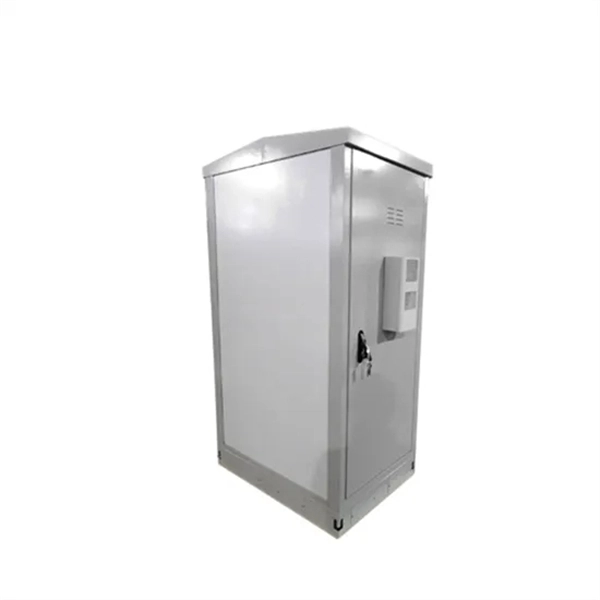
Vertical and horizontal arrangement of distribution boxes
The distribution system can be divided in to: The vertical supply system (rising mains). In most cases a high voltage supply and transformer substation is required. The distribution box is composed of independent single box connected by bolts, and the bottom of the box is...
[PDF Version]