
Technical notes
What are the basic configuration requirements of the three-level
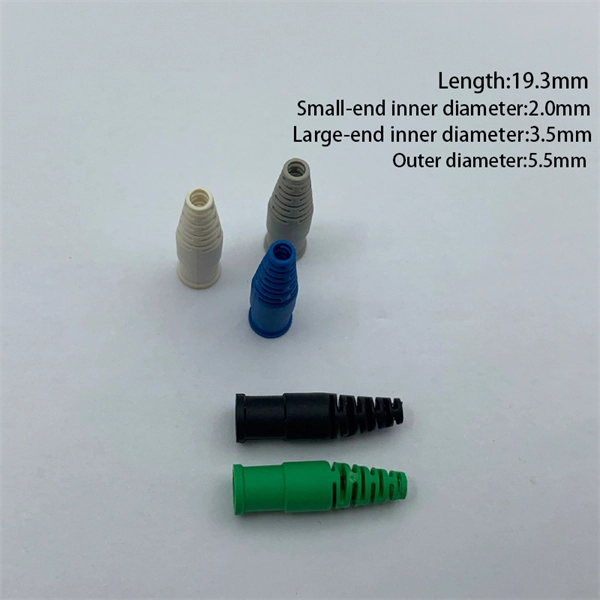
The inlet and outlet of the three-level distribution box should be equipped with fixed line clips, and the inlet and outlet lines should be covered with insulating sheaths and clamped on the box in bundles,
Requirements And Specifications For Installation Of
The installation requirements and specifications of Distribution box involve many aspects, including site selection, fixing method, wiring
Technical requirements for high and low voltage
The components in the box should be installed tightly, the coating should not slip or be damaged, and there should be anti-loosening measures, and the fasteners
Essential Rules for 3-Level Electrical Distribution
Follow key principles: no cross-level wiring, one machine-one switch, ≤30m box spacing, dry/ventilated installation for safe distribution.
Distribution Boards & Consumer Units
The wide range of distribution boards enables each customer to select an individual and economical configuration according to his requirements and satisfaction.
Ultimate Guide To Distribution Boxes Db Boxes Types
This ultimate guide explains what a distribution box does, its internal components, common types, real-world applications, and how to select the right DB Box for
Distribution Box Guide: Types, Components & Solutions
Understand distribution boxes (DB boxes) in 5 minutes. Learn about types, components, functions, and uses. Find the perfect DB box for your needs.
IEC Standard for Power Distribution Board Design and
Designing a power distribution board that complies with IEC Standards is essential for safety, reliability, and operational efficiency. Whether you are
The difference between the first,second,and third levels of
As for the equipment inside, there are certain differences: the first level distribution cabinet generally has isolation switches, circuit breakers, leakage protectors, etc., the second level
Design requirements and standards for low voltage
Regularly inspect and maintain your distribution box to catch issues early and ensure safe operation. Design requirements for low voltage distribution
Requirements And Specifications For Installation Of
In flammable and explosive environments, explosion-proof distribution boxes should be selected and explosion-proof treatment should be carried out.
The Meaning and Function of Primary, Secondary, and Tertiary
Forms part of the three-level protection system. Features inner and outer doors, powder-coated exteriors, and rainproof tops for outdoor use. Tertiary Distribution Box: The system includes a
Safety requirements of distribution box
The distribution box has the characteristics of small size, simple installation, special technical performance, fixed location, unique configuration function, not limited
Installation requirements for distribution boxes
Installation of closed or explosion-proof electrical facilities; distribution box electrical components, meters, switches and lines should be arranged neatly, firmly installed, easy to operate.
Detailed introduction of safety requirements for distribution box
Safety control requirements for distribution box: 1. The low-voltage power supply system at the construction site shall be equipped with a general distribution box, a distribution box and a
Quality Control for Installation and Construction of Electrical Riser
Master the key quality control methods for electrical riser & distribution box installation. Ensure safety, compliance, and prevent hazards in building electrical systems.
Circuit Breaker Wiring Configurations in Distribution Boxes
Introduction Correct circuit breaker wiring configurations are the foundation for the safety, reliability, and overall performance of any electrical distribution system. In a distribution box, the way
Cautions and Requirements for Installation of
Distribution box is a low-voltage distribution device which assembles switchgear, measuring instruments, protective appliances and auxiliary equipment in a
Related Video Reference
This video was associated with the source search result. Verify technical details against current product documentation and project requirements.