
Technical notes
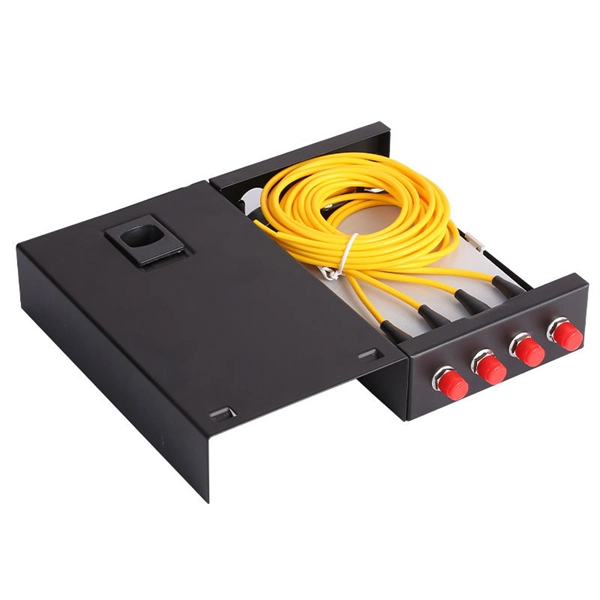
Requirements And Specifications For Installation Of Distribution Boxes
The installation requirements and specifications of Distribution box involve many aspects, including site selection, fixing method, wiring specifications and safety protection.
Electrical safety on construction sites
Revised guidance aligned to the health and safety when handling electrical devices on construction sites.
Requirements for distribution box at construction site
The electrical appliances in the box shall be installed on metal or other insulating plates and fastened in the box. The metal base plate shall be electrically connected with the box body.
Construction Site Power Connection
Flexible, construction-site-rated cables with sufficient cross-section reduce voltage drop and thermal loading. CEE plug systems for three-phase power and robust 230 V sockets must be
Electrical Installations at Construction Sites
A construction site has special electrical requirements. Not every electrical firm will provide such services since there are special standards to uphold and legal
Electrical
Electrical hazards are addressed in specific standards for the construction industry. For additional information on general industry regulations, see the general industry regulations section.
Top Necessities For Proper Construction Site Power Distribution
Learn the top necessities for proper construction site power distribution, ensuring safety and compliance with NEC standards. Keep your job site safe.
Key Points Of Installation And Collocation Of Distribution Box In
The power distribution system at the construction site shall be distributed in different levels. The main distribution box (or distribution room) shall be set up.
Electricity in construction
Electricity in construction HSE and other organisations have produced guidance on electrical safety that is suitable for a wide range of industries and technical competencies.
Power supply on the construction site
A site power distribution board is usually an electrical distribution box equipped with various sockets to provide power for different equipment and machinery. A construction power distribution box may also
ConstruCtion site eleCtriCAl instAllAtions
ConstruCtion site eleCtriCAl instAllAtions the role of the CDm regulations in ensuring electrical safety on construction sites.
Electrical safety on construction sites
Details It explains what to do to reduce the risk of accidents involving electricity. It includes advice on safe working practices for everyone who controls or influences the design, specification, selection,
Everything You Need to Know About Temporary Power
Portable construction boxes give you the immediate, consistent electricity you need to provide essential services at all times. Since power
Temporary Power Construction Site Guide: Industrial
Discover how to supply temporary power safely on construction sites using E-abel distribution boxes, industrial plug sockets, and IP67 connectors for
Basic Electrical Requirements
BASIC ELECTRICAL REQUIREMENTS General Scope Prepare the project''s electrical design and associated contract documents in accordance with these Design Guidelines, in accordance with the
WALTHER-WERKE: Construction site power distributors
Full range of construction site power distributors The full range comprises connection cabinets, connection distributors, main and group distributors, distributor and terminal distributor cabinets. The
Temporary Construction Power Box Guide: Portable Distribution
Learn how temporary power boxes work on construction sites. Discover how E-abel portable distribution cabinets and IP67 waterproof connectors ensure safe and reliable job site
1926.405
Metal raceways, cable armor, and other metal enclosures for conductors shall be metallically joined together into a continuous electric conductor and shall be so connected to all boxes, fittings, and