
Technical notes
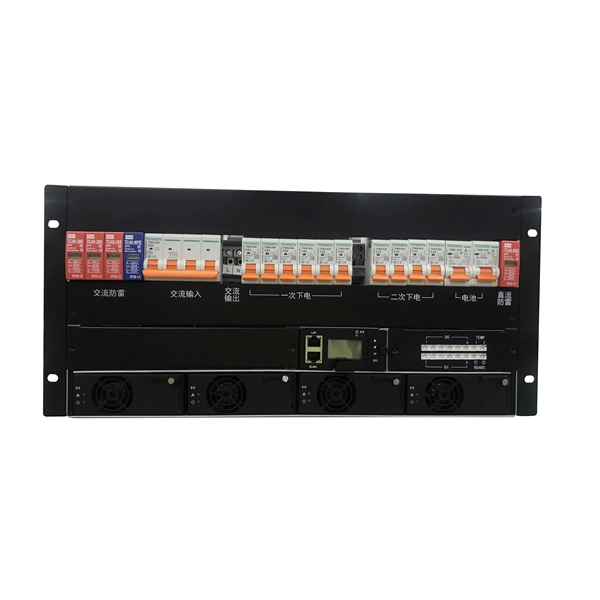
Requirements And Specifications For Installation Of Distribution Boxes
The installation requirements and specifications of Distribution box involve many aspects, including site selection, fixing method, wiring specifications and safety protection.
How to Install a Distribution Box—A Comprehensive Instruction
Before starting the installation, finding a proper place for putting the distribution box is crucial, because it largely decides the safety and convenience of maintenance. Let''s see what factors
How to Install a Cable Distribution Box Safely and Correctly?
This article provides a detailed overview of the entire process of installing a distribution box, from pre-installation preparation to post-installation maintenance, and summarizes common
Requirements for placing distribution boxes against the wall
Choosing between wall-mounted vs floor-mounted distribution boxes can have a big effect on the safety, economy, and bottom line of your project. This guide helps you compare both choices
Distribution box
In this article, you will learn everything you need to know about installing, expanding or replacing a distribution box - from the legal basis to practical implementation.
Latest Requirements and Standards for Installing Distribution Boxes
Complete specification guide for outdoor electrical distribution boxes covering NEC Article 312 requirements, NEMA ratings, sizing calculations, and selection criteria for commercial and residential
What are the Installation Requirements for Distribution Boxes
What are the Installation Requirements for Distribution Boxes? What are the Installation Requirements for Distribution Boxes? 1.Distribution box application of non-combustible
"Guidelines for Household Distribution Box Specifications and
This knowledge is crucial, as improper handling can lead to safety hazards. In this article, we will explore the specifications for household distribution boxes and provide guidance on how to install them
Distribution Box and Selection Guide: Internal Structure, Components
Learn how to choose a distribution box and understand its internal structure, including MCBs, busbars, neutral bars, earth bars, RCDs, RCBOs, SPDs, enclosure ratings, and wiring layout.
How to Install a Cable Distribution Box Safely and Correctly?
In modern electrical systems, cable distribution boxes (also known as electrical distribution boxes or distribution boxes) play a crucial role as the key hub for managing, distributing,
Distribution switchboards
Distribution switchboards, including the Main LV Switchboard (MLVS), are critical to the dependability of an electrical installation. They must comply with well-defined standards governing
Distribution Box and Selection Guide: Internal Structure, Components
Distribution Box Internal Structure Diagram: MCBs, Busbars, Neutral Bars, and SPDs Explained The internal structure of a distribution box is where many selection and installation errors
Understanding Distribution Boxes: Your Guide to Power
We will review its functions, basic parts, additional parameters that may compromise an efficient system, and how these parameters affect the
Complete Guide For Distribution Boxes Types
Understanding the basic components of distribution boxes helps in selecting the right box for specific applications and ensures proper installation and maintenance. As technology and materials continue
How to Choose a House Distribution Box | CHINT global
A well-chosen distribution box ensures the safety and efficiency of your household electrical system. This article guides you through selecting a distribution box.
Latest Requirements for Distribution Box Installation under the US
When Professional Installation Matters Most While DIY electrical work has its place, distribution box installation isn''t it. Consider these real cases: The Lakehouse Disaster: After saving
Distribution Board Design: Standards, Surge Protection
Early planning of a distribution board''s layout and component selection is essential for long-term system performance. Considering power
Distribution Boards
Distribution boards, often referred to as electrical panels or breaker boxes, serve as the nerve center of any electrical system. Here we explore the crucial parts of a distribution board and gain insights into
Related Video Reference
This video was associated with the source search result. Verify technical details against current product documentation and project requirements.