
Technical notes
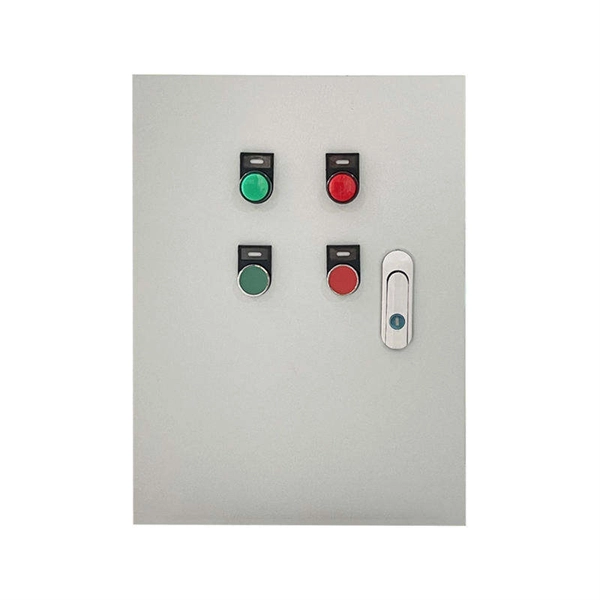
Main switches in accordance with European standard directives
The switch disconnectors of the series SwitchLine, the switch fuses of PowerLine as well as the local safety switches of SafeLine clearly fulfil the requirements of the new European directives.
Application scenarios, precautions and requirements of industrial
Industrial switches should have high reliability and stability, be able to operate stably in harsh industrial environments, and have dustproof, waterproof, shock-resistant, and other characteristics.
What are the purchasing standards for industrial switches
To sum up, when choosing a switch, you need to consider factors such as the number of ports, throughput, forwarding speed, and cache capacity.
International switch safety standards & information
Do you need to know international safety standards for electrical Switches? Omron Components has an easy to read guide with the information you need.
Products and standards in industrial automation
Some specific product standards covering certification of products and components typically used in the industrial automation market are included in the service offerings of the IECEE.
IEC Standards for Instrumentation and Control: Complete Guide
A complete 2025 guide to IEC standards for instrumentation, control systems, safety, Ex zones, communication networks, and calibration. Includes full reference tables.
26 05 00
Equip with an electric linear actuator with linkage or electric motor with chain to operate the quick-make quick-brake mechanism and open or close the switch within 2 seconds.
Guide to implementing Industrial Grade Switches
In this blog post, we will walk you through the key steps and considerations involved in successfully implementing industrial grade switches to ensure seamless connectivity in challenging
International-electrical-standards-regulations
This document compares the basic framework of the standards. Therefore, it is essential for the design engineer to obtain more detailed information by contacting the appropriate standards and building
IEC Electrical Standards for Safe Switches and Sockets
These comprehensive standards cover everything from basic residential applications to sophisticated industrial systems. For distributors looking to build a reliable product portfolio,
Basic OSHA Requirements for a Control Reliable Safety Circuit
Understanding the basic wiring designs of safety circuits is necessary for fulfilling OSHA requirements and meeting the conditions of a specific PL or SIL rating. The Schmersal Group develops and
NEMA Standards Publication
NEMA Standards Publication KS 3 sets forth, for use by qualified personnel1, a number of basic procedures that may be used for the inspection and preventive maintenance of switches used in
Microsoft Word
IEEE Std C37.66-2005, IEEE Standard Requirements for Capacitor Switches for AC Systems (1 kV to 38 kV) C37.74-2014, IEEE Standard Requirements for Subsurface, Vault, and Pad Mounted Load
Industrial Switch: Understanding Industrial Ethernet Switch
How do Industrial Ethernet Switches work? Learn about industrial network switch and Ruggedized Industrial Ethernet Switch solutions. Browse FiberPlex industrial switching products from Patton.
Understanding Industry Standards for Push-Button
These standards define the basic requirements for push button switches, including electrical ratings, mechanical endurance, environmental conditions, and test
UL Standards for Industrial Electrical Controls
Searching for information about UL standards? Our complete guide will inform you of everything you need to know.
Application scenarios, precautions and requirements of industrial switches
3.5 Reasonable cost-effectiveness: On the basis of weighing the price of equipment and long-term operating costs, choose cost-effective industrial switches to reduce the total cost of ownership of the
Electrical standards and approved codes of practice
Listed below are some commonly used electrical standards and approved codes of practice. Additional standards and codes of practice would generally be needed to satisfy a specific application - it is the
Related Video Reference
This video was associated with the source search result. Verify technical details against current product documentation and project requirements.