
Best Practices For Running Network Cables In Office
Search optical fiber, connectivity, cable management and network infrastructure references.
- Best
- Practices
- Running
Articles and technical references
10 on this page-
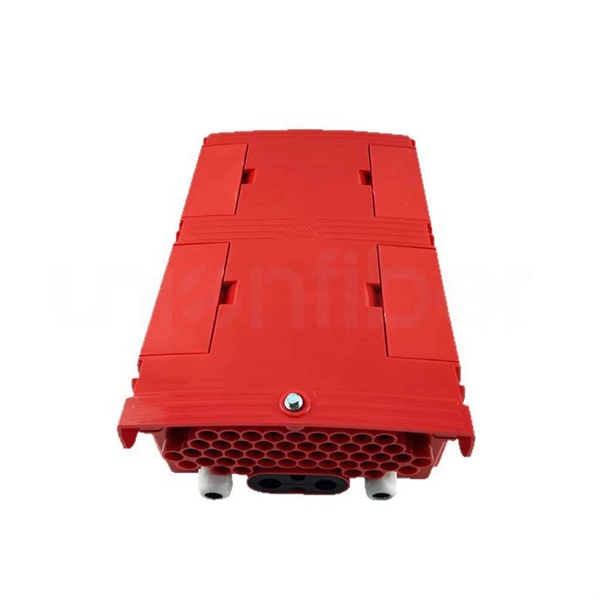
Laying network cables on high-altitude cable trays
This guide covers the critical steps, from selecting the right electrical cable tray and performing accurate cable fill calculations to managing a safe cable pull through and ensuring all bonding and grounding requirements are met. Cable ladder systems and cable tray systems...
[PDF Version]
-
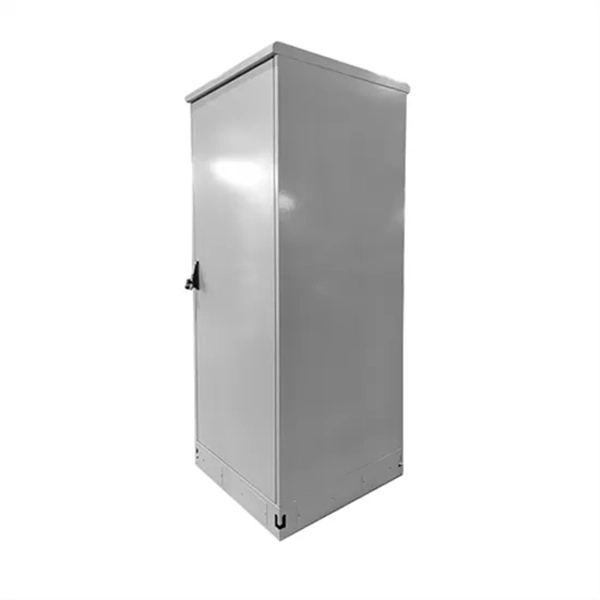
How many optical cables are in the ring network
The ring interface adapts a token passing network of work-stations from coaxial cable to 50 micron core, telecommunications type, fiber optic cable. Each node is connected to two other nodes, forming a ring-like structure. This design ensures data can travel in both...
-
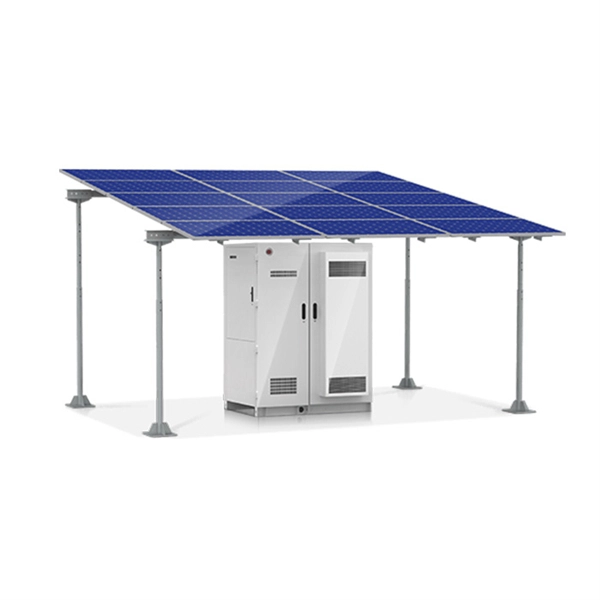
What kind of fiber optic panel is best for wall-mounted fiber optic cables
Wall mount fiber patch panels—often referred to as wall mount fiber distribution boxes or fiber termination units—are compact, wall-mountable enclosures designed to serve as centralized termination points for fiber optic cables. In an era where data speeds and network...
-
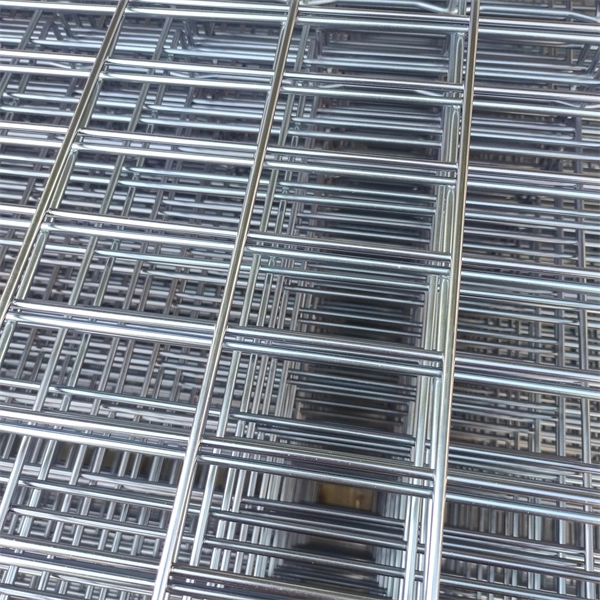
What type of faceplate should be used for fiber optic network cables in the same conduit
A Fiber Optic Socket Wall Outlet, also called a fiber optic faceplate or optical termination outlet, is a mounted interface designed to house and protect fiber optic terminations, such as SC, LC, or ST connectors. It's typically installed on walls to provide a clean endpoint...
[PDF Version]
-
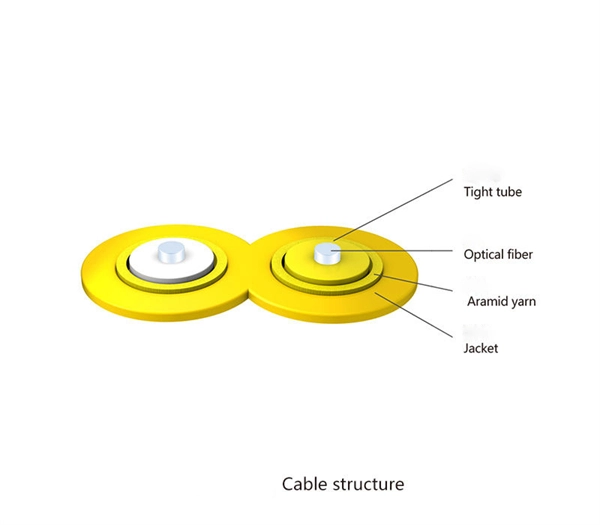
How to solve loose network patch panel cables
If your problem is intermittent or slow data, try releasing (or removing) cable ties on the bundle of cables coming into the patch panel. Cables that are tightly bundled frequently exhibit high levels of crosstalk between them. This. Before testing a patch panel, it is...
[PDF Version]
-
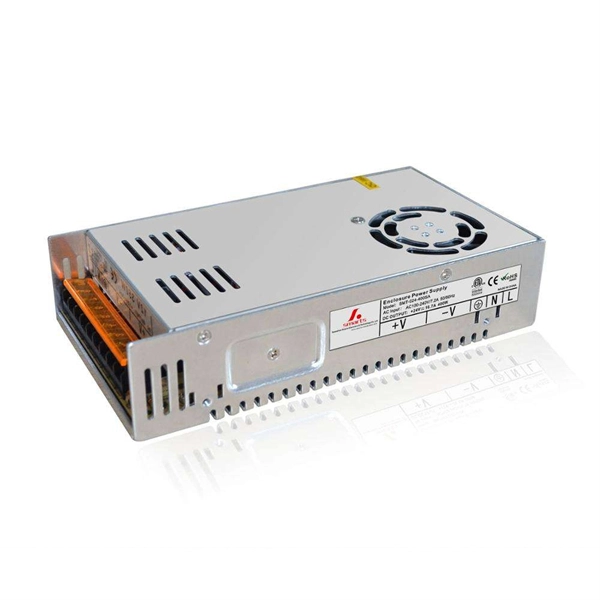
How many meters high is best for communication fiber optic cables
OM1 (up to 300 meters): Suitable for short-range applications, often limited to small office networks. One type of single mode fiber is known as “G. Key single mode distance specifications:. Fiber optic cable can be run anywhere from 300 meters up to 80 kilometers (roughly 50...
-
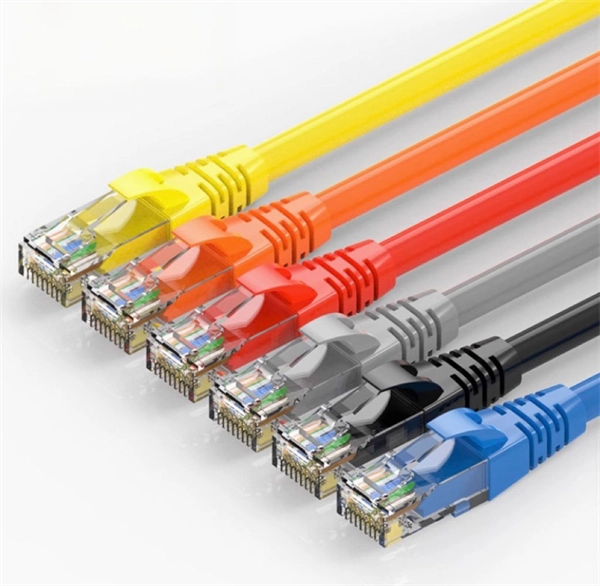
What type of cable tray should be used for fiber optic network cables
Perforated cable trays where support and airflow both matter. Before selecting a cable tray, consider the following key factors: Cable Type and Volume: Determine the number and type of cables to be supported. Environmental Conditions: Assess indoor or outdoor usage, exposure...
[PDF Version]
-
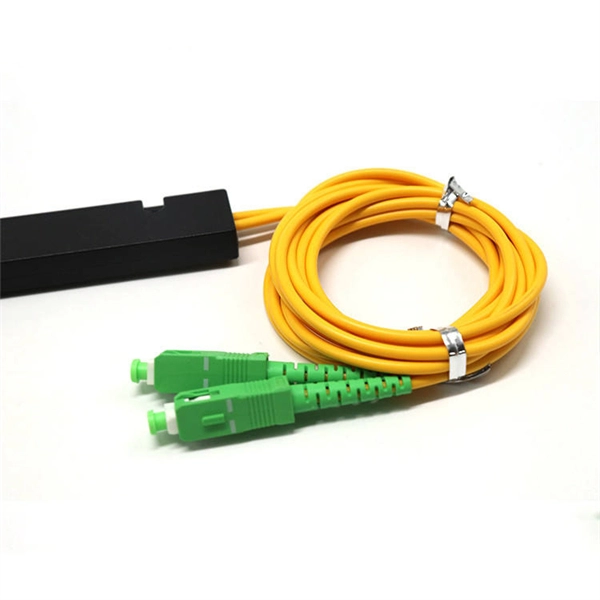
Where do the network cables go into the network cabinet
Network Cabinet Cabling: Guide & Documentation TipsNetwork cabinet cabling describes the structured connection and arrangement of all IT components in a se.
[PDF Version]
-
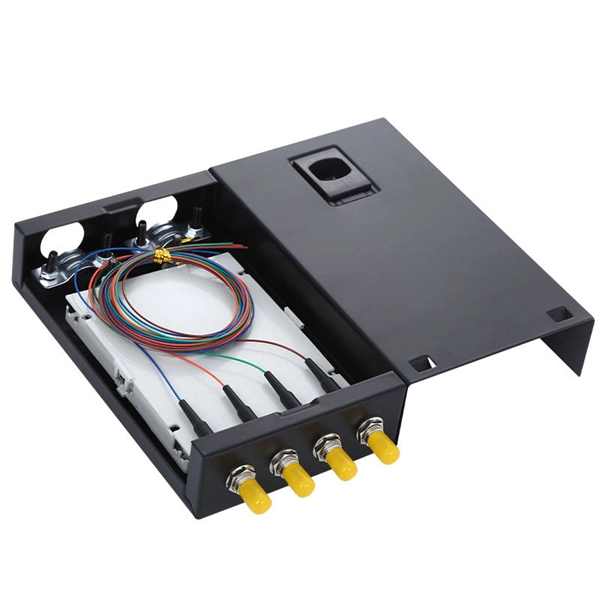
What types of interfaces are there for network cables and fiber optic cables
This section will cover different types of physical interfaces and cabling like copper and fiber optic cables, single-mode and multimode fiber, Ethernet shared media, and point-to-point connections. This guide explains Ethernet categories, PoE, and best practices for...
-
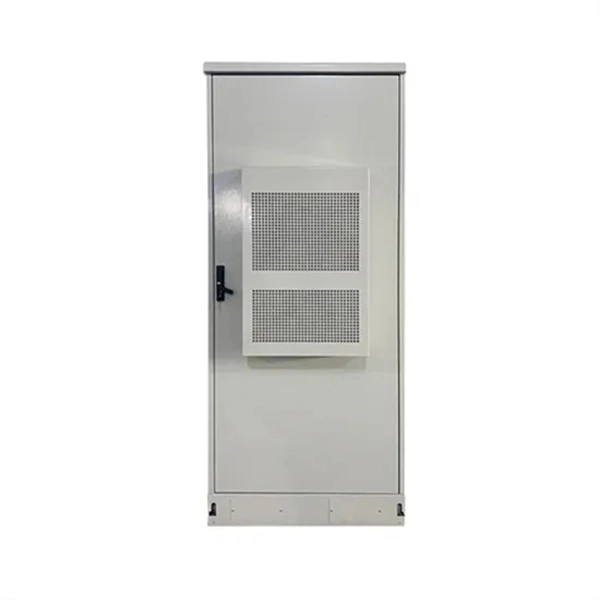
Organizing network cables and fiber optic patch cords in the network cabinet
A cable management rack is designed to route, protect, and organize copper and fiber cables inside network cabinets. Beyond keeping cables tidy, a well-structured cable manager reduces cable stress, improves heat dissipation, and ensures bend-radius compliance for data...