
Bus Protection Considerations For Various Bus Types
Search optical fiber, connectivity, cable management and network infrastructure references.
- Protection
- Considerations
- Various
Articles and technical references
9 on this page-
Bus Low Voltage Protection Settings
Low-voltage bus and switchgear are often protected by current-limiting fuses, sized to the full-load rating when bus and switchgear have bus bracings that are less than the available fault current. Current-limiti.
-
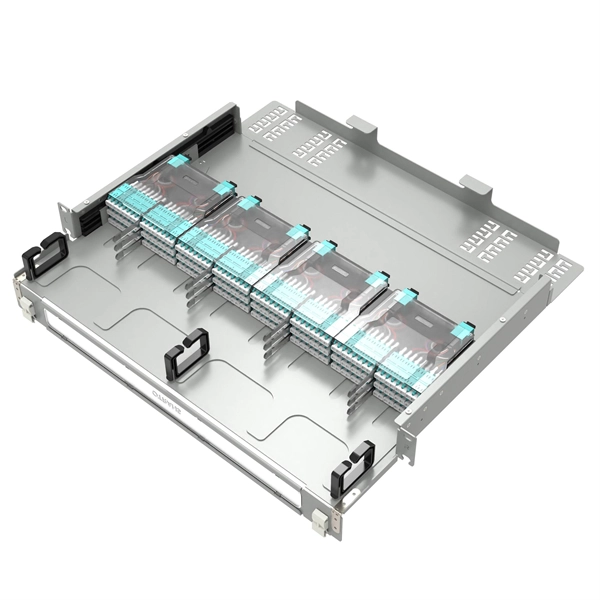
Various types of pigtail fiber
While most pigtails are single-fiber, multi-fiber options exist: Single-fiber: The most common (LC, SC, FC). Multi-fiber: 2, 4, 6, 12, 24, 48, or 72 fibers. Multi-fiber pigtails often come in ribbon format for splicing into high-count cables. 5m to 2m—that has a...
[PDF Version]
-
Functions of various relay protection devices
Protective Relay: Working, Types, and ApplicationsLearn about protective relays, their working principle, types, and applications in power systems. Discove.
[PDF Version]
-
Types of Relay Protection Tripping
Protective Relays: Types, Working Principle & UsesLearn how protective relays detect faults, trip breakers, coordinate protection zones, and protect feeder.
[PDF Version]
-
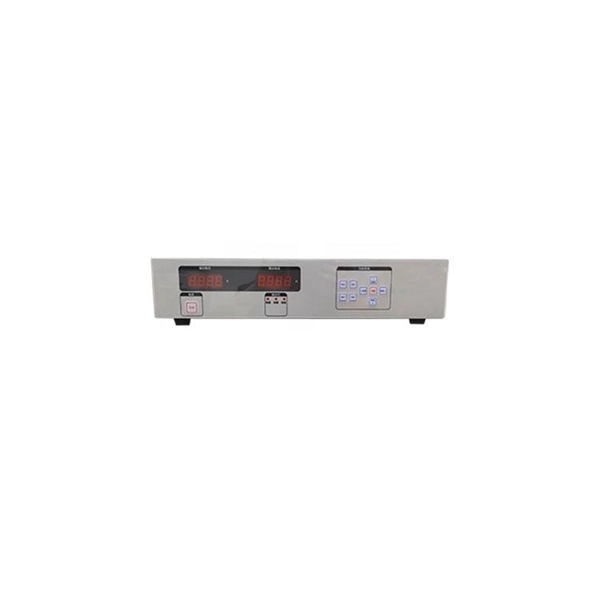
Types of Faults in Distribution Network Relay Protection
Fault Protection: Relays detect faults such as short circuits, overloads, and ground faults, isolating the affected section of the network to prevent cascading failures and minimize downtime. Short circuits are the most frequent and severe type of fault. They occur when an...
[PDF Version]
-
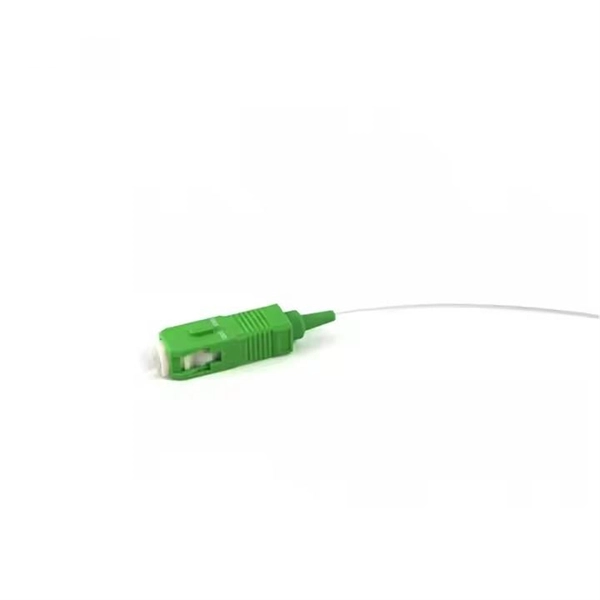
Requirements for Level 3 Protection of Workshop Distribution Boxes
Technical Requirements Maximum discharge capacity: 20kA per phase or lower. Voltage protection level: ≤ 1800V. Level 3 protection is the final barrier of the system, capable of fully eliminating any transient overvoltage that may occur, ensuring the long-term stable operation...
[PDF Version]
-
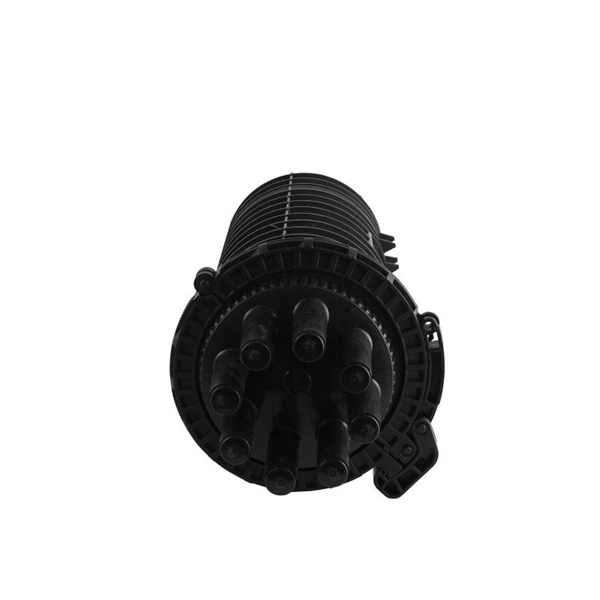
Relay Protection Principles 13
Also principles of various protective relays and schemes including special protection schemes like differential, restricted, directional and distance relays are explained with sketches.
-
Relay protection is basically available in all of them
Distance Relay: Operates based on impedance, commonly used in transmission line protection. Earth Fault Relay: Detects leakage currents to the ground. Frequency Relay: Trips when frequency. Protective Relay Definition: A protective relay is an automatic device that senses...
-
Relay protection technicians can
Relay technicians install, test, and maintain the protective systems that keep electricity flowing safely. This handbook covers the code of practice in protection circuitry including standard lead and device numbers, mode of connections at terminal strips, colour codes in...