
Busbar Differential Protection Scheme
Search optical fiber, connectivity, cable management and network infrastructure references.
- Busbar
- Differential
- Protection
Articles and technical references
8 on this page-
32-connection busbar differential protection
The high-impedance differential relay scheme is one popular method we use for busbar protection. Busbar protection (BBP): Protection intended to detect and operate to clear faults on a busbar. Current Differential Protection: This protection method connects CT secondaries in...
[PDF Version]
-
6kV busbar relay protection settings
This document covers protection policy for the 132, 33 and 11/6. 6kV systems are given in Code of Practice (CP) 373. 6kV (excluding primary. Busbar protection (BBP): Protection intended to detect and operate to clear faults on a busbar. Current Differential Protection: This...
-
Low-voltage side busbar protection
Common methods of protecting busbars include overcurrent-based interlocking schemes, overcurrent-based differential protection, high-impedance differential protection, and percentage differential protection. Teed Protection will be used to cover the blind area between bus...
-
What is small busbar grounding protection
Essentially, a Grounding Busbar, also called a grounding bar or grounding bus, provides a common point for electrical grounding, ensuring that all exposed conductive parts are at the same potential to prevent electric shock and equipment damage. Grounding is one of the most...
[PDF Version]
-
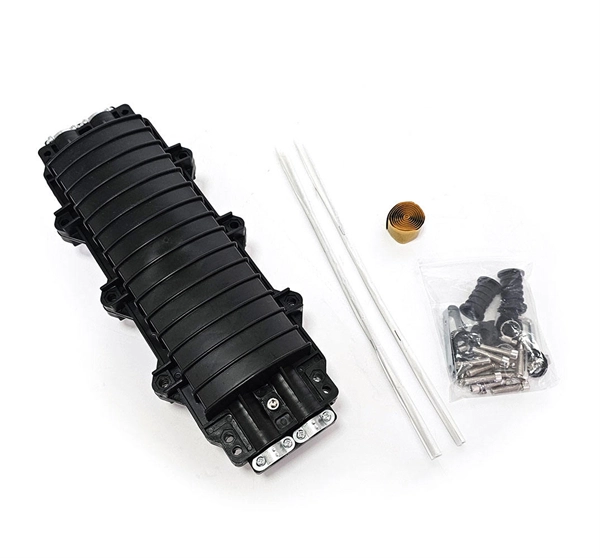
High-voltage double busbar scheme
The double breaker/double bus (DB/DB) scheme is one of the most robust high-voltage substation arrangements used where continuity of service is critical. Presented single line diagrams and layouts are generalized since they depend on the type and voltage (s) of the...
-
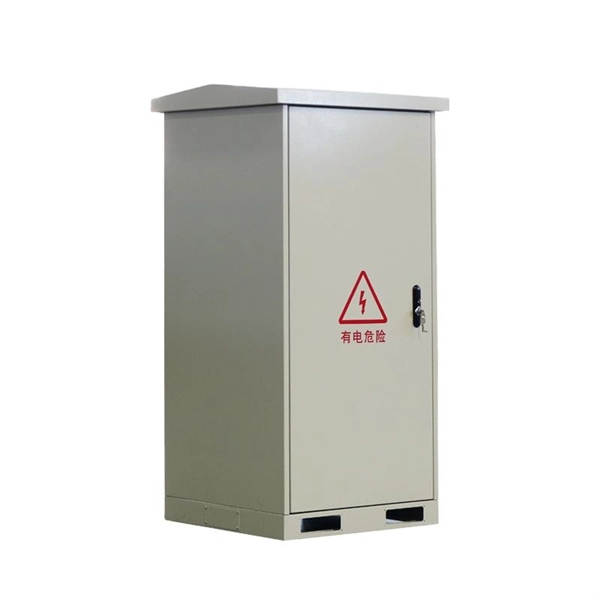
Relay Protection System Installation Scheme
Installing and Maintaining Protective Relay SystemsFacilities need to perform installation tests, implement preventive maintenance programs, and perform co.
[PDF Version]
-
Relay protection differential circuit
Differential protection is a power system relay method that compares current entering and leaving a protected zone. What controls it: CT location, CT polarity, CT ratio, transformer. A Relay is one type of switch used to turn ON or OFF a high current and high voltage-based...
-
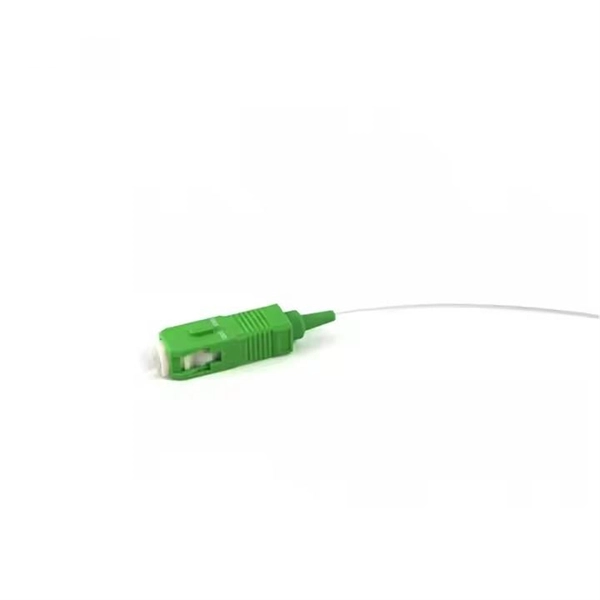
Requirements for Level 3 Protection of Workshop Distribution Boxes
Technical Requirements Maximum discharge capacity: 20kA per phase or lower. Voltage protection level: ≤ 1800V. Level 3 protection is the final barrier of the system, capable of fully eliminating any transient overvoltage that may occur, ensuring the long-term stable operation...
[PDF Version]