
Technical notes
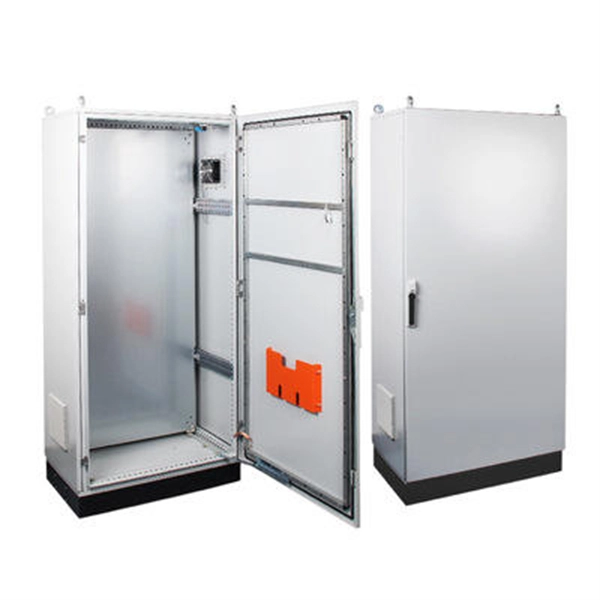
How to organize wiring in control cabinets?
In this article, we explain how to approach control cabinet wiring professionally—from planning and assembly to testing and documentation. Planning Control Cabinet Wiring – The
Control Cabinet – Wiring | WAGO
The most time-consuming step in control cabinet manufacturing is wiring. Using WAGO''s connection technology, you benefit from fast, vibration-proof, maintenance-free connections.
Guide to PLC Cabinets: Types, Layout, Wiring & Components
This guide will walk you through the essential steps to design and wire an efficient PLC control cabinet. We''ll cover key topics like selecting components, cabinet layout, cooling, wiring, and
How to Build a PLC Cabinet: Step-by-Step Wiring Guide
Keep your wiring diagrams, configuration files, and test results organized for fast problem-solving. By following this step-by-step guide, you make sure your plc cabinet delivers reliable
Cabinet assembly and wiring
During the final control cabinet assembly and wiring, it is important to always keep an overview. Digital assistants for the assembly process and wiring relieve the employee.
Automatic Wiring Machines Kablator
Kablator automates the entire process of wire assembly and the routing or connection of wires within the electrical panel. Cutting to length, marking, labelling, crimping and soldering are all fully automated
How to Build a PLC Cabinet: Step-by-Step Industrial Guide
Learn how to build a PLC cabinet step by step with tips on design, components, wiring, cooling, and safety for an efficient industrial PLC cabinet.
Control Panel Assembly: A Complete Guide
Guide to control panel assembly—from design and wiring to testing and installation. Ensure safety, compliance, and efficiency in automation.
Full Process of Electrical Cabinet Production: A Practical Guide from
Electrical cabinet production begins in the sheet metal workshop. This is not just about welding steel plates together, but involves high-precision physical deformation control.
How to Install Under Cabinet Lighting in Your Kitchen
Introduction Add undercabinet lighting to existing kitchen cabinets. This unique method of wiring undercabinet lights eliminates disruptive wall tear
Control Panel Design and Assembly Steps
Details Products are selected to meet the requirements, and designers must create a layout, size the enclosure, and perform many other design steps in an iterative process. Some key
How to Install Kitchen Cabinets
Learn how to install kitchen cabinets using common tools and basic skills. Follow this outline of steps to install new cabinets and make over your kitchen.
How to Install Kitchen Cabinets (DIY) | Family Handyman
Learn how to install kitchen cabinets—base, wall and peninsula—using professional techniques. Installing cabinets is easy
Cabinet Manufacturing Process Overview | PDF | Electrical Wiring
The document details the manufacturing process for cabinet manufacturing including sections on panel structure and dimensions, mechanical construction, doors, cable arrangements, labeling and
Automatic Wiring Machines Kablator
Automatic Wiring Machines. Development of automatic robotic wiring machines for customized and turnkey electrical cabinets and panels.
Reduce Electrical Cabinet Wiring Time: Modular
How to Reduce Wiring Time in Electrical Cabinets Without Sacrificing Safety Introduction Electrical cabinet assembly often consumes a significant
How to Design Electrical Control Panels: A Step-by
Learn the step-by-step process for designing efficient electrical control panels, from understanding requirements to selecting components and ensuring
How to Install Kitchen Cabinets (with Pictures)
Updating your kitchen is one of the best ways to increase the value of your home. Even just changing your kitchen cabinets can completely revitalize
Related Video Reference
This video was associated with the source search result. Verify technical details against current product documentation and project requirements.