
Cable Heat Release Ignition And Spread In Tray Installations
Search optical fiber, connectivity, cable management and network infrastructure references.
- Cable
- Heat
- Release
Articles and technical references
11 on this page-
Porous heat dissipation cable tray
A perforated cable tray addresses these challenges with a simple but effective design: holes evenly distributed along the tray sides and bottom provide excellent airflow and heat dissipation, ensuring that your cables operate efficiently and safely for years. In this guide...
[PDF Version]
-
Requirements for electrical cable trays in heat exchange stations
The International Electrotechnical Commission (IEC) provides detailed guidelines for cable tray systems under IEC 61537. This standard outlines the construction requirements, testing methods, and performance parameters for cable trays and related support systems. he New York...
[PDF Version]
-
Fiber optic cable routing channel bend
The normal recommendation for fiber optic cable is the minimum bend radius under tension during pulling is 20 times the diameter of the cable (d). While installers are aware of the fundamental importance of minimum bend radii, they often lack the practical know-how to. A...
[PDF Version]
-
Trough-type cable tray mesh
Unlike ladder or wire mesh cable trays, trough type cable trays use a fully enclosed structure formed from a single steel sheet, creating a protective channel that shields cables from external interference. Far superior to traditional conduit in many applications, cable tray...
[PDF Version]
-
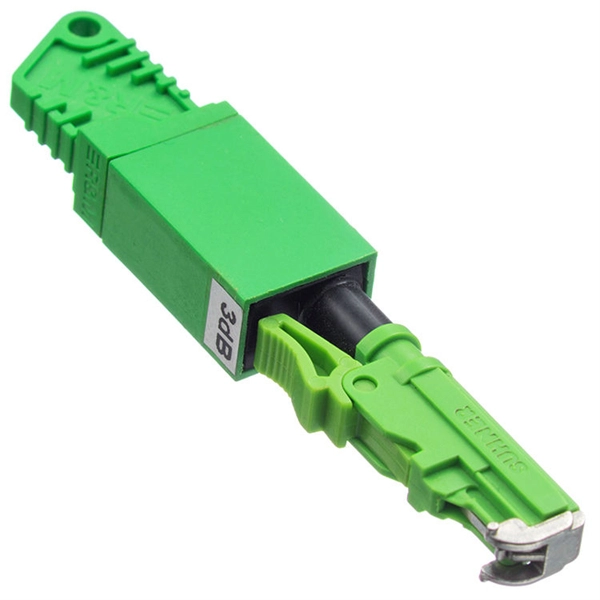
What type of cable tray is a rigid cable tray
Cable trays are mechanical support systems that provide a rigid structural system for electrical cables, raceways, and insulated conductors used for electric power distribution, control, signal instrumentation, and communication. There are several types of cable trays...
-
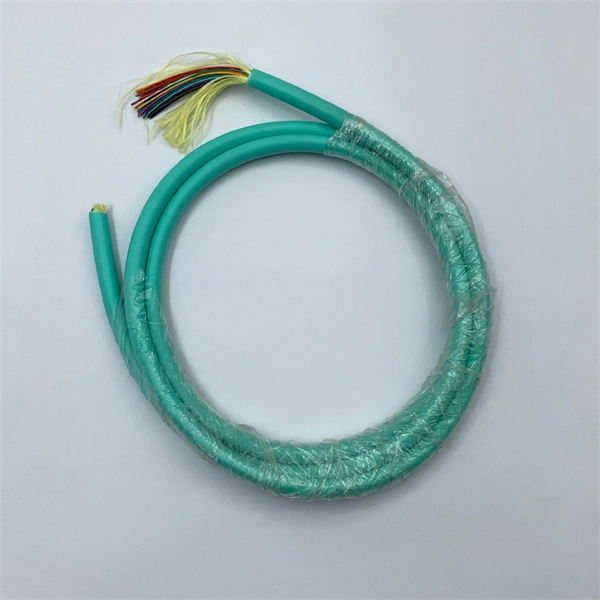
Are cable trays and ladders universally compatible
In most cases cable ladders are the preferred choice, however; cable trays are better suited when aesthetics and radio/electromagnetic interference are important considerations. Cable trays are also useful for protecting sensitive cabling and tubing. Two common solutions are...
[PDF Version]
-
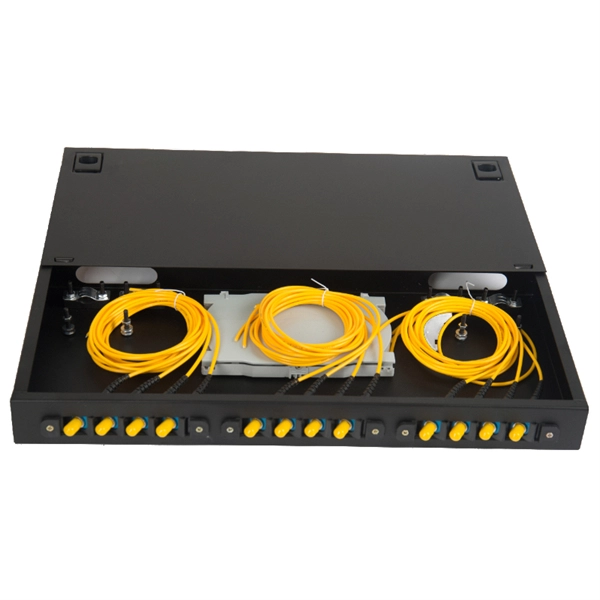
There is no space for cable trays in the stairwell
Answer: The 1996 NEC in sections 318-6 (i) and (j) indicates that there shall be sufficient space maintained around cable trays to allow adequate access for installing and maintaining the cables and that cable trays shall be exposed and accessible. The primary rulebook used...
[PDF Version]
-
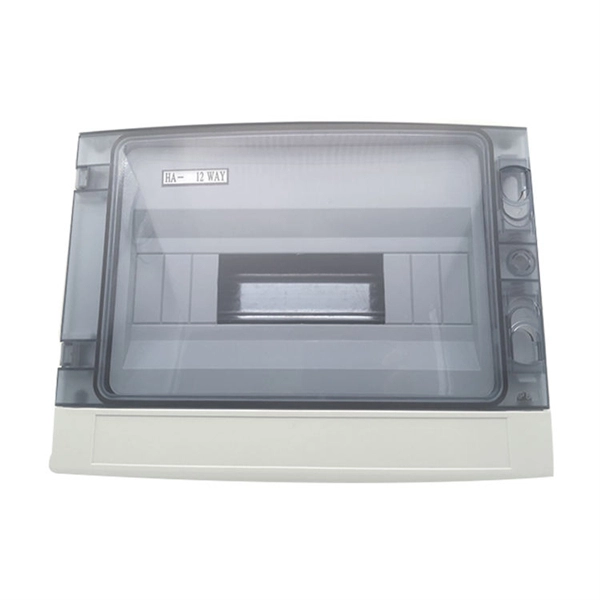
AOC Active Optical Cable 800G Available Now
Industry-leading 800G Active Optical Cables for hyperscale and AI computing clusters. Available in OSFP and QSFP-DD form factors, these cables deliver massive bandwidth density with the simplicity of a plug-and-play assembly. BlueOptics offers premium 800G Active Optical...
-
National Standards for Optical Cable Testing
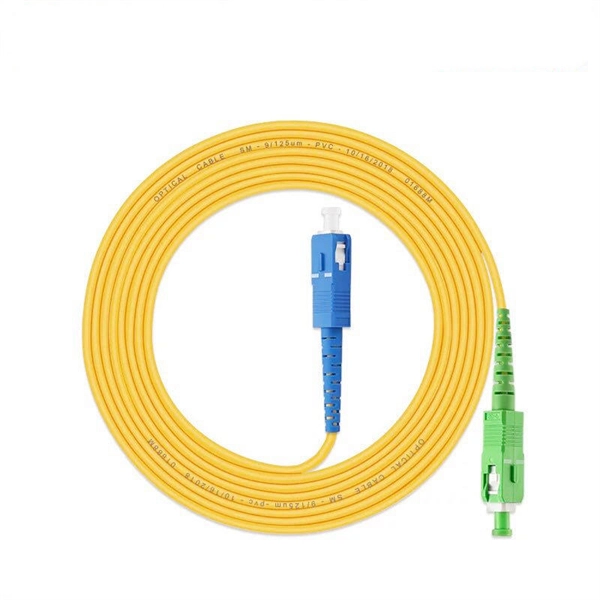
Follow the latest IEC, TIA, and FOA fiber testing standards in 2025 to ensure your network stays reliable and meets legal and insurance requirements. They define a minimum baseline of quality and workmanshi for installing electrical products and systems. NEIS® are intended to...
[PDF Version]
-
Fiber Optic Temperature Analyzer for Cable Channels
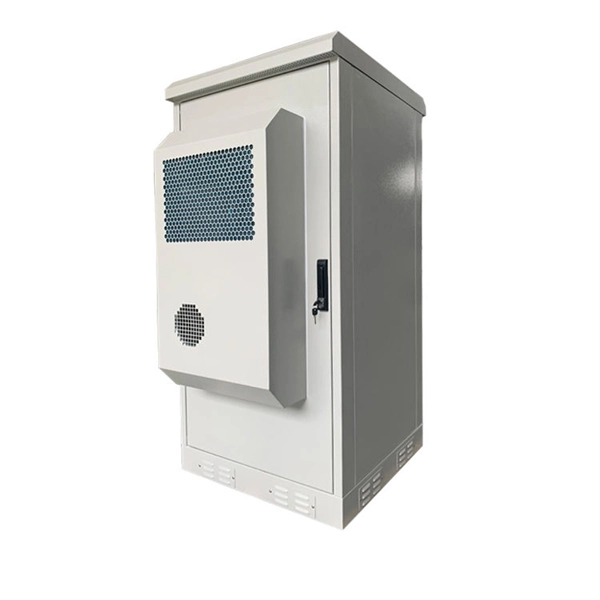
Measure temperature with fiber optic sensors for high-resolution distributed and multipoint monitoring in batteries, processes, and harsh environments.
-
Cable tray small end becomes large
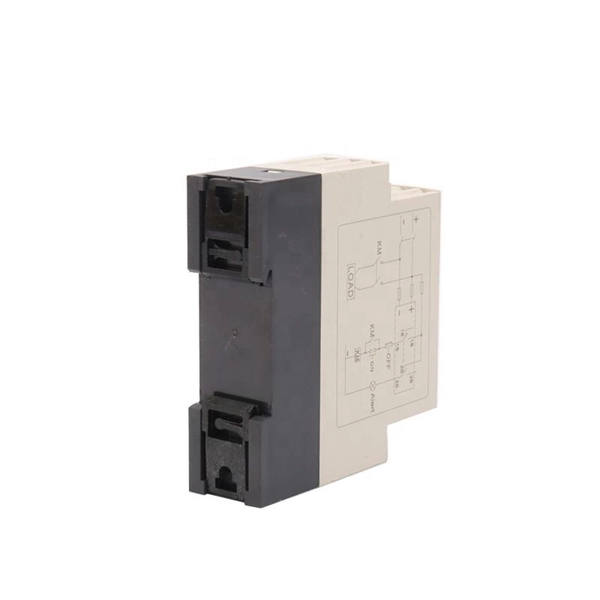
Cable sag results from incorrect spacing of cable tray supports or from employing the incorrect tray type that is, light-duty perforated trays in high-load applications. Complicating the problem are overloaded trays and large unsupported spans. Sagging causes tension at...
[PDF Version]