
Cable Pulling Cable Laying Cable Rollers Cable
Search optical fiber, connectivity, cable management and network infrastructure references.
- Cable
- Pulling
- Laying
Articles and technical references
10 on this page-
Parts for optical fiber cable pulling machines
A complete fiber optic cable pulling jobsite setup requires a Fiber Optic Cable Puller (with foot control and hoses), a capstan, a puller mount, and a hydraulic power source. These components are purchased separately; the options for pullers, capstans, and mounts are listed...
[PDF Version]
-
Main procedures for optical cable laying
The routes for laying fiber optic cables may involve ducts, subterranean channels or elevated paths. Installation typically employs two techniques: pulling and blowing. The objective of this document is to be an optical fibre cable installation and laying guide, addressed to...
[PDF Version]
-
Requirements for fiber optic cable laying along walls
The plan should include equipment and supplies, fiber cable specification, location of equipment, testing requirements, data forms for testing, personnel experience level and assignment, installation methods, identification of potential problem areas, safety issues, etc. The...
[PDF Version]
-
Analysis of the disadvantages of fiber optic cable laying
Laying fibre-optic cables is complex, requiring careful planning, precision, and attention to various technical, regulatory and environmental factors. Fibre technology also presents inherent challenges, as the cables tend to be fragile, and signals lose integrity over long...
-
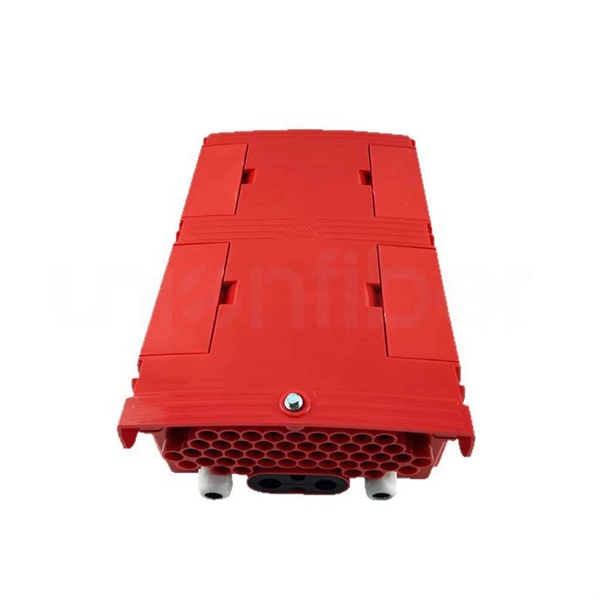
Laying network cables on high-altitude cable trays
This guide covers the critical steps, from selecting the right electrical cable tray and performing accurate cable fill calculations to managing a safe cable pull through and ensuring all bonding and grounding requirements are met. Cable ladder systems and cable tray systems...
[PDF Version]
-
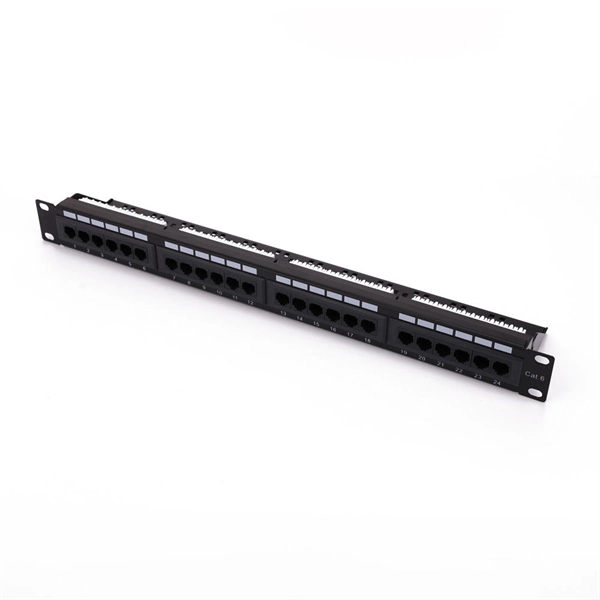
Methods for laying communication optical cable lines
Different environments demand different fiber optic cable installation methods: aerial cables strung on poles, direct-buried cables placed underground, submarine cables laid underwater, and indoor or outdoor cables used in specific settings. Usually, in ordinary soil and hard...
[PDF Version]
-
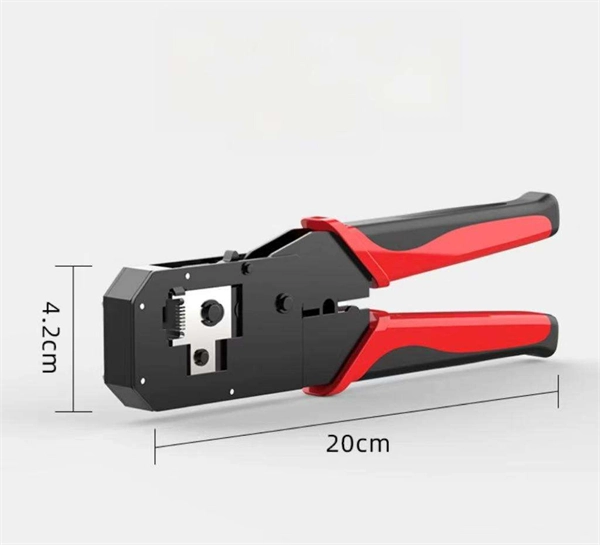
Technological Requirements for Cable Tray Laying
The National Electrical Code (NEC) is the ultimate authority for any cable tray installation. Specifically, NEC Article 392 governs the use, installation, and construction specifications for these systems. These systems, made from metal or plastic, are open structures...
[PDF Version]
-
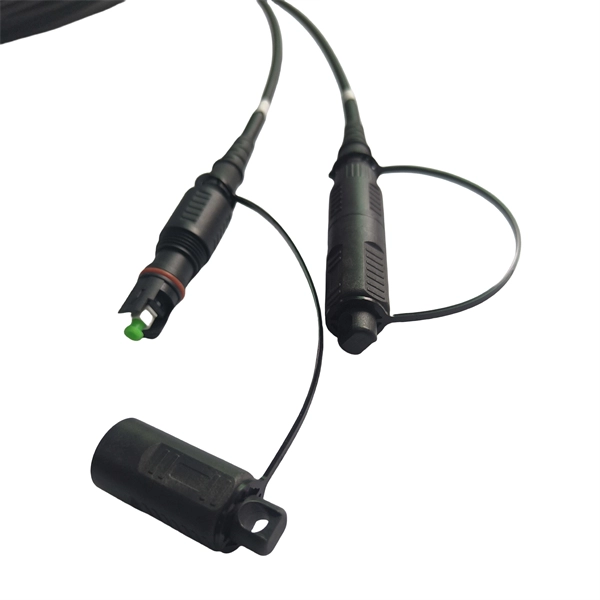
Mechanical fiber optic cable pulling
One method of installing cables is manual or mechanical pulling into PE ducts. Fiber blowing and fiber pulling are two primary methods used in ODN, metro, and backbone fiber installation. While both techniques achieve the same goal—placing fiber cables inside ducts—their...
[PDF Version]
-
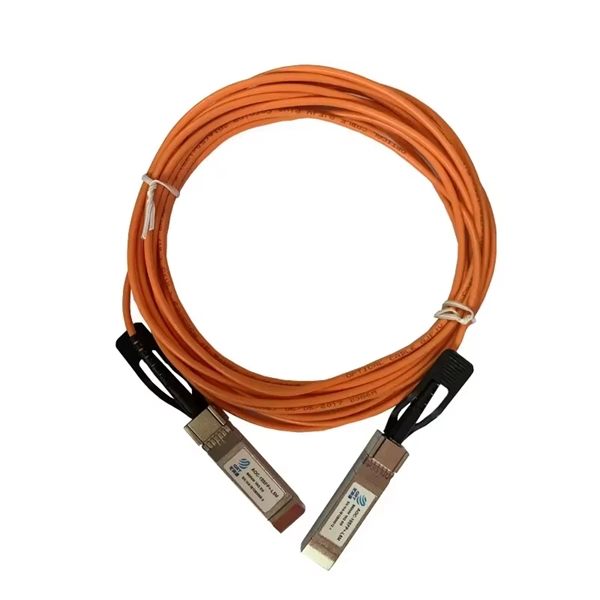
Dimensional parameters for fiber optic cable laying in metropolitan area networks
Critical design factors include pulling strength limits, bend radius guidelines, water protection, and fire rating compliance, among others. The Fiber Optic Association, Inc. (FOA) was founded in 1995 to help develop the workforce to build the fiber optic networks to support...
[PDF Version]
-
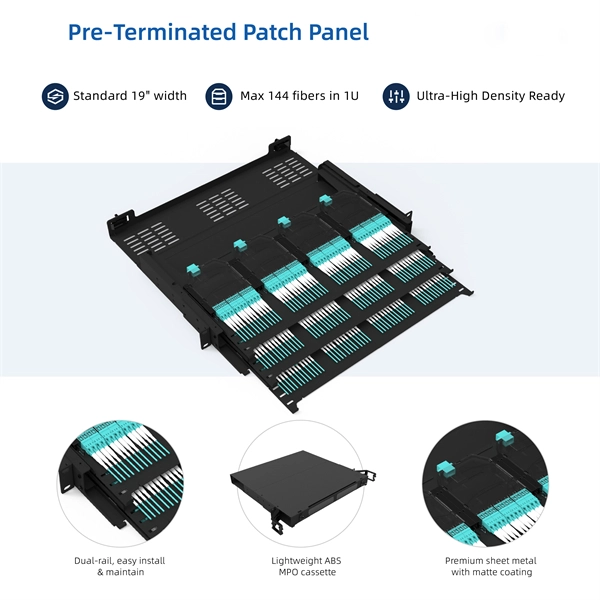
What type of binding material is used for perimeter fiber optic cable laying
From high tenacity polyester binders to para-aramid binders for the highest strength with virtually no shrinkage. With low shrinkage and dual-end options, achieve efficient and reliable results in cable binding applications. Designed for. Binding applications are very common...
[PDF Version]