
Cable Routing Methods And Best Practices
Search optical fiber, connectivity, cable management and network infrastructure references.
- Cable
- Routing
- Methods
Articles and technical references
10 on this page-
Fiber optic cable routing channel bend
The normal recommendation for fiber optic cable is the minimum bend radius under tension during pulling is 20 times the diameter of the cable (d). While installers are aware of the fundamental importance of minimum bend radii, they often lack the practical know-how to. A...
[PDF Version]
-
Fiber Optic and Cable Terminal Connection Methods
This article compares connector terminations, mechanical splicing, and fusion splicing, explaining when each technique is preferred in 2024 deployments. Unlike fiber splicing, which is permanent, connectors allow for easy connection and disconnection of cables, making them...
[PDF Version]
-
Methods for connecting mesh cable trays to steel
The answer: use the right connection accessories for a secure, aligned and continuous cable support system. In most cases, sections of wire mesh baskets or electrical cable trays are joined using couplers, bolts, or proprietary connector kits. ystems support and route all...
[PDF Version]
-
Which type of cable tray clamp is the best
The right hold down clamps for cable trays help secure baskets, wire mesh trays, and under-desk systems, keeping cables organized and safe. How do different cable tray clamp types handle extreme temperatures common in desert solar farms? 3. Each product is selected for...
-
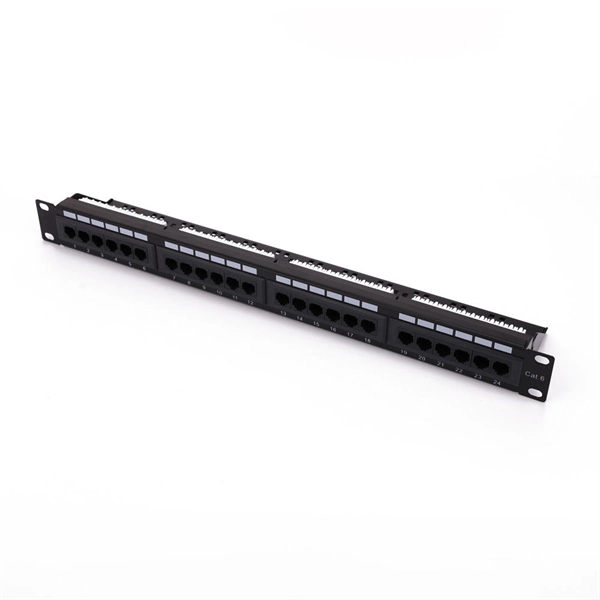
Methods for laying communication optical cable lines
Different environments demand different fiber optic cable installation methods: aerial cables strung on poles, direct-buried cables placed underground, submarine cables laid underwater, and indoor or outdoor cables used in specific settings. Usually, in ordinary soil and hard...
[PDF Version]
-
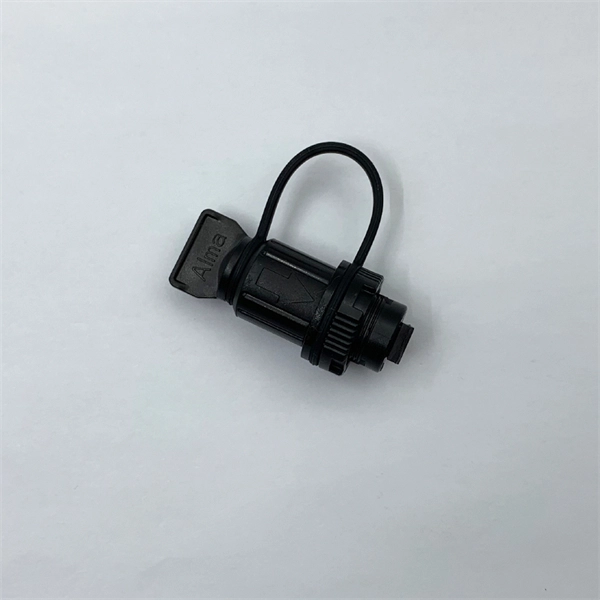
Which Nordic branch optical cable is the best
The digital optical audio cable by AmazonBasics is among the best there is in the market. I highly recommend this product to everyone looking for a dependable Toslink cable. You can conveniently connect an.
-
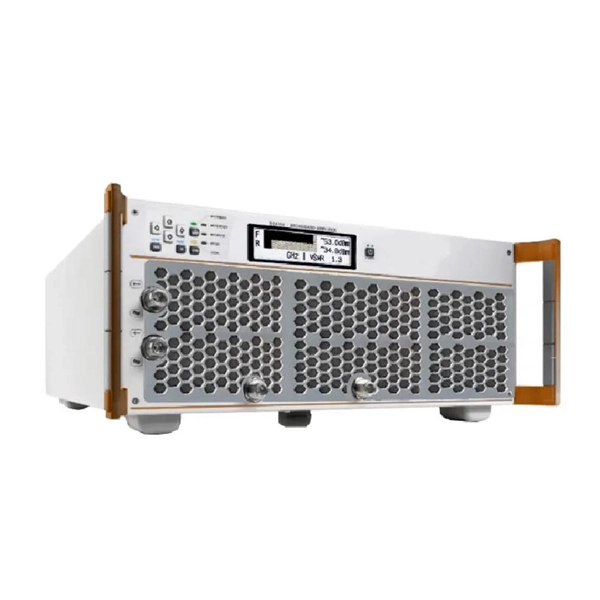
Connection methods for cable tray horizontal and vertical frames
Splice Plates: Connect straight sections of tray together securely. Drop-Outs: Allow cables to exit the tray vertically to connect to equipment below. This is the role of the cable tray system—a structured framework designed to support and organize insulated electrical...
[PDF Version]
-

Which type of cable conduit is best for use in distribution boxes
PVC is best suited for standard underground runs in moderate environments, direct burial residential and commercial electrical distribution, and concrete-encased duct banks where ambient temperatures remain within the rated range. Types of Conduits: Conduits are classified...
[PDF Version]
-
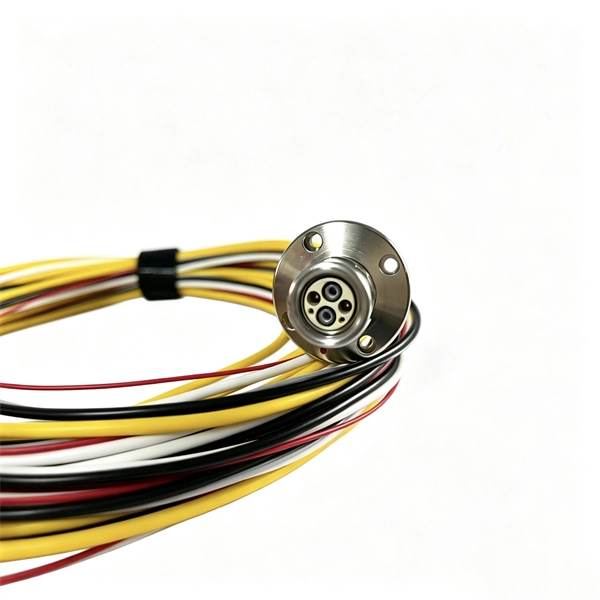
Which flame-retardant cable tray supplier offers the best value
Find top-rated fire resistant cable trays for sale with customizable options. Click to explore verified suppliers and get the best deals in 2026. Key trends in this sector reveal a move towards advanced materials and intelligent, integrated systems. The following analysis...
[PDF Version]
-
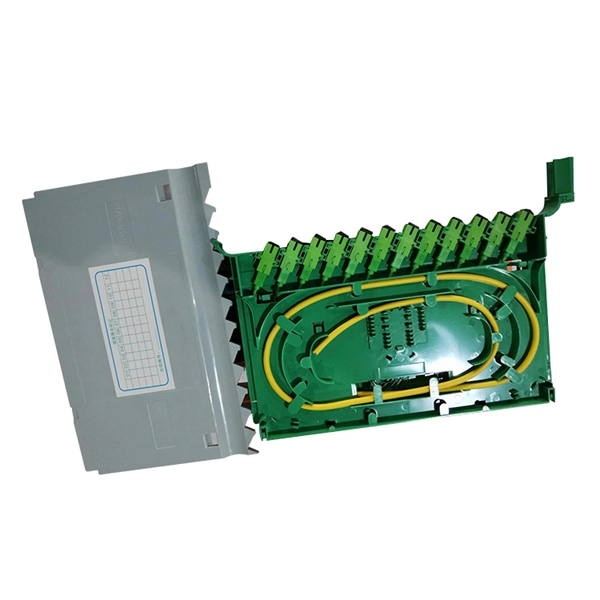
Fiber optic cable laying methods are divided into
The routes for laying fiber optic cables may involve ducts, subterranean channels or elevated paths. Installation typically employs two techniques: pulling and blowing. Each method offers distinct advantages and is tailored to specific environmental considerations. Trenching...
[PDF Version]