
Technical notes
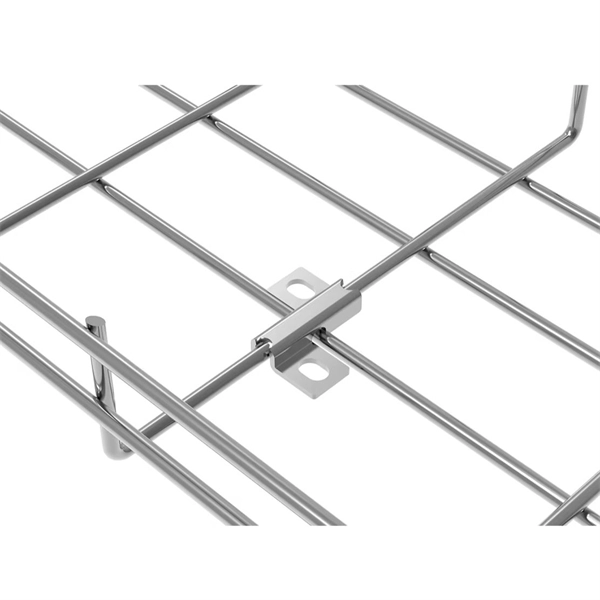
Cable Tray Spacing Standards for Installation and Safety
Discover the essential cable tray spacing requirements for safe and efficient installation. Learn key standards, horizontal and vertical spacing, and more.
Cable Tray Installation Rules (NEC 392) – Electrical Trader
Support spacing for cable trays must align with the manufacturer''s instructions, as outlined in NEC 392.30 (A). Generally, standard trays require
Cable Tray Systems: NEC Article 392 Installation Guide
Learn about ladder, solid bottom, ventilated trough, wire mesh, and channel trays, fill calculations, permitted cables, support requirements, and grounding for industrial and commercial installations.
Cable Tray Fill Rules (NEC 392)
Cable Tray Fill and Installation per NEC 392 Cable tray types, fill rules for single-conductor and multiconductor cables, ampacity derating, separation requirements, and when to use
Cable Tray Support Spacing: Key Guidelines Explained
Explore the essential cable tray support spacing requirements for safe and efficient installations. Learn NEC guidelines for perforated, ladder, and wire
Cable Tray Technical Guide A practical guide to product selection and
A practical guide to product selection and installation This guide for engineers and installers has been developed by ABB as a practical reference regarding cable tray characteristics, installation, and
A Guide to Installing and Supporting Electrical Cable Trays
This guide covers the critical steps, from selecting the right electrical cable tray and performing accurate cable fill calculations to managing a safe cable pull through
Cable Tray Installation Guidelines and Best Practices: Complete
Support spacing directly affects mechanical stability and long-term deflection behavior. A common issue on site is excessive spacing due to anchor point limitations or construction shortcuts.
Cable tray manual
Quality Type TC, Type PLTC, or Type ITC small diameter multiconductor control and instrumentation cables will not be damaged due to the cable tray rung spacing selected, but the installation may not
NEC Standards for Cable Trays: Grounding, Fill Capacity
This article provides a comprehensive framework that governs various aspects of cable tray installations, including the types of cables that are deemed acceptable for use, requirements for
Cable Tray Installation and Cable Handling Method Statement
Cables must be installed in the designated cable trays as specified in the contract drawings. Install cables neatly and professionally, adhering to the provided drawing details regarding cable laying and
Complete cable tray manual for electrical engineers and designers
How to design cable tray? Most projects are roughly defined at the start of cable tray design. For projects that are not 100 percent defined before design start, the cost of and time used in
Cable Tray Installation Guidelines and Best Practices: Complete
Cable tray installation guidelines for industrial EPC projects with support spacing, earthing, routing, safety and real site best practices.
Instrumentation Cable Tray Installation Checklist and Inspection
Step-by-step instrumentation cable tray installation guide with safety tips, standards, inspections, and downloadable Excel checklist.
A Guide to Installing and Supporting Electrical Cable Trays
A professional guide to installing electrical cable tray systems per NEC Article 392. Covers support, securing cables, and fill calculations.
Cable Tray Width Selection for Installations with 600 Volt Single
Cable Tray Width Selection for Installations with 600 Volt Single Conductor Cables National Electrical Code (NEC) Section 318-11 Ampacities of Cables, Rated 2000 Volts or Less, in Cable Trays. (b)
IEC Standard for Cable Tray: Complete Technical Guide
Understanding the IEC Standard for Cable Tray Cable trays play a vital role in supporting electrical cables and wires in commercial, industrial, and
Criteria for Sizing, Designing, Installing and Supporting of Cable-Tray
7.1 Cable tray system designs shall normally be aluminum ladder-type NEMA 20A tray with 225 mm (9 in) rung spacing with and outside flange. A 100mm (4 in) loading depth has been found to be a good
Related Video Reference
This video was associated with the source search result. Verify technical details against current product documentation and project requirements.