
Cable Tray Environmental Factors And Material Selection
Search optical fiber, connectivity, cable management and network infrastructure references.
- Cable
- Tray
- Environmental
Articles and technical references
9 on this page-

What material is Zhentai cable tray made of
The cable trays consist of a thin metallic plate and electro-welded steel rods. Their construction is based on the international standard IEC 61537, which specifies the requirements for cable tray systems, tests, and specifications. It's strong, durable, and can withstand a...
[PDF Version]
-

Cable tray steel material standards
IEC 61537 is the internationally recognized benchmark for metal cable tray systems. It applies to cable trays made of steel, stainless steel, aluminum, or other metallic materials. The standard ensures these systems can handle the physical and electrical loads they're exposed...
[PDF Version]
-
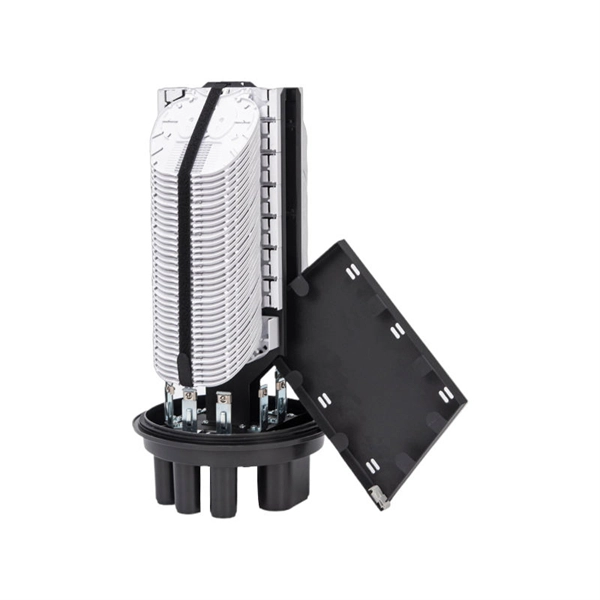
Cable tray white profile material
White cable trays are typically constructed from durable materials such as steel or aluminum and finished with a high-quality powder coating. This coating provides not only the distinctive white color but also added protection against corrosion, scratches, and environmental...
[PDF Version]
-

Cuba cable tray material prices
Cable Tray Price List 2024 PDFPrice List Cable Tray 2024 - Free download as PDF File (.pdf), Text File (.txt) or view presentation slides online. Cable Tra.
[PDF Version]
-
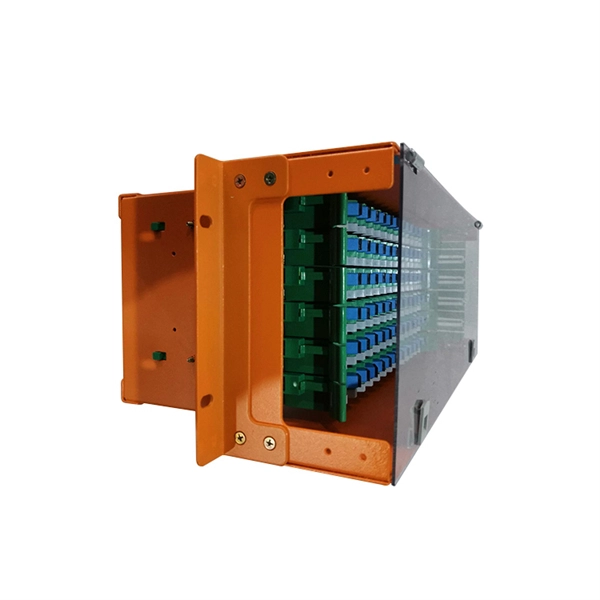
Cable Tray Material Cutting
How to Cut a Cable Tray Cutting a cable tray precisely and efficiently can pose challenges, especially in tight spaces or with different materials. Here ar.
[PDF Version]
-

Trough-type cable tray mesh
Unlike ladder or wire mesh cable trays, trough type cable trays use a fully enclosed structure formed from a single steel sheet, creating a protective channel that shields cables from external interference. Far superior to traditional conduit in many applications, cable tray...
[PDF Version]
-

What type of cable tray is a rigid cable tray
Cable trays are mechanical support systems that provide a rigid structural system for electrical cables, raceways, and insulated conductors used for electric power distribution, control, signal instrumentation, and communication. There are several types of cable trays...
-
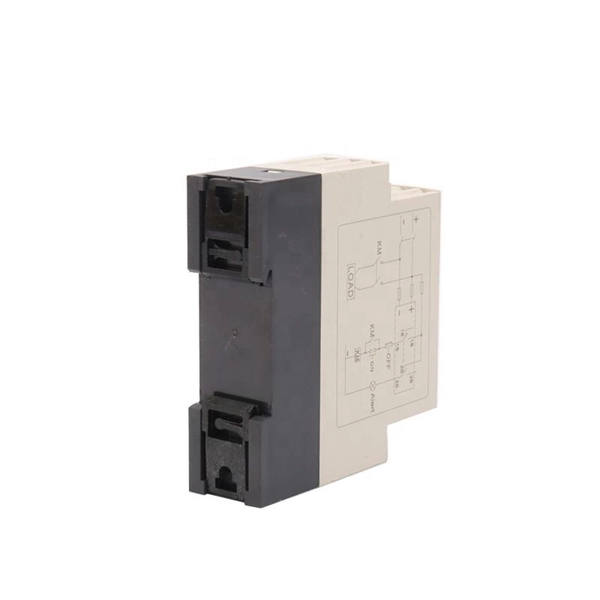
Cable tray small end becomes large
Cable sag results from incorrect spacing of cable tray supports or from employing the incorrect tray type that is, light-duty perforated trays in high-load applications. Complicating the problem are overloaded trays and large unsupported spans. Sagging causes tension at...
[PDF Version]
-

Sealing of Cable Tray Holes in External Walls
In Walls: Use a fire-rated, intumescent caulk or putty for gaps around cables in fire-rated walls. For non-fire-rated walls, silicone caulk provides a flexible, weather-resistant seal. Installing a cable through an exterior wall creates a breach in the building envelope...
[PDF Version]