
Cable Tray Fire Protection
Search optical fiber, connectivity, cable management and network infrastructure references.
- Cable
- Tray
- Fire
Articles and technical references
9 on this page-
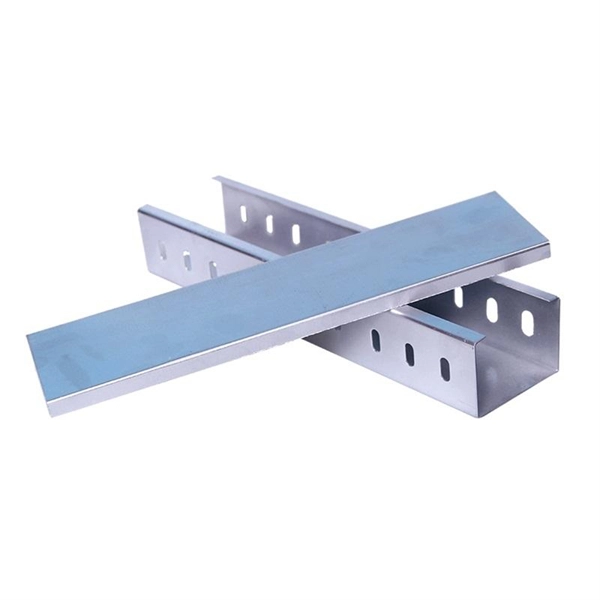
Dominican Republic Fire Protection Cable Tray Installation
Cable trays and busways at floor level or at slab penetrations shall have a waterstop no less than 50 mm in height. At slab penetrations, provide 20–30 mm of firestopping and install a fire-support plate at the top. Sealing shall be tight and reliable, without visible...
[PDF Version]
-
Cable tray corrosion protection classification
Corrosion Classes Applied to Cable Tray Environments: C1 - Very Low Typical Environments: Indoor, climate-controlled areas like offices, data centers, or laboratories. Materials: Untreated or painted steel. Recommended Products: Light-duty cable trays, raceways, and. In the...
[PDF Version]
-

How to access the cable tray for fire protection and low-voltage electrical systems
Cable Tray Installation Rules (NEC 392) – Electrical TraderCore rules for selecting, installing, grounding, and filling cable trays—clearances, materials.
[PDF Version]
-
Stainless Steel and Cable Tray Corrosion Protection
Stainless steel cable trays have sturdy structure, resist rust and they are specified for cable containment and cable support in oil, gas, petroleum, offshore, marine and a wide range of applications. Choosing the right material is crucial for corrosion protection. Galvanized...
[PDF Version]
-
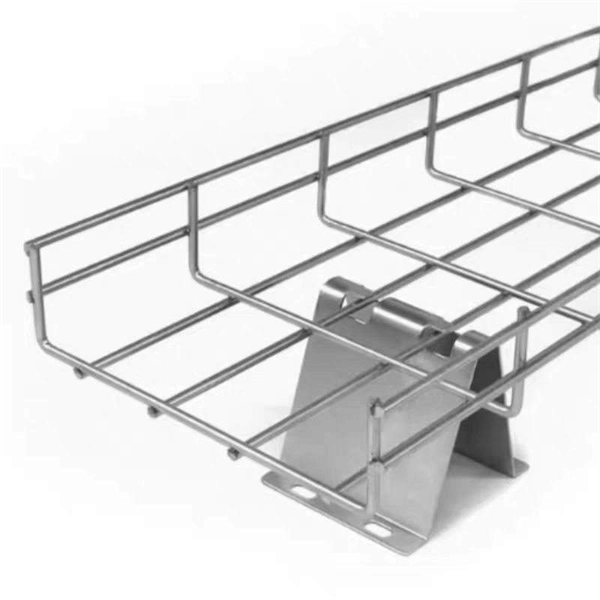
Cable Tray Vibration Protection Solutions
How to Secure Cable Trays in High-Vibration Eliminate cable tray failure in high vibration environments. Learn the method of how to lock your locking faste.
[PDF Version]
-

Trough-type cable tray mesh
Unlike ladder or wire mesh cable trays, trough type cable trays use a fully enclosed structure formed from a single steel sheet, creating a protective channel that shields cables from external interference. Far superior to traditional conduit in many applications, cable tray...
[PDF Version]
-
What type of cable tray is a rigid cable tray
Cable trays are mechanical support systems that provide a rigid structural system for electrical cables, raceways, and insulated conductors used for electric power distribution, control, signal instrumentation, and communication. There are several types of cable trays...
-
Cable tray small end becomes large
Cable sag results from incorrect spacing of cable tray supports or from employing the incorrect tray type that is, light-duty perforated trays in high-load applications. Complicating the problem are overloaded trays and large unsupported spans. Sagging causes tension at...
[PDF Version]
-
Sealing of Cable Tray Holes in External Walls
In Walls: Use a fire-rated, intumescent caulk or putty for gaps around cables in fire-rated walls. For non-fire-rated walls, silicone caulk provides a flexible, weather-resistant seal. Installing a cable through an exterior wall creates a breach in the building envelope...
[PDF Version]