
Cable Tray Functions In Modern Wiring Systems
Search optical fiber, connectivity, cable management and network infrastructure references.
- Cable
- Tray
- Functions
Articles and technical references
11 on this page-
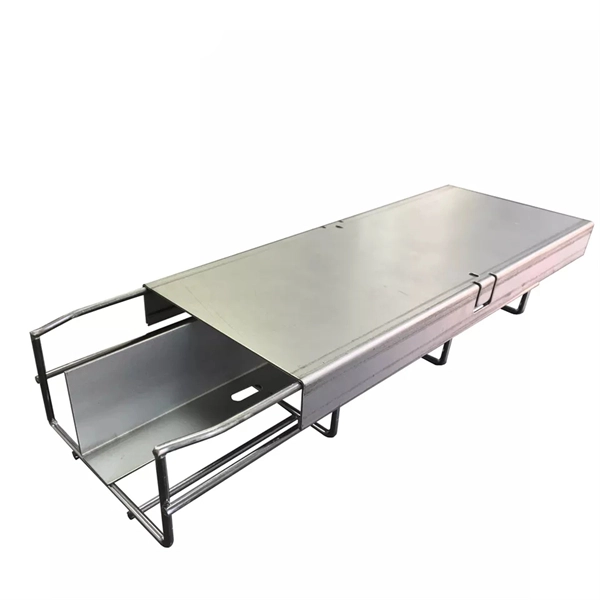
Disadvantages of cable tray wiring
However, there are also disadvantages of using cable tray that need to be considered. While cable trays offer good structural support, they may not provide as much protection against physical damage or environmental hazards compared to fully enclosed conduit systems. It...
-

Authentic Tray-Type Cable Tray Functions
Cable trays are used for guiding, protecting, and organizing cables in electrical, telecommunication, and industrial installations. Unlike conduit systems, cable trays allow cables to be laid in bundles, improving accessibility, heat. association representing the major...
[PDF Version]
-

Cable tray partition cable tray wiring
Cable tray partition systems are essential components in cable management, designed to organize and separate various cables. Partitions within the tray enable. Hubbell's NEXTFRAME® Ladder Tray is the effective and widely used cable runway that supports and delivers bundles of...
[PDF Version]
-
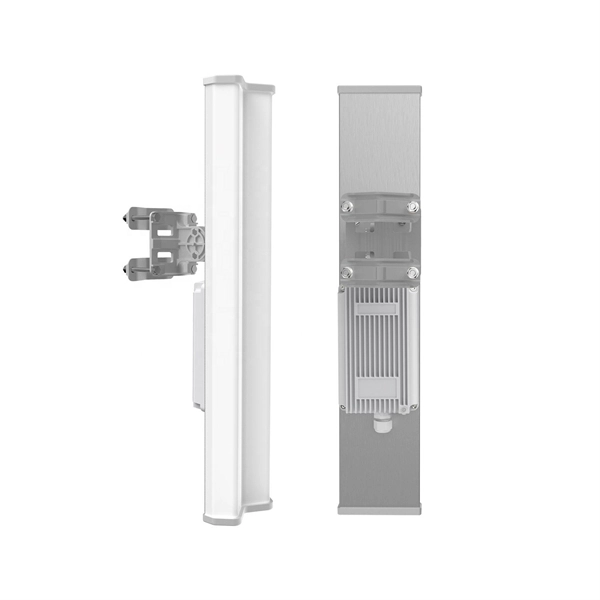
What is cable tray wiring
In the electrical wiring of buildings, a cable tray system is used to support insulated electrical cables used for power distribution, control, and communication. Think of it as a sophisticated “highway” for cables, keeping them organized, protected, and easily accessible...
-
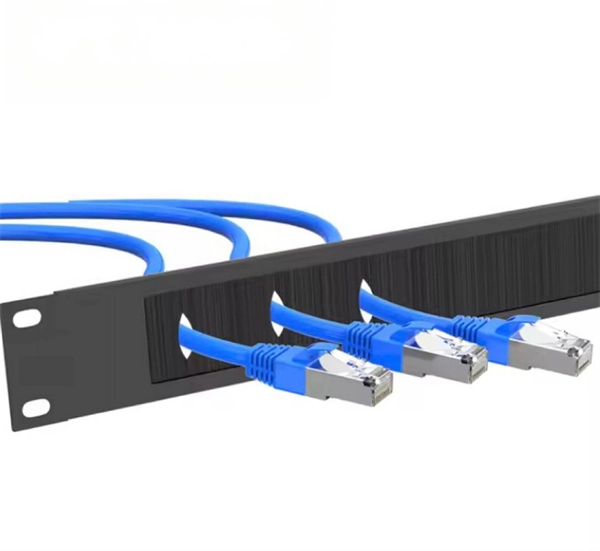
Cable tray wiring in factory
Cable Tray Installation Rules (NEC 392) – Electrical TraderCore rules for selecting, installing, grounding, and filling cable trays—clearances, materials.
[PDF Version]
-
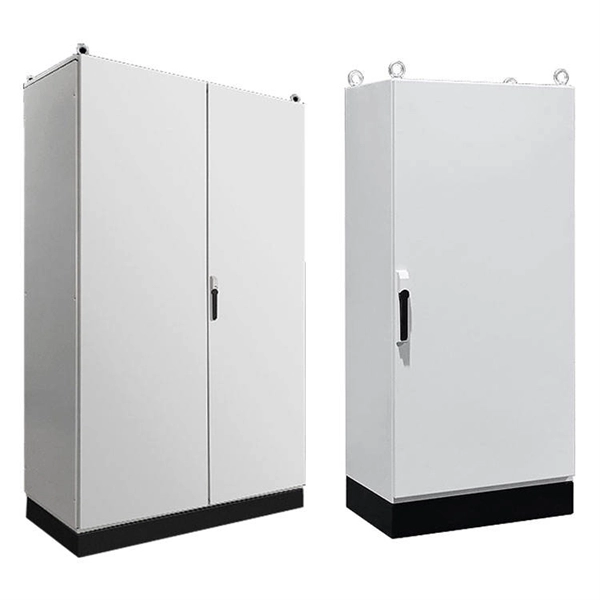
What is a vertical cable tray for low-voltage wiring
Cable Tray Installation Rules (NEC 392) – Electrical TraderIn vertical or angled tray runs, cables should be fastened to the tray's transverse members to k.
[PDF Version]
-
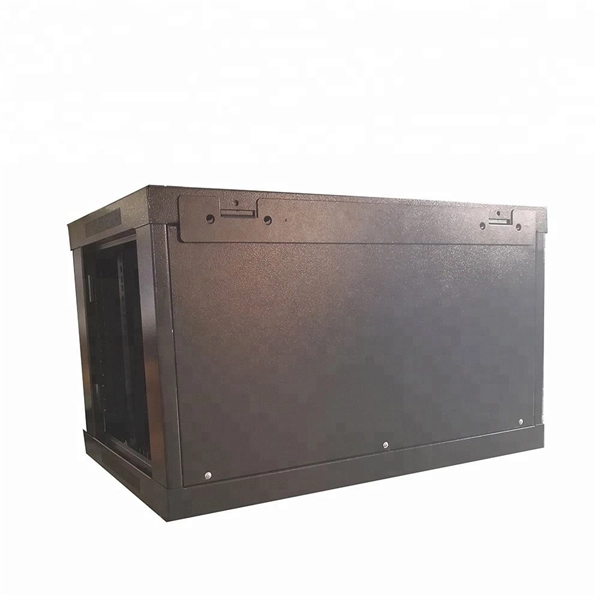
What kind of cable tray is used for wiring
Cable Tray Types and Sizes Types of Cable Trays and Sizes Explore various cable tray types and sizes for electrical installations. Learn about ladder, perf.
[PDF Version]
-

Trough-type cable tray mesh
Unlike ladder or wire mesh cable trays, trough type cable trays use a fully enclosed structure formed from a single steel sheet, creating a protective channel that shields cables from external interference. Far superior to traditional conduit in many applications, cable tray...
[PDF Version]
-
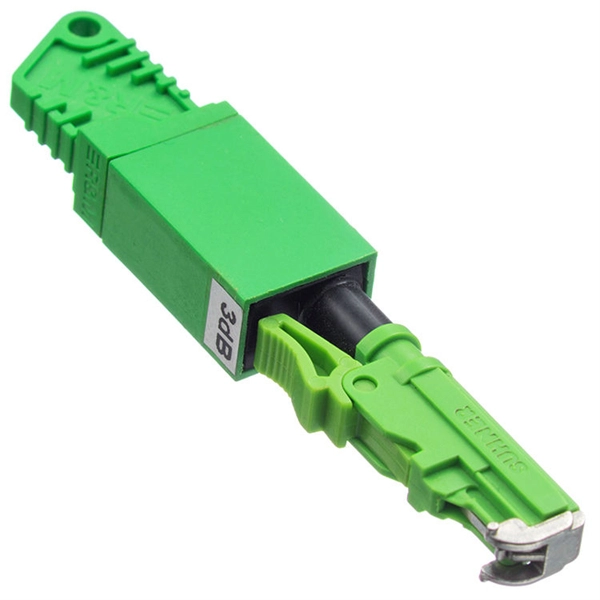
What type of cable tray is a rigid cable tray
Cable trays are mechanical support systems that provide a rigid structural system for electrical cables, raceways, and insulated conductors used for electric power distribution, control, signal instrumentation, and communication. There are several types of cable trays...
-
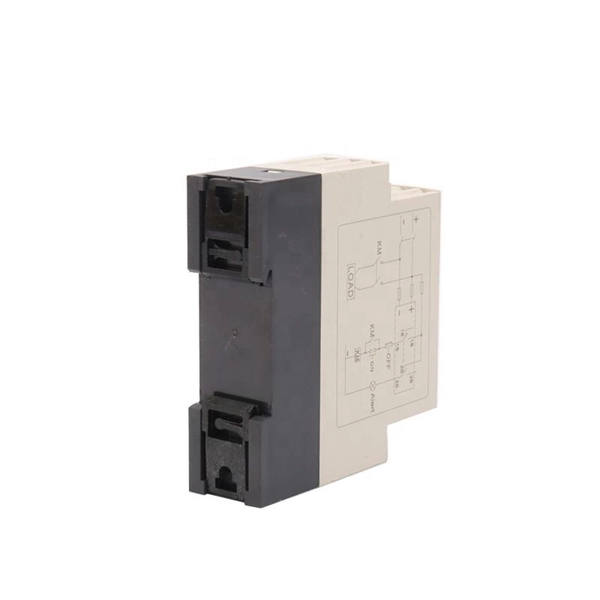
Cable tray small end becomes large
Cable sag results from incorrect spacing of cable tray supports or from employing the incorrect tray type that is, light-duty perforated trays in high-load applications. Complicating the problem are overloaded trays and large unsupported spans. Sagging causes tension at...
[PDF Version]
-
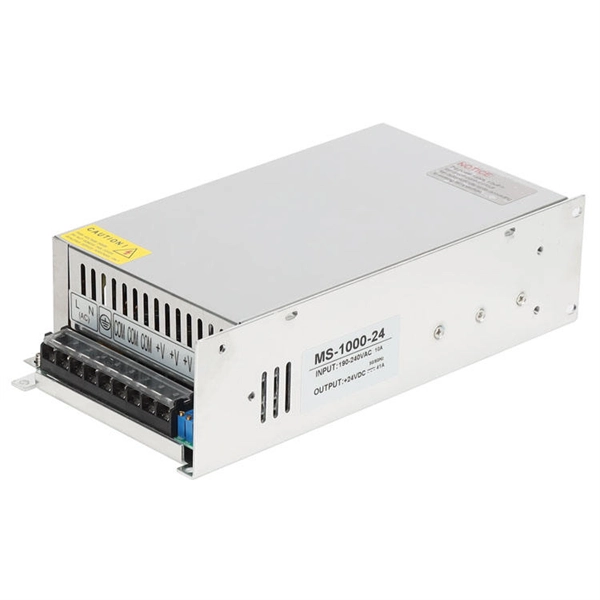
Sealing of Cable Tray Holes in External Walls
In Walls: Use a fire-rated, intumescent caulk or putty for gaps around cables in fire-rated walls. For non-fire-rated walls, silicone caulk provides a flexible, weather-resistant seal. Installing a cable through an exterior wall creates a breach in the building envelope...
[PDF Version]