
Cable Tray Mounting Brackets Mcmaster Carr
Search optical fiber, connectivity, cable management and network infrastructure references.
- Cable
- Tray
- Mounting
Articles and technical references
10 on this page-
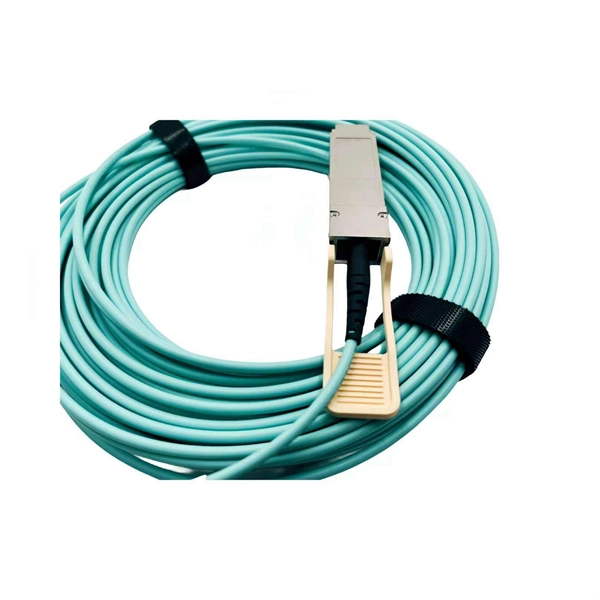
Installation of No-Drill Cable Tray Brackets
While drilling holes has long been the conventional method of installing cable tray brackets, non-drilling options such as magnetic and adhesive brackets offer viable alternatives. Check Regulations: Consult the National Electrical. OBO BETTERMANN has offered prod-ucts and...
-
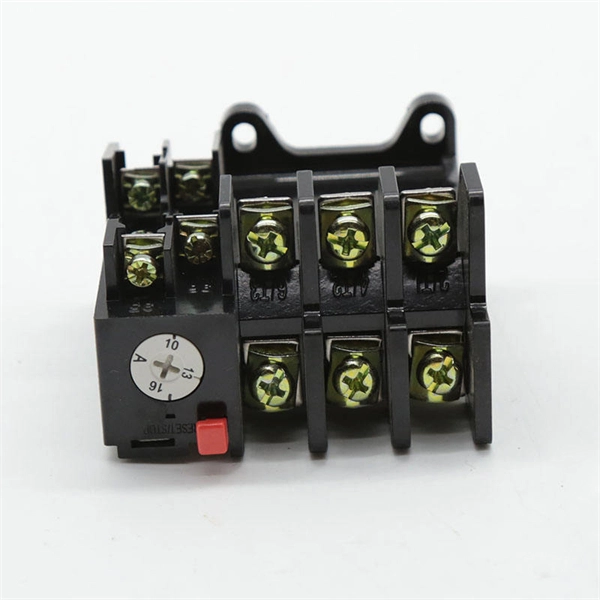
Common Problems with Cable Tray Fixing Brackets
Problem symptoms: Excessive bracket spacing can cause the cable tray to sag and deform, or loose fixing bolts can cause shaking. 5 meters for straight sections, and add reinforcement brackets at bends. Cable Overheating Where airflow is limited in densely packed trays or...
-
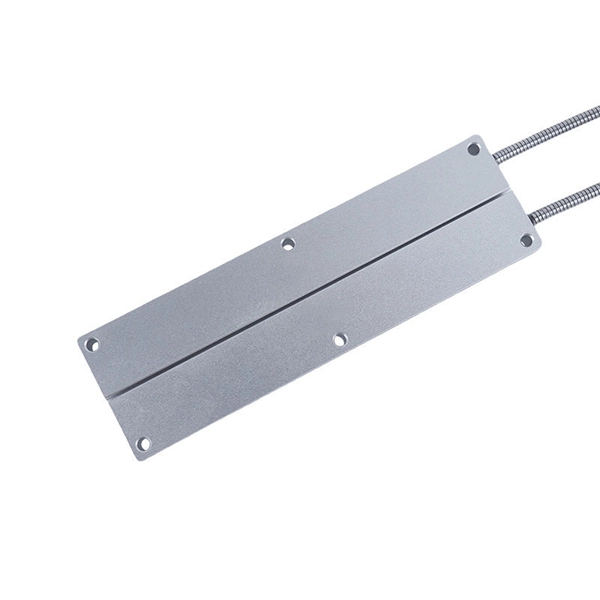
Specifications and Models of Cable Tray Anti-vibration Brackets
Product Catalogue Cable Management SolutionsCable ladder is a more reliable, less expensive solution for supporting cable, which is easier to maintain, pro.
[PDF Version]
-
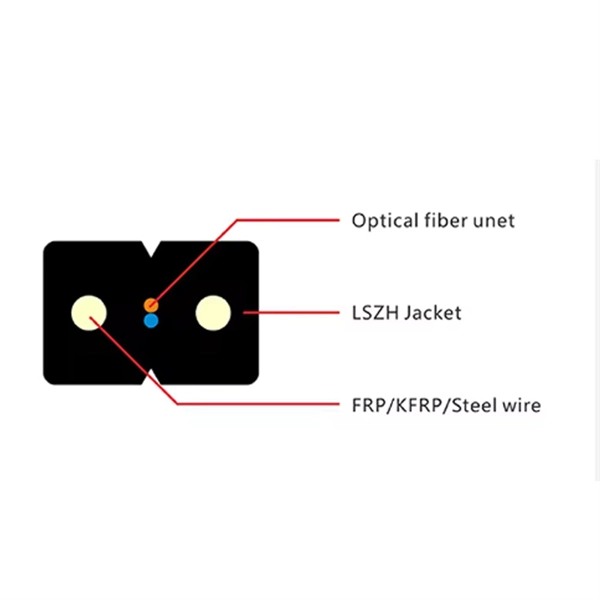
Requirements for Mesh Cable Tray Installation Brackets
Wire Mesh Tray Technical Guide The NEMA VE standard for cable trays is the "product" standard which defines the requirements and tests for cable tray and c.
[PDF Version]
-
Installation of Cable Tray Support Brackets
Guide to cable support systems The systems are suspended from the ceiling with threaded rods, stand-off brackets allow raised floor mounting of cable trays.
[PDF Version]
-

Trough-type cable tray mesh
Unlike ladder or wire mesh cable trays, trough type cable trays use a fully enclosed structure formed from a single steel sheet, creating a protective channel that shields cables from external interference. Far superior to traditional conduit in many applications, cable tray...
[PDF Version]
-
What type of cable tray is a rigid cable tray
Cable trays are mechanical support systems that provide a rigid structural system for electrical cables, raceways, and insulated conductors used for electric power distribution, control, signal instrumentation, and communication. There are several types of cable trays...
-
Cable tray small end becomes large
Cable sag results from incorrect spacing of cable tray supports or from employing the incorrect tray type that is, light-duty perforated trays in high-load applications. Complicating the problem are overloaded trays and large unsupported spans. Sagging causes tension at...
[PDF Version]
-
Sealing of Cable Tray Holes in External Walls
In Walls: Use a fire-rated, intumescent caulk or putty for gaps around cables in fire-rated walls. For non-fire-rated walls, silicone caulk provides a flexible, weather-resistant seal. Installing a cable through an exterior wall creates a breach in the building envelope...
[PDF Version]
-
Cable tray weld location
Support of cable tray shall be located within 2ft (600mm max. ) of each side of expansion splice plates. Expansion guides should be used at each support point except where the tray is hung with. According to an embodiment of the present invention, a method to weld a cable...
[PDF Version]