
Cable Tray Tee Fitting Guide
Search optical fiber, connectivity, cable management and network infrastructure references.
- Cable
- Tray
- Fitting
Articles and technical references
11 on this page-
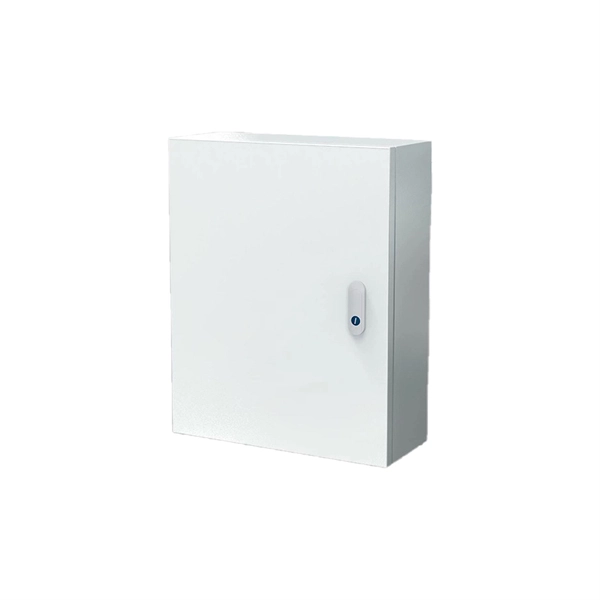
Cable tray tee slope fabrication
Calculate horizontal, vertical, or compound cable tray offsets based on bend angle, offset distance, and available installation space. The Cable Tray Slope & Fabrication Calculator is a field-ready tool for electrical construction workers who need to quickly calculate V-cut...
[PDF Version]
-
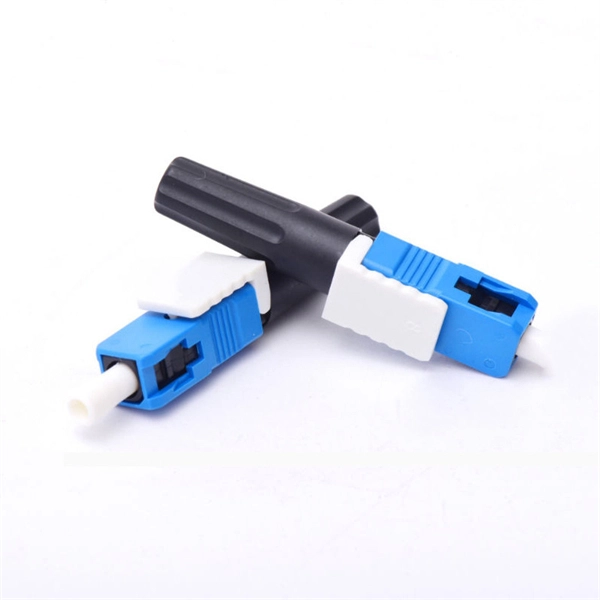
Connect the cable tray to the tee at a 45-degree angle
The TX bracket allows you to fabricate tee or cross combinations in the ET/ET3/ET5 tray. Simply make the appropriate cuts in the side wall of the tray you are joining a length to, bend down the side wall, and attach a TX bracket either side. Always use 2 splice plates per...
[PDF Version]
-
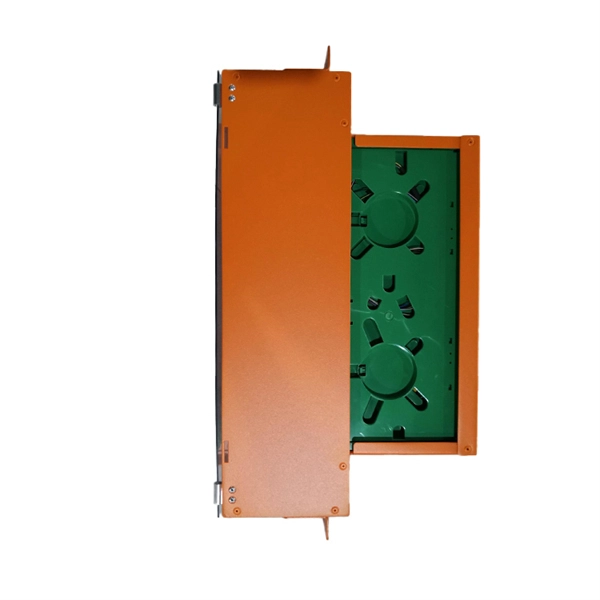
Straight-line distance of cable tray tee
The distance measured from center of rung to center of adjacent rung. Standard rung spacing is ventilated (maximum opening of 52 mm), 150 mm, 225 mm, and 300 mm. The determination of spacing is based primarily by size and type of cable being supported. When installing two...
[PDF Version]
-
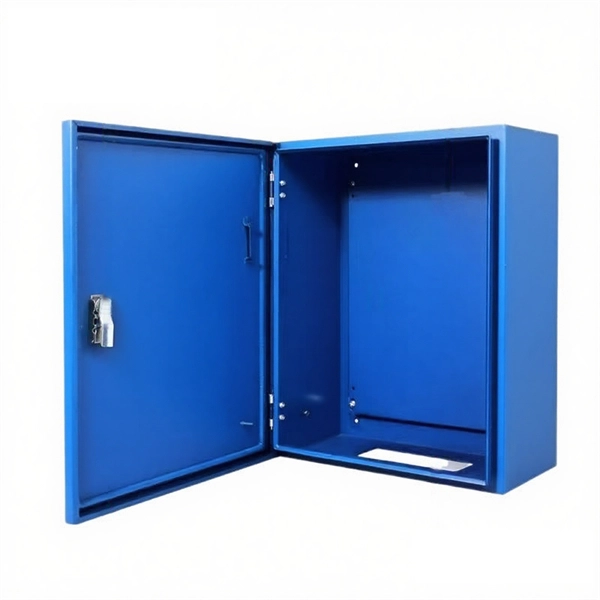
Cable tray tee length and dimensions specifications
Cable Tray Dimensions Guide: Standard Sizes, Tray We will first explain standard cable tray dimensions used across the industry, then examine how dimension.
[PDF Version]
-
Complete Guide to Cable Tray Types in Sierra Leone
Types of Cable Trays: Ladder, Perforated, Basket, Solid & ChannelExplore all types of cable trays—ladder, perforated, basket, solid, and channel. Learn the.
[PDF Version]
-
How to install a cable tray tee
How to Install Cable Tray: A Comprehensive Guide to Different Cable. Welcome to our step-by-step guide on installing cable trays! In this video, we'll ex.
[PDF Version]
-
Complete Guide to Cable Tray Width Dimensions
Cable Tray Size Guide: How to Choose the Right Complete cable tray sizing guide with standard size chart, NEC calculation methods, and real engineering exa.
[PDF Version]
-
Trough-type cable tray mesh
Unlike ladder or wire mesh cable trays, trough type cable trays use a fully enclosed structure formed from a single steel sheet, creating a protective channel that shields cables from external interference. Far superior to traditional conduit in many applications, cable tray...
[PDF Version]
-
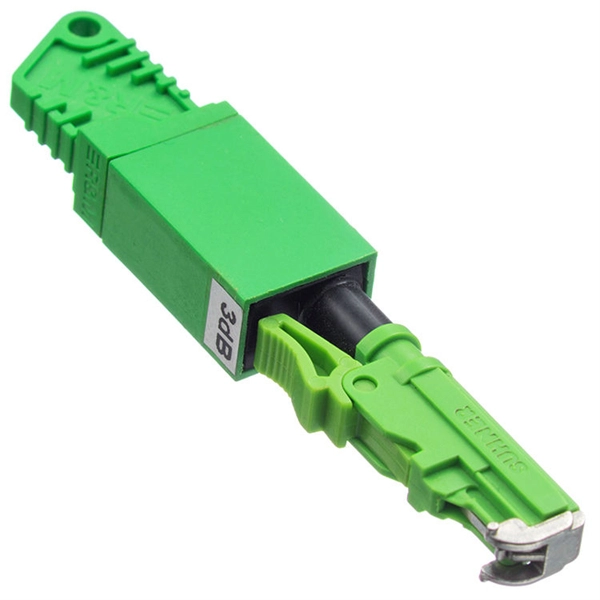
What type of cable tray is a rigid cable tray
Cable trays are mechanical support systems that provide a rigid structural system for electrical cables, raceways, and insulated conductors used for electric power distribution, control, signal instrumentation, and communication. There are several types of cable trays...
-
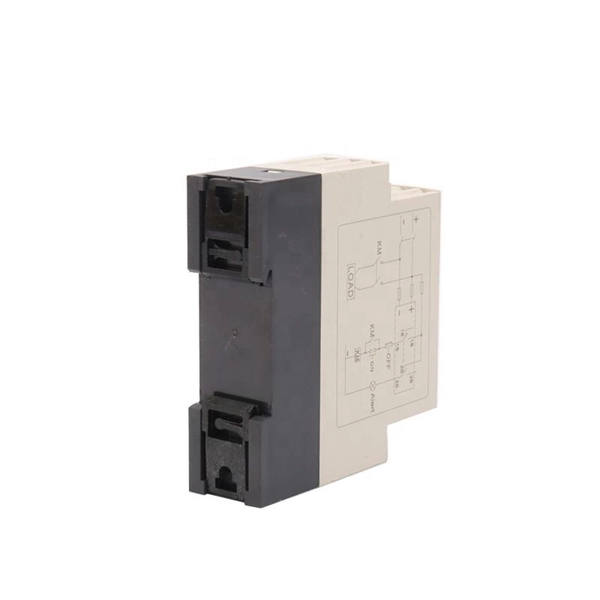
Cable tray small end becomes large
Cable sag results from incorrect spacing of cable tray supports or from employing the incorrect tray type that is, light-duty perforated trays in high-load applications. Complicating the problem are overloaded trays and large unsupported spans. Sagging causes tension at...
[PDF Version]
-
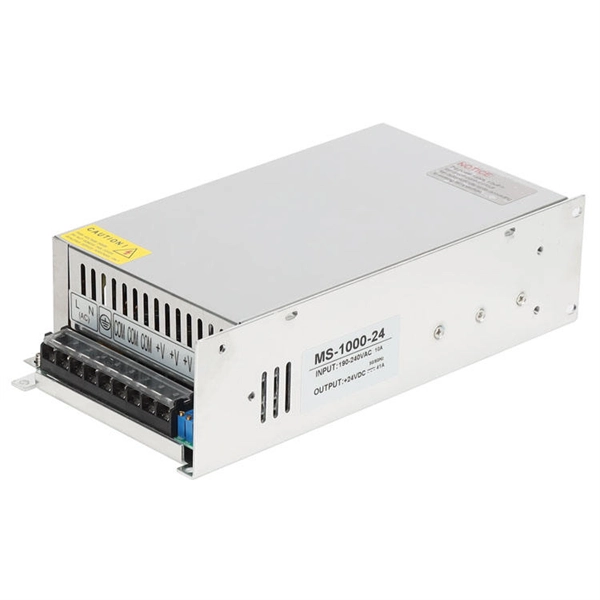
Sealing of Cable Tray Holes in External Walls
In Walls: Use a fire-rated, intumescent caulk or putty for gaps around cables in fire-rated walls. For non-fire-rated walls, silicone caulk provides a flexible, weather-resistant seal. Installing a cable through an exterior wall creates a breach in the building envelope...
[PDF Version]