
Cable Trays And Optical Cables
Search optical fiber, connectivity, cable management and network infrastructure references.
- Cable
- Trays
- Optical
Articles and technical references
9 on this page-
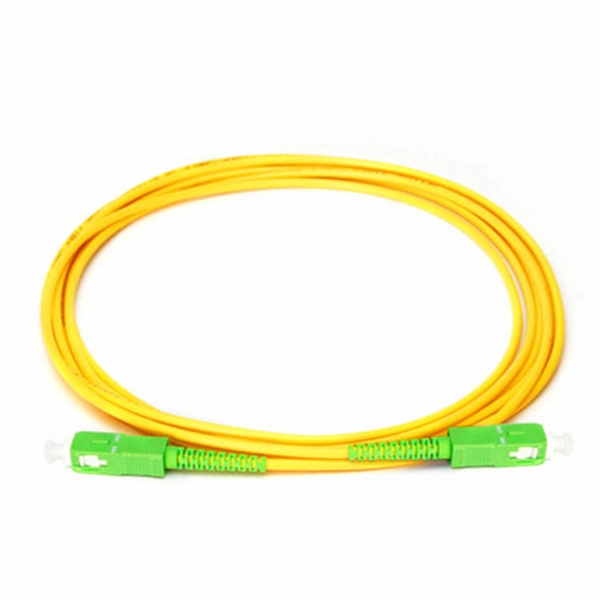
Use ladder-shaped cable trays for ordinary cables
NEC 392 recognizes several cable tray types, each with different structural properties and ventilation characteristics that affect fill rules and ampacity. Ladder tray consists of two side rails connected by rungs, similar to a ladder laid flat. Cable trays support insulated...
[PDF Version]
-
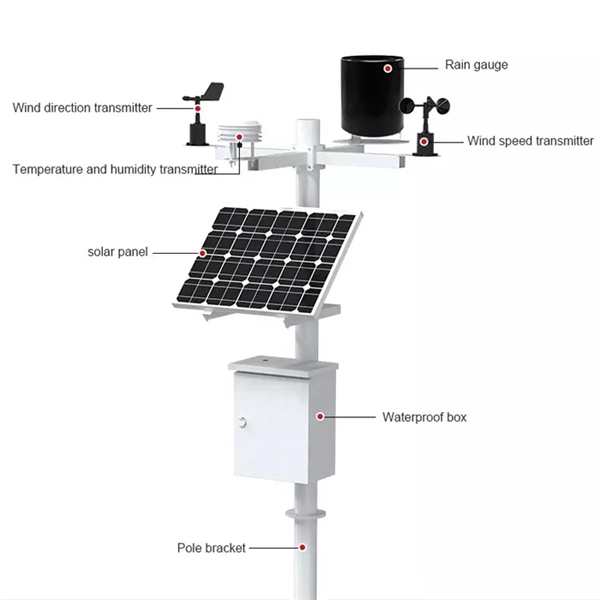
Small cable trays with many cables
Modern small cable tray systems feature modular construction that allows for easy installation and expansion. The primary function involves creating organized cable pathways that prevent cable damage from environmental factors, mechanical stress, and electromagnetic...
[PDF Version]
-
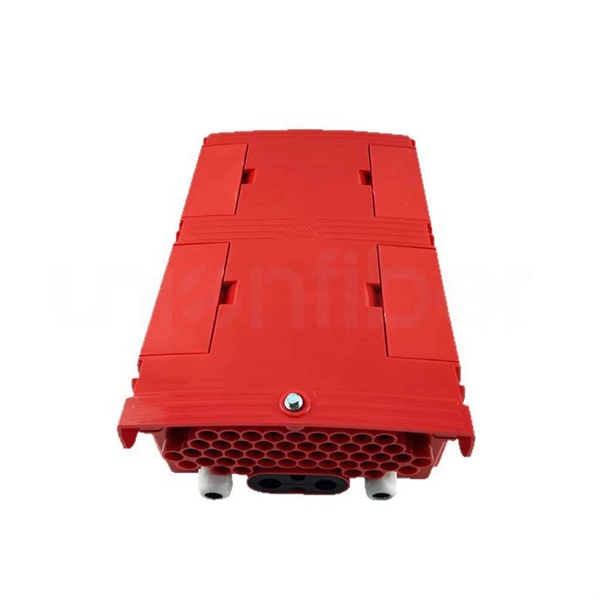
Laying network cables on high-altitude cable trays
This guide covers the critical steps, from selecting the right electrical cable tray and performing accurate cable fill calculations to managing a safe cable pull through and ensuring all bonding and grounding requirements are met. Cable ladder systems and cable tray systems...
[PDF Version]
-

Should public power cables be routed through cable trays or fire protection cable trays
Trays support large numbers of power and control cables, while conduits offer mechanical protection, especially in exposed or hazardous environments. Proper selection and routing reduce downtime, save costs, and ensure long-term safety. EMI risk increases with parallel runs...
[PDF Version]
-
Can YJV cables be run in cable trays
This design is suitable for various installation methods including direct underground burial, cable trenches, cable trays, and pipelines. YJV cables are not suitable and must not be used here. Environment: Typically from the inverter output to an AC combiner box...
[PDF Version]
-
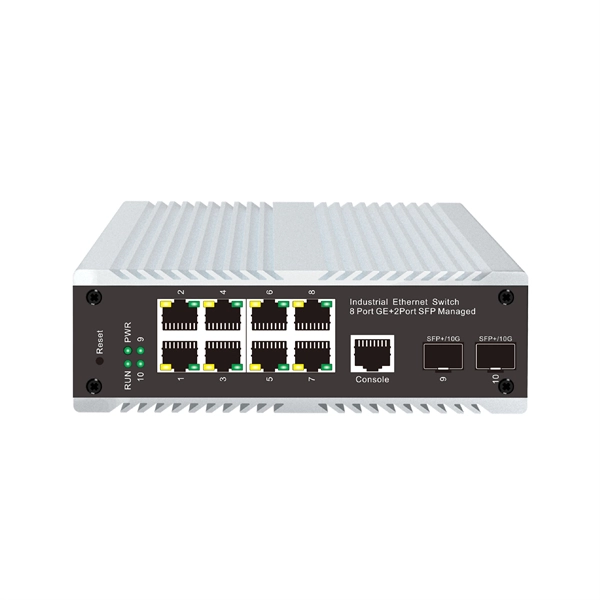
How to install cable trays for cables that are too large
Learn how to install cable trays for large-scale projects with our professional, step-by-step guide covering industry standards, safety protocols, and efficient routing techniques. The supports are typically placed every 1. 0m): It saves money and uses fewer parts, but needs...
[PDF Version]
-
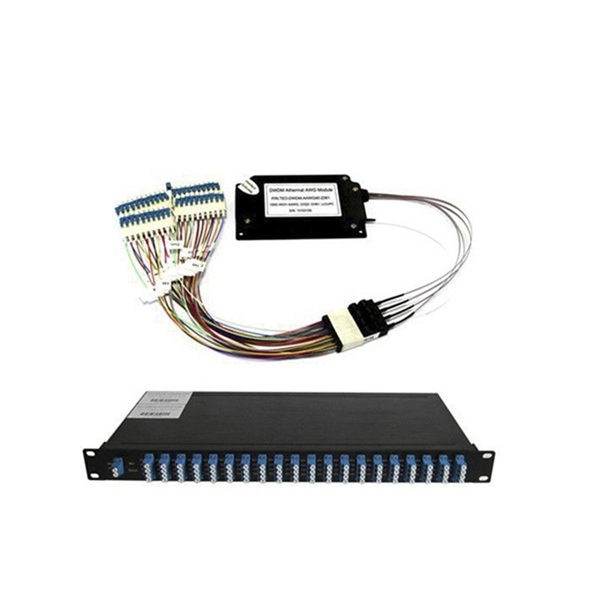
Function of Shielded Cable Trays for Communication Cables
Cable trays allow for maximum air circulation around the conductors, facilitating heat dissipation and preventing the buildup of heat that can degrade cable insulation and reduce the current-carrying capacity, or ampacity, of the wires. A cable tray system is a structured...
-

Price of Underground Optical Cable Trays
Cable tray pricing depends on materials, coatings, size, supplier margins, and order quantity —plus hidden costs like shipping and installation. An underground cable tray is a structural system used to support and organize electrical cables beneath the surface, ensuring safe...
-

Control cables are placed in cable trays
In industrial settings, electrical and instrumentation (E&I) cable trays or bridge racks play a critical role in organizing and supporting power, control, and signal cables across facilities. Question 1: Can mechanical utility piping or tubing containing water or compressed...
[PDF Version]