
Technical notes
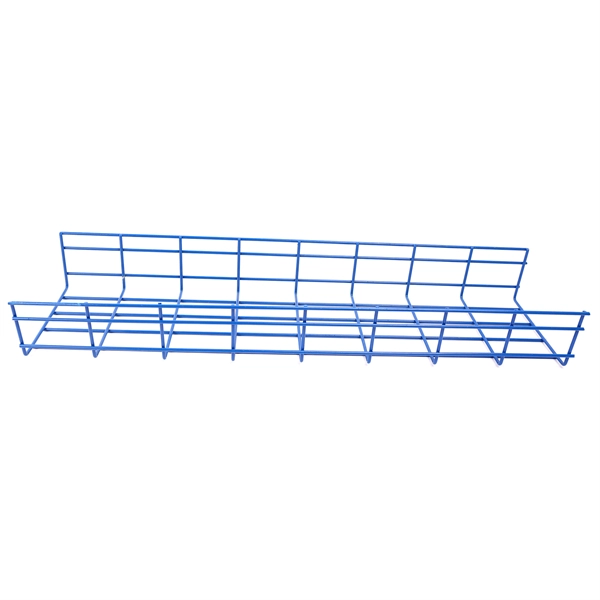
Cable Tray Installation Rules (NEC 392) – Electrical Trader
Here''s what you need to know: Cable Types: Only use conductors rated for open-air environments, such as Tray Rated (Type TC) or Metal-Clad (Type MC) cables. Clearances: Maintain
NEC Article 392 Guide: Ensuring Compliance for Cable
The short answer is no. Due to their exposure to the open air because of the cable trays, the wires contained within need a very durable outer
Firestopping Requirements for Cable Trays and Wall/Slab Penetrations
Where cables pass through shafts, walls, slabs, or enter electrical panels or cabinets, openings shall be tightly sealed with firestopping materials in accordance with design requirements.
Safely Installing, Maintaining and Inspecting Cable Trays
A generic guideline developed by the Cable Tray Institute indicates that cable trays should not be filled in excess of 40-50% of the inside area of the tray or of the tray''s maximum weight based on the cable
NEC Standards for Cable Trays: What Every Installer Needs to Know
This article provides a comprehensive framework that governs various aspects of cable tray installations, including the types of cables that are deemed acceptable for use, requirements for
1910.305
Flexible cords and cables shall be protected from accidental damage, as might be caused, for example, by sharp corners, projections, and doorways or other pinch points.
Using IEC Standards in Cable Tray and Conduit System Planning
Cable trays and conduits serve different yet complementary purposes. Trays support large numbers of power and control cables, while conduits offer mechanical protection, especially in
NEC Article 392: Cable Tray Systems
It provides rules for acceptable wiring methods that can be installed in cable trays, including conditions for use. It addresses uses permitted and not permitted for cable trays.
Explaining NEC Article 392 on Cable Trays
For non-horizontal runs, cables should be fastened securely to transverse members of the cable tray. Supports must be provided to prevent stress on cables where they enter raceways from
Technical Guidelines for Cable Tray Installation and
Segregation of Power and Signal Cables: Power (high-voltage) and signal (low-voltage) cables should be routed separately, using dedicated trays to minimize
Prevent Fire and Electric Hazards When Cable Trays Used
If not designed and installed properly, wiring inside cable trays may pose hazards such as fire, electric shock, and arc-flash blast events.
Explaining NEC Article 392 on Cable Trays
NEC Article 392 explains cable trays, their components, appropriate wiring methods for cable trays, and instances where they are and are not
1910.305
Metal raceways, cable trays, cable armor, cable sheath, enclosures, frames, fittings, and other metal noncurrent-carrying parts that are to serve as grounding conductors, with or without the use of
Four very important precautions for the installation of cables and
The theory behind rules Precautions for short circuits Conductors in cable tray Prefabricated busbar trunking Precautions with respect to magnetic effects Operating current and
Best Practice Guide to Cable Ladder and Cable Tray Systems
This guide covers cable ladder systems, cable tray systems, channel support systems and associated supports intended for the support and accommodation of cables and possibly other electrical
NEC Questions and Answers based on 2017 NEC ®
Cable tray installations aren''t limited to industrial establishments. If exposed to the direct rays of the sun, insulated conductors and jacketed cables must be identified as being sunlight resistant. The
Cable Tray Questions | Cable Tray Institute
NEC section 318-5 (e) indicates that multiconductor cables rated 600 volts or less are permitted in the same cable tray, however, separation of power and control cables is necessary as indicated in other
Cable routing | Tips for proper cabling | Simply explained
Cable chains: Cable chains are flexible, often articulated structures that hold cables in a protected space. They are particularly useful for moving parts on desks or
Related Video Reference
This video was associated with the source search result. Verify technical details against current product documentation and project requirements.