
Technical notes
Single-Mode Optical Fiber
Modes of light can only propagate through single-mode fiber optic cables due to their small core diameters. As a result, the amount of light
Single-mode Fibers – launching light, monomode fiber, cut-off
Single-mode fibers support only one guided mode per polarization direction, ensuring a constant output beam profile.
Single-Mode Optical Fiber
Single-mode fused silica fibers are often adopted because they are free of mode loss and allow long-haul propagation of light signal , facilitating monitoring of large-scale infrastructure.
What Are Fiber Modes? Single-Mode vs. Multi-Mode
Single-Mode Fiber (SMF) is engineered with an extremely narrow core, typically 8 to 10 micrometers in diameter. This physical constraint restricts the light to a single propagation path or
Visible light through a single-mode optical fiber?
So yes a few metres of almost any optical fibre will bear light with little loss over a few metres. What will be different, however, is that fibre that is one moded for 1300 - 1600nm will almost certainly be one
The Key Differences Between 1-core, 2-core, Single
The secret lies in fiber optic technology, and understanding the basics—1-core, 2-core, Single Mode (SM), and Multi-mode (MM)—is key to
Optical Fiber Types: Single‑Mode vs. Multimode
Singlemode fiber features a small core diameter of just 9 µm and allows only one mode of light to propagate. This design minimizes signal loss
(PDF) Indepth Study of Single mode Optical Fibre
Single-mode is a transmission system that uses light as the medium in the optical fiber, and only one index of non-reflected light propagates along the
Single-Mode Fibers
Single-mode fibers, also known as monomode fibers, are optical fibers designed to support only a single propagation mode per polarization direction at a given
The FOA Reference For Fiber Optics
The splicer measures light coupling through fiber while moving fibers on actuators to get best transmission which means the fibers are optimally aligned. The LID
Visible light through a single-mode optical fiber?
If I understand things correctly, the optical fibers used for (long-range) data transmissions are generally single-mode fibers, transmitting light in the 1300-1500 nm spectrum. Now, could such a fiber transmit
What is single-mode optical fiber?
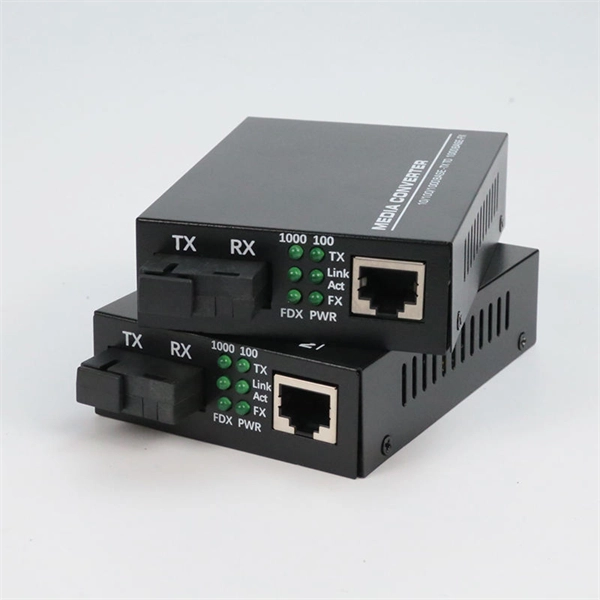
The simplest example of such a single-mode media converter is the Model1100-S Optical amplifiers: In single-mode long-haul fiber optic networks, optical signals can weaken with distance. Optical
A Light Path to the Future: Understanding Single-Mode Optical Fibers
Developed in the late 20th century, these fiber-optic marvels revolutionized telecommunications by enabling fast and reliable data transmissions. Now, single-mode optical fibers are the backbone of
What Is Optical Fiber? Single-Mode vs. Multimode Fibers Explained
Key Differences and Applications The fundamental difference between single-mode and multimode fibers lies in their core size and the number of light paths they can support. Single-mode
The FOA Reference For Fiber Optics
Passive loss is made up of fiber loss, connector loss, and splice loss. Don''t forget any couplers or splitters in the link. If the specifications for a type of system or
Single-Mode Optical Fiber
It can transmit higher bandwidth than multimode fiber but requires a light source with a limited spectral range. The terms single-mode optical fiber,
What Is Single Mode Fiber and How Does It Work
What Is Single-Mode Fiber Single-mode fibers are a special kind of fiber optic cable. They are made to send data fast and far. The core is very small,
Single-Mode vs. Multi-Mode Fiber Optic Cables
One of the main differences between single-mode and multi-mode fiber cables is that multi-mode cables have a larger core that enables several modes of light to travel through the cord at once.
Related Video Reference
This video was associated with the source search result. Verify technical details against current product documentation and project requirements.