
Technical notes
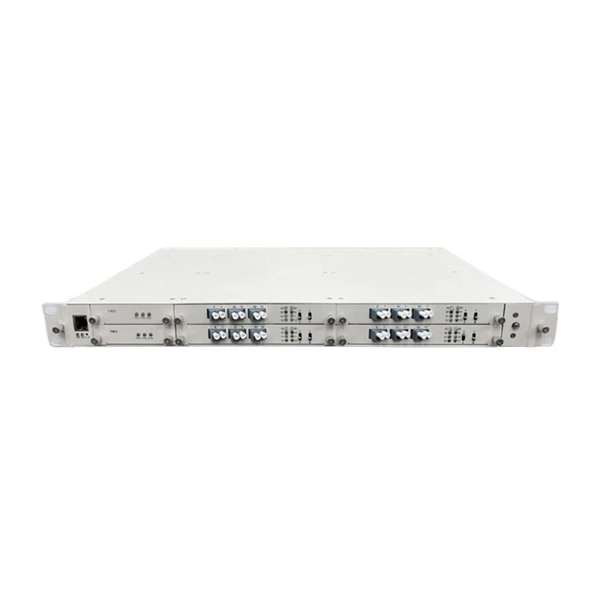
Cisco Transceiver Modules
Cisco Transceiver Modules - Learn product details such as features and benefits, as well as hardware and software specifications.
Cisco Compatible Optical Modules Catalog
EXECUTIVE SUMMARYThis document serves as the definitive technical reference for the Cisco Compatible Optical Modules Catalog, encompassing a comprehensive portfolio
Cisco Compatible Optical Modules Catalog
The catalog is structured around a modular transceiver architecture, adhering sur electrical compatibility with a wide range of Cisco switches and routers. The reach, and optical interface type precise
SR Cisco Explained: SFP+ 10G Multimode Optics Guide
Understand SR Cisco SFP+ modules for 10G multimode fiber links, including specifications, transmission distance, compatibility, and data center use cases.
Optical Networking Fundamentals
Solution for Lower Speed Signals: Dispersion Compensating Unit DCUs use fiber with chromatic dispersion opposite sign/slope and suitable length to bring average dispersion of close to zero.
Complete Guide to Cisco Optical Transceivers (2026)
Complete guide to Cisco optical transceivers including SFP, SFP+, QSFP28 and 400G modules. Learn how to choose the right Cisco compatible transceiver for your network. In modern
Optical Interconnect Technology Analysis: LPO, NPO, CPO
Exploring optical interconnects for AI data centers: LPO for low-power, short-distance links, NPO for high-density, near-package connections, and CPO for ultra-high-bandwidth co
Understanding Cisco Transceiver Modules: A Comprehensive Guide
Explore our comprehensive guide on Cisco transceiver modules, including SFP and optical solutions. Learn about features, benefits, and specifications for optimal network performance.
Cisco Compatible Optical Transceivers Explained (2026 Guide)
This guide explains everything you need to know about Cisco compatible optical transceivers, including how they work, whether they are safe, and why they are widely used across
Optical module
An optical module is a typically hot-pluggable optical transceiver used in high-bandwidth data communications applications. Optical modules typically have an electrical interface on the side that
Cisco QSFP28 100G ZR Digital Coherent Optics
Cisco ® QSFP28 100G ZR extends 100GbE coherent links from QSFP28 ports reaching up to 80km over dark fiber and up to 300km over
How to View Optical Module Status on a Cisco Switch via CLI
In this Cisco Tech Talk, learn how to view the optical module status on a Cisco switch using the Command Line Interface (CLI). This video demonstrates how to...
View the Optical Module Status on a Switch
Article ID:5508 View the Optical Module Status on a Switch Objective The Cisco Small Business Series Switches allow you to plug in a Small Form-factor Pluggable (SFP) transceiver in
What Is an Optical Module and Its FAQs (V200)
What Is an Optical Module and Its FAQs (V200) Describes what an optical module is and FAQs, including the fundamentals, appearance and structure, key performance counters, common types,
Accelerate Your Business with Cisco Optics
These pluggable optics allow you to increase your network''s capacity with maximum flexibility. You can select optical module data rates and fiber lengths to fit your network architecture needs, and plug in
How To View Port Status And Optical Module Information On Cisco
Optical modules work on the switch usually need to read the internal information of the module to understand its working status, such as module connection and real-time collection of light,
Cisco Optics Compatibility Matrix User Manual
Cisco Nexus 9000 Data Sheet Example Introduction The current compatibility matrix allows users, typically Cisco customers and sales, to determine what transceivers are supported in
Multi-mode optical fiber
Multi-mode optical fiber is a type of optical fiber mostly used for communication over short distances, such as within a building or on a campus. Multi-mode links can be used for data rates up to 800 Gbit/s.
Related Video Reference
This video was associated with the source search result. Verify technical details against current product documentation and project requirements.