Skip to content
AK OPTICALSystems Send a project enquiry
Reference library

Communication connection fiber optic cable

Published
  • Communication
  • Connection
  • Fiber
Source context

AI source overview

Fiber optic cables transmit data using light, and connectors enable precise, low-loss connections between cables and devices. Fiber Optic Communication OverviewFiber-optic communication transmits information by sending pulses of light through optical fibers, which act as a carrier wave for data. This method is preferred over electrical cabling for high bandwidth, long-distance transmission, and immunity to electromagnetic interference.

Fiber optics are widely used for telephone signals, internet, cable TV, and industrial applications, and they can carry voice, video, and telemetry across local and long-distance networks ( ).

Types of Fiber Optic Cables

Fiber optic cables are categorized mainly into single-mode and multi-mode types: Single-mode cables: Have a small core (typically 8–10 µm) and are used for long-distance communication with minimal signal loss. They are ideal for telecommunications and intercity networks ( ). Multi-mode cables: Have a larger core (50–62.5 µm) and are suitable for shorter distances, such as within data centers or office LANs, offering higher data transmission rates over limited distances ( ).

Cable construction also includes jacket types for protection, such as OFNR (riser), OFNP (plenum), and LSZH (low smoke zero halogen), which are chosen based on installation environment and fire safety requirements ( ).

Fiber Optic Connectors

Connectors are mechanical devices that align and join optical fibers, allowing light to pass with minimal loss. Unlike splicing, connectors are reusable and allow easy disconnection, which is essential for maintenance and network flexibility ( ). Common connector types include: LC (Lucent Connector): Small form factor, 1.25 mm ferrule, ideal for high-density applications in data centers.

Compatible with single-mode and multi-mode fibers ( ).

S

C (Subscriber Connector): Square shape, push-pull coupling, widely used in FTTH and legacy installations. SC/APC variants reduce return loss for sensitive applications ( ).

S

T, FC, MTRJ, MPO/MTP, E2000: Used in various industrial, telecom, and high-density environments, differing in ferrule size, coupling mechanism, and fiber count ( ). Connectors are also classified by polishing style: PC (physical contact), UPC (ultra-physical contact), and APC (angled physical contact), which affect signal reflection and insertion loss ( ).

Connecting Fiber Optic Cables

Proper connection is critical to maintain performance. Key steps include: Preparation: Clean connectors and ports to remove dust or debris. Cable cutting and cleaving: Use a cleaver for precise fiber ends.

Connector attachment: Use connector kits or fusion splicing for permanent joins. Installation considerations: Maintain proper bend radius, avoid exceeding pulling load, and select compatible connectors for single-mode or multi-mode fibers ( ). Fiber optic transceivers convert electrical signals to optical pulses, interfacing with connectors and cables to complete the communication link ( ).

Summary

Fiber optic cables and connectors form the backbone of modern high-speed communication networks. Choosing the right cable type, connector, and installation method ensures minimal signal loss, high reliability, and long-term network performance. Proper understanding of single-mode vs. multi-mode fibers, connector types, and installation best practices is essential for both small-scale LANs and large-scale telecommunications systems ( ).

Research context

Reference summary

A fiber-optic cable, also known as an optical-fiber cable, is an assembly similar to an but containing one or more that are used to carry light. The optical fiber elements are typically individually coated with plastic layers and contained in a protective tube suitable for the environment where the cable is used. Different types of cable are used for in different applications, for exa.

Additional context

Source notes

A fiber-optic cable, also known as an optical-fiber cable, is an assembly similar to an but containing one or more that are used to carry light. The optical fiber elements are typically individually coated with plastic layers and contained in a protective tube suitable for the environment where the cable is used. Different types of cable are used for in different applications, for exa…

From reference to enquiry

Questions for your project

Use these editorial prompts alongside the linked excerpts. They identify items to confirm for your project.

Technical notes

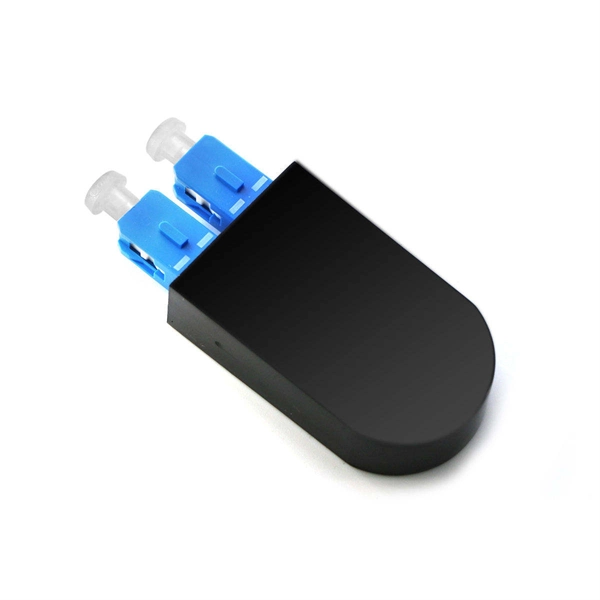
Illustrative equipment image

Fiber-optic cable

OverviewDesignPerformanceCable typesColor codingHybrid cablesInnerductsSee also

A fiber-optic cable, also known as an optical-fiber cable, is an assembly similar to an electrical cable but containing one or more optical fibers that are used to carry light. The optical fiber elements are typically individually coated with plastic layers and contained in a protective tube suitable for the environment where the cable is used. Different types of cable are used for fiber-optic communication in different applications, for exa

How to Connect Fiber Optic Cable: Comprehensive Guide

This article will guide you through the necessary tools, materials, and methods on how to connect fiber optic cables effectively, ensuring you achieve

Understanding Fiber Optic Communication System: Working,

The fiber optic communication system illustrated in the diagram is essential to the digital age. It takes electrical signals, turns them into light, transmits them through glass fibers, and

Fiber Optic Connectivity

Fiber optics enable the communication of data over long distances with minimal losses during transmission, and with higher connection speeds for

Fiber Optic Cable Types: A Complete Guide

Fiber optic cables use light to transmit data, whereas traditional cables rely on electrical signals, which are more prone to interference and loss over

Fiber Optics and Types

Fibre optics, with its high bandwidth, low electromagnetic interference, and resilience, is critical for modern telecommunications, internet, medical, and military applications. Despite greater

Fiber-Optic Communication

Fiber optic communication (FOC) is defined as a communication infrastructure that utilizes optical fibers to provide reliable data transmission with strict Quality of Service and nearly unlimited bandwidth,

Fiber Optic Connector Types: A Beginners Guide

The fiber connector types, sometimes referred to as terminations, link fiber optic cables together through terminals, switches, adapters, and patch

What Is Fibre Optics & How Does It Work? | Neos

In this blog post we''ll explore fibre optics and the role of fibre optic networks in communications and connectivity. We''ll answer questions around

Fiber Optic Basics | Optical Fiber 101 | Corning

Use our fiber 101 tutorials and videos and get the fiber optic basics to learn why optical fiber has fundamentally changed and improved communication.

Fiber Optic Communication System : Basic Elements

The fiber optic cables replace the electrical cables whenever long distance, high bandwidth, and resistance to electromagnetic interference are necessary. Fiber

Optical fiber

An optical fiber, or optical fibre, is a flexible glass or plastic fiber that can transmit light from one end to the other. Such fibers are widely used in fiber-optic communication, where they permit

Fiber Optic Data Communication | Instrument Connection and

Fiber Optic Data Communication Light has long been used as a long-range signaling medium. While communication by light through open air is still possible using modern technology, it is far more

How optical communication cables work and how they differ from

In several articles, I mentioned optical fibre in the context of substation automation, protection signaling, communication between electrical devices, LAN communications, etc. Now I will

What Is Optical Fiber Technology, and How Does It Work?

What you may not have seen are the real glass fiber optic cables that are now the foundation of our communication and computer networks. Many thousands of

Principles of Optical Fiber Communications

Fiber Optics An optical fiber can be understood as a dielectric waveguide, which operates at optical frequencies. The device or a tube, if bent or if terminated to radiate energy, is called a waveguide, in

Multi-mode optical fiber

Multi-mode optical fiber is a type of optical fiber mostly used for communication over short distances, such as within a building or on a campus. Multi-mode links can be used for data rates up to 800 Gbit/s.

Fiber Optic Cables: Advantages, Disadvantages, and

As the need for high-speed, secure data transmission increases, fiber optic cables have become a critical component in modern communication

Related Video Reference

This video was associated with the source search result. Verify technical details against current product documentation and project requirements.

Share your network requirements

Share the fiber interfaces, termination capacity, cable route and evidence required for handover.

Send a project brief