
What does an optical transceiver do?
Optical modules are mainly packaged by optoelectronic devices TOSA/ROSA, functional circuits and optoelectronic interface components. The optical t...
Search optical fiber, connectivity, cable management and network infrastructure references.

Cabling: The Complete Guide to Copper and Fiber-Optic Networking, 5th Edition is the industry-leading guide to helping you develop the skills you need to design and build reliable, cost-effective cabling infrastructure. The fourth edition of this popular guide provides you...
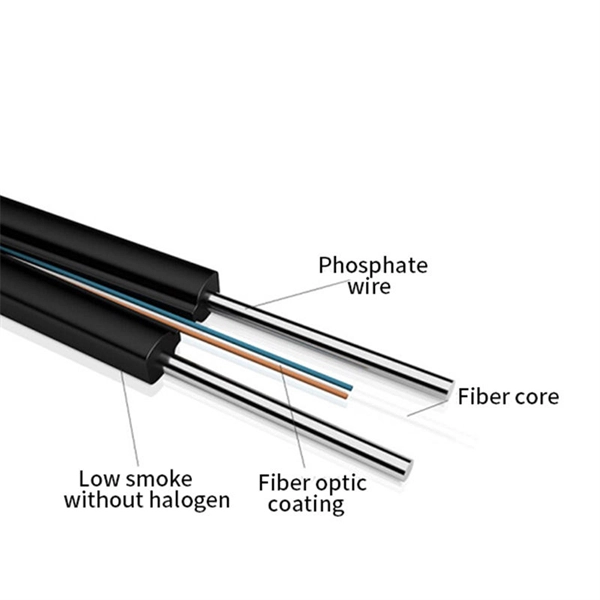
Converting Electrical Signals to Optical Signals: The optical transceiver receives electrical signals from network equipment, such as a router or switch. In simple terms, it converts electrical signals from network devices (like routers or switches) into optical. A fiber...
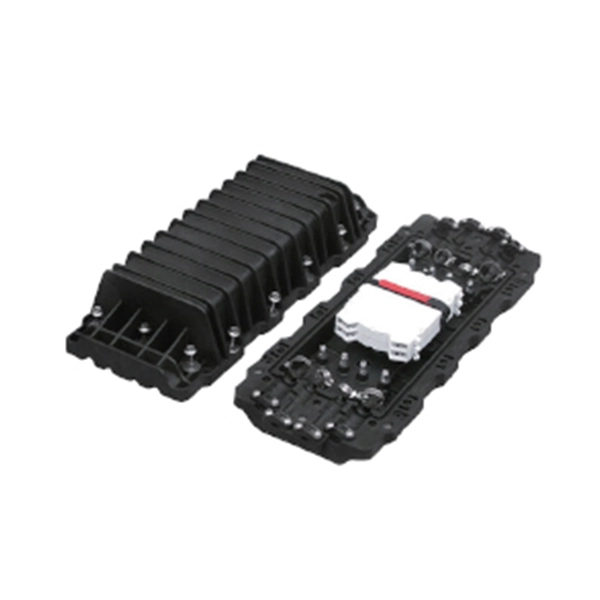
Product Overview & Key Features This 800G OSFP (Octal Small Form-factor Pluggable) optical transceiver is a high-performance module engineered for the next generation of ultra-high-bandwidth networks. Designed for AI-driven data centers and high-performance computing (HPC)...
[PDF Version]
Digital Diagnostic Monitoring (DDM), also known as Digital Optical Monitoring (DOM), is a key feature in modern optical transceivers. It allows real-time monitoring of important operational parameters, helping maintain network performance, detect faults early, and simplify...
Theoretically, 10G optical modules should be able to be backward compatible with Gigabit optical ports, because the rate of 10Gbps can include the rate of 1Gbps. Gigabit optical ports, also known as 1G optical ports, are optical modules used to transmit 1Gbps data rates. They...
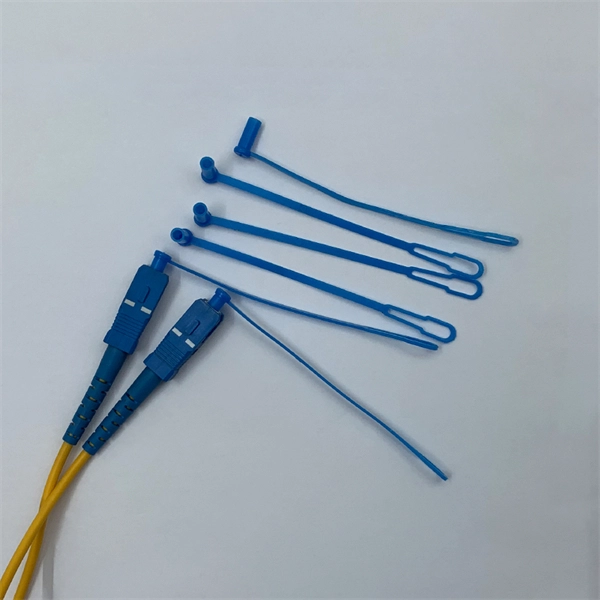
ETU- LINK optical modules are compatible with major brands such as Huawei, H3C, Ruijie, Cisco, Juniper, ZTE, HP, Arista, Aruba, Alcatel-Lucent, VOLKTEK, etc., covering multiple application scenarios including data centers, enterprise networks, 5G base stations, and. View...
[PDF Version]Optical modules are mainly packaged by optoelectronic devices TOSA/ROSA, functional circuits and optoelectronic interface components. The optical t...
The upstream industry of optical modules mainly includes optical chips, optical components and optical devices, and the downstream industry mainly...
Lorem ipsum dolor sit amet, consectetur adipiscing elit. Ut elit tellus, luctus nec ullamcorper mattis, pulvinar dapibus leo.

Multimode Fiber-Optic EIA-485 Transceivers Safely add isolated segments to multidrop and point-to-point EIA-485 networks, separated by up to 4 kilometers. Improve safety, signal integrity, and reliability by using two optical fibers instead of wire to transfer bidirectional...
[PDF Version]
Comprehensive guide to selecting and deploying NVIDIA 800G optical modules. Learn about optical link budget calculations, QSFP-DD/OSFP compatibility, deployment checklists, and best practices for successful 800G implementation in data center environments. Cisco ® QSFP-DD and...
[PDF Version]
T1-SFP-1G-SX is a high-performance, cost-effective module with a Duplex LC optics interface, Standard AC coupled CML for high-speed signal, and LVTTL control and monitor signals. 5G SFP MODULE solutions deliver exceptional reliability and cost-effectiveness for campus...
[PDF Version]
The definitive guide to the QSFP optical module series (40G, 100G, 400G, 800G). Learn the technical differences, evolution path, and optimal selection criteria for QSFP+, QSFP28, QSFP-DD, and OSFP transceivers. In today's high-speed networking environment, selecting the right...
[PDF Version]
An optical transceiver module, often simply called an optical module, acts as a signal conversion interface in fiber optic networks. It transforms high volumes of electrical signals into optical signals for transmission over fiber cables, or reverses the process at the...
[PDF Version]Share the fiber interfaces, termination capacity, cable route and evidence required for handover.