
What is inter-VLAN routing?
You can forward traffic from one virtual LAN to another and this technique is called inter-VLAN routing.
Search optical fiber, connectivity, cable management and network infrastructure references.
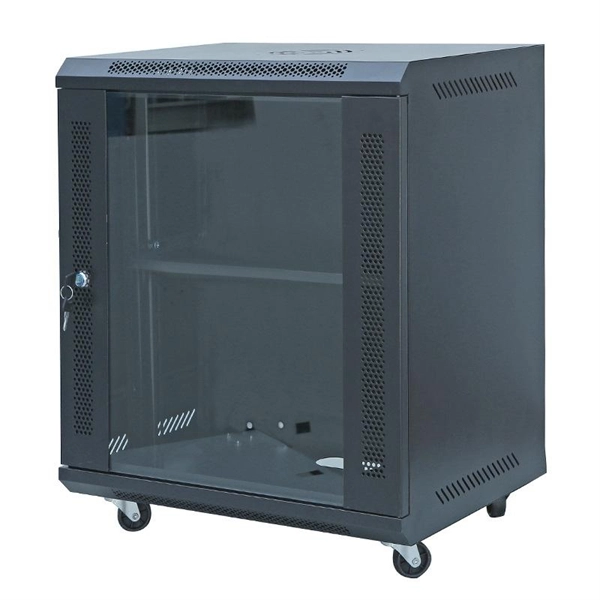
From experience, two monitoring techniques stand out for getting the job done: SNMP (Simple Network Management Protocol) and Network Performance Monitoring (NPM) solutions. What is a Core Switch? A core switch is the primary switch installed at the backbone of a layered or...
[PDF Version]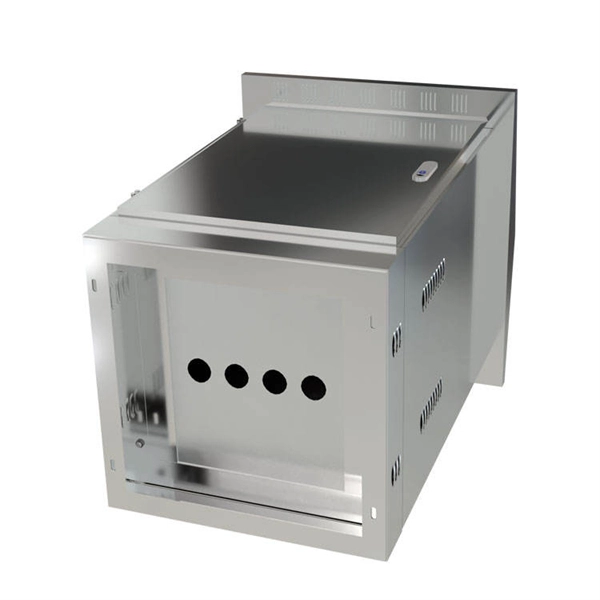
The L3-10XGF12 series supports flexible gigabit access and scalability of high-density 10G ports. All models provide fixed 10G fiber ports, With high switching capacity, the L3-10XGF12 support wire-speed L2/L3 forwarding and high routing performance for IPv4 and IPv6...
[PDF Version]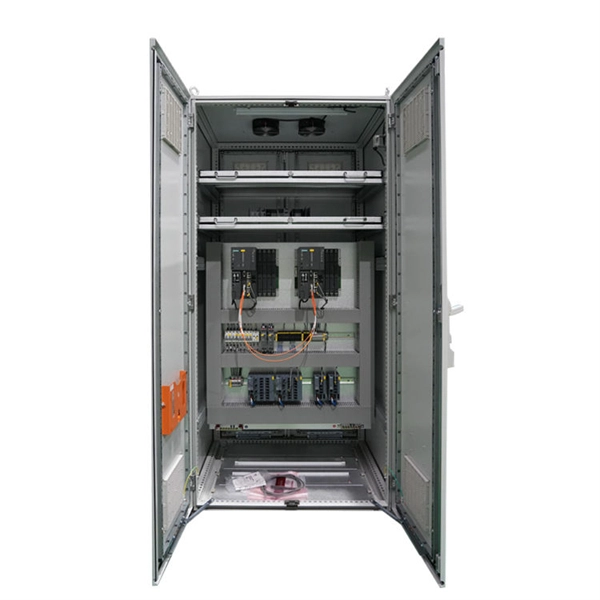
This document provides a sample configuration for Inter VLAN routing with a Catalyst 3850 series switch in a typical network scenario. The document uses two Catalyst 4500 series switch as Layer 2 (L2) s.
[PDF Version]You can forward traffic from one virtual LAN to another and this technique is called inter-VLAN routing.
VLANs can be used to enforce security, creating different zones of security levels for different users or applications. However, in many cases, it...
There are three types of inter-VLAN routing and these are: Legacy Inter-VLAN routing Uses a router with several Ethernet sockets, linking each to a...
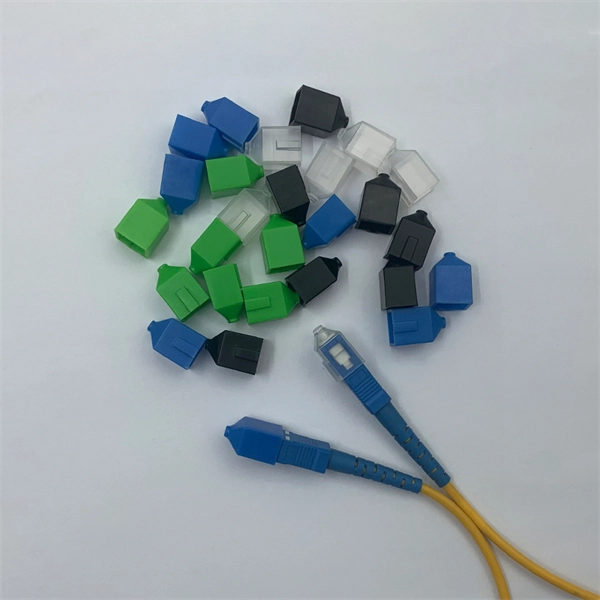
In B2B networking, the MAC address table size—typically 16K or 32K entries—determines how many unique devices a switch can learn before flooding traffic. Choosing the wrong capacity leads to broadcast storms, packet loss, and core backbone congestion. A MAC address table...
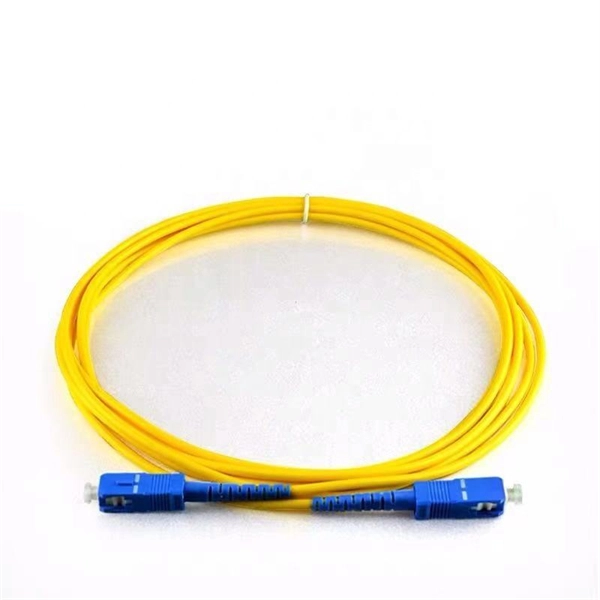
Built on Huawei's unified Versatile Routing Platform (VRP), CloudEngine S5731-S switches provide enhanced Layer 3 features, simplified Operations & Maintenance (O&M), Intelligent Stack (iStack) technology — allowing multiple stacking-capable switches to function as a single...
[PDF Version]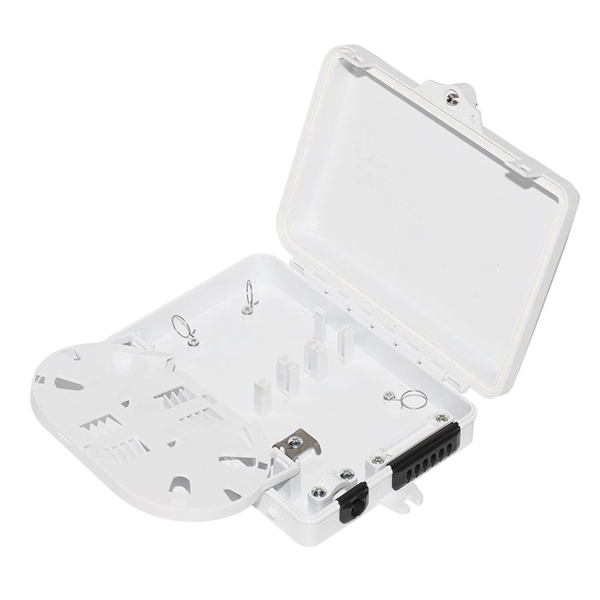
Move the cable to a known good port to troubleshoot a suspect port or module. The show module command can indicate faulty, which can indicate a hardware problem. The Spanning Tree Protocol (STP) is a means for the bridges or switches to organize themselves into a hierarchy...
[PDF Version]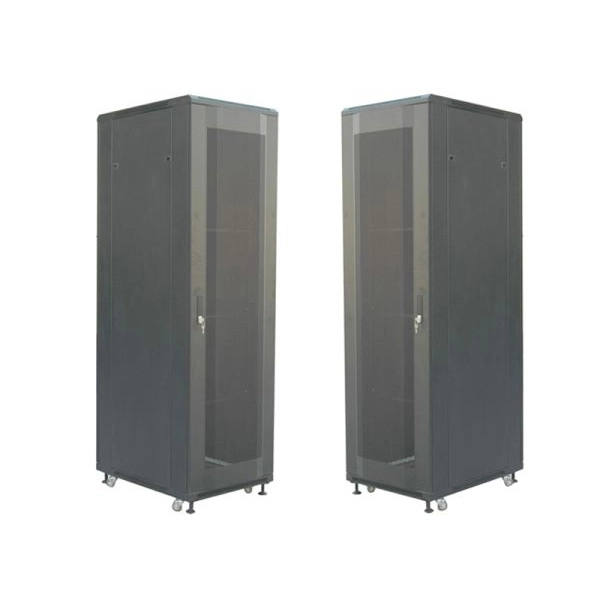
Core Switches performance monitoring OpManager monitors Core Switches for health and performance. With the help of our Core Switches device template, you c.
[PDF Version]You can monitor the traffic on a switch by using a monitoring tool that is able to communicate with a traffic statistics protocol, such as NetFlow,...
Port mirroring duplicates traffic on a port and you can set it up to direct that stream to a file or into a packet analysis tool.
Port mirroring and port forwarding are two different actions. Port forwarding is a pointer that automatically sends all traffic arriving on one por...
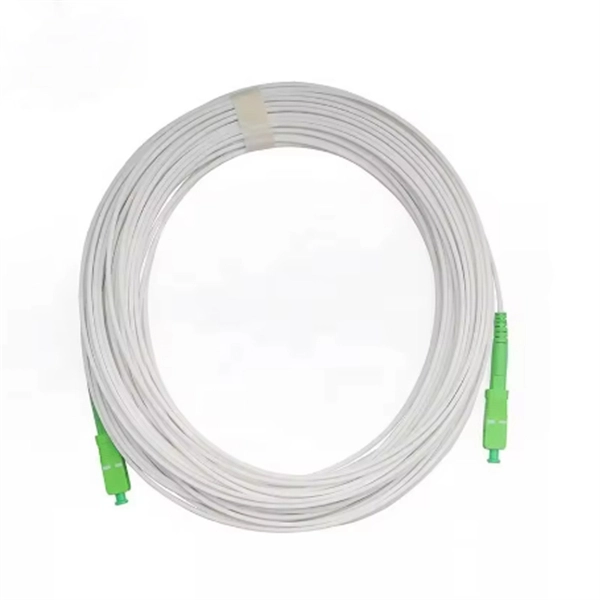
On the other hand, 10Gb Ethernet is the clear winner for your network's core. It is essential for connecting servers, storage systems, and switches, preventing bottlenecks where data traffic is heaviest. How to Choose between a Gigabit Ethernet Switch and a 10 Gigabit...
[PDF Version]
With up to 48 10 GE downlinks and 40/100 GE uplinks, the S6730‑H series supports bandwidth-hungry access and spine layers—perfect for Wi‑Fi 6 APs, 4K/8K video, and virtualization workloads. Positioned perfectly as an Aggregation Switch or Core Switch, the S6730‑H delivers...
[PDF Version]
Verify that the fiber optic cables and terminal blocks are compatible with the switch core. Review installation guidelines and specifications provided by the manufacturer. Of course, this assumes you're using the correct transceivers and fiber between the devices you're...
[PDF Version]Share the fiber interfaces, termination capacity, cable route and evidence required for handover.