
Cross Sectioning A Look Into Why Fiber Optic Connectors Fail
Search optical fiber, connectivity, cable management and network infrastructure references.
- Cross
- Sectioning
- Look
Articles and technical references
10 on this page-
Why can fiber optic gratings emit light
At their core, fiber optic gratings are periodic modulations of the refractive index within the core of an optical fiber. These modulations create a structure that interacts with light in a predictable manner, primarily through the phenomenon of Bragg diffraction. This...
[PDF Version]
-
Why are fiber optic patch cords difficult to plug and unplug
Tight or stretched cords will pull on connectors, and too much slack complicates cord management, making the panel more difficult to work on. Unlike backbone cables, patch cords are frequently connected, disconnected, bent, and handled by technicians, making them the most...
[PDF Version]
-
Does fiber optic cable need a coupler Why
Fiber optic adapters, also known as couplers, play a crucial role in fiber optic networks by providing a connection point between two fiber optic connectors. Pick the right coupler for your needs. Note that the term fiber coupler is used with two different meanings: It can be...
-
Does fiber optic cable need a terminal box Why
Fiber Termination Box, also known as FTB, typically consists of two main parts: the outer shell body and the adapter tray that protects the fiber connector points. It is a crucial component in fiber optic networks, primarily used for terminating, connecting, and managing...
[PDF Version]
-
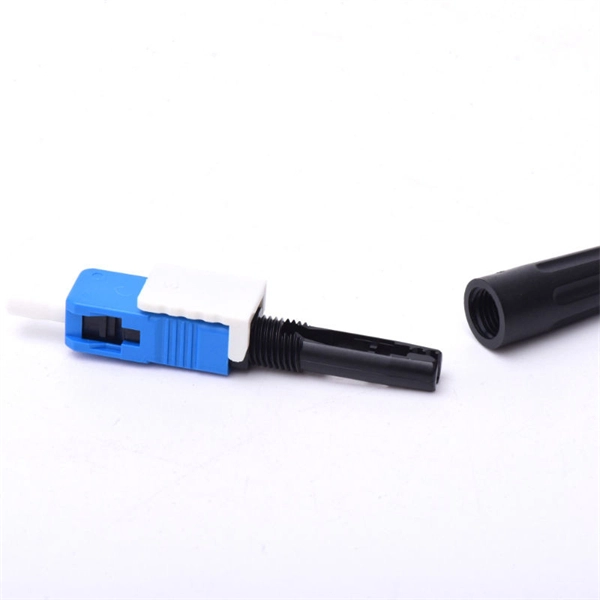
How to make fiber optic patch cords look neater
Use cable managers, lacing bars, and labels to keep cables neat. Tip: Pick the patch cord that fits your network's needs for the best results. Yellow is for single-mode, orange is for multimode, and aqua is for laser-optimized multimode. Understanding their importance and...
[PDF Version]
-
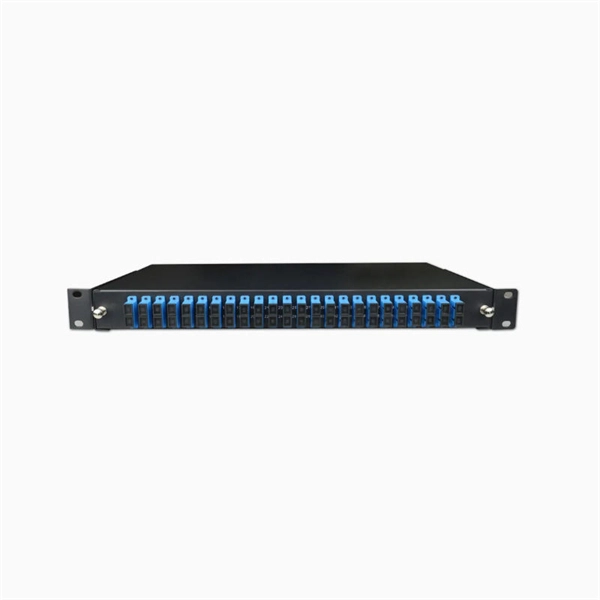
Do indoor fiber optic cables have a span Why
The maximum distance a light signal can travel before needing a boost or cleanup is known as the fiber span. A fiber span refers to the physical length of the optical fiber between any two active network devices. Fiber optic cables have a reputation for their prolonged...
[PDF Version]
-
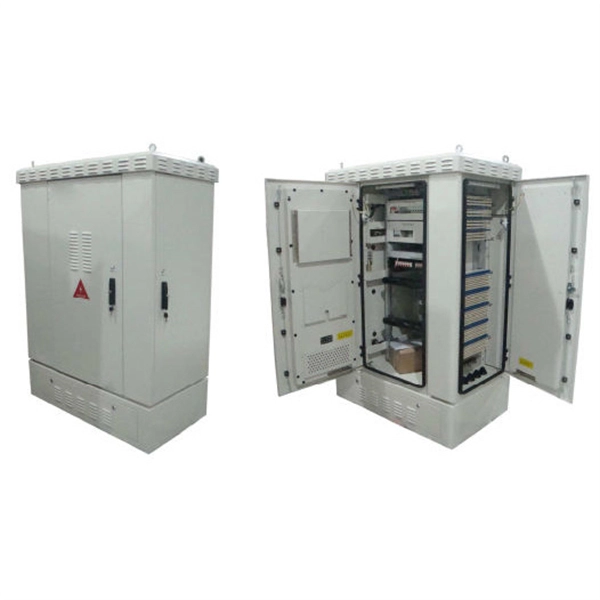
Why do fiber optic splice boxes make unusual noises
Even small splice mistakes like dirt or misalignment can cause major signal loss. Seasonal weather changes (freeze–thaw cycles, humidity shifts) affect splice durability. Reliable diagnostics using tools like OTDR help catch issues before they escalate. Excessive thickness...
[PDF Version]
-
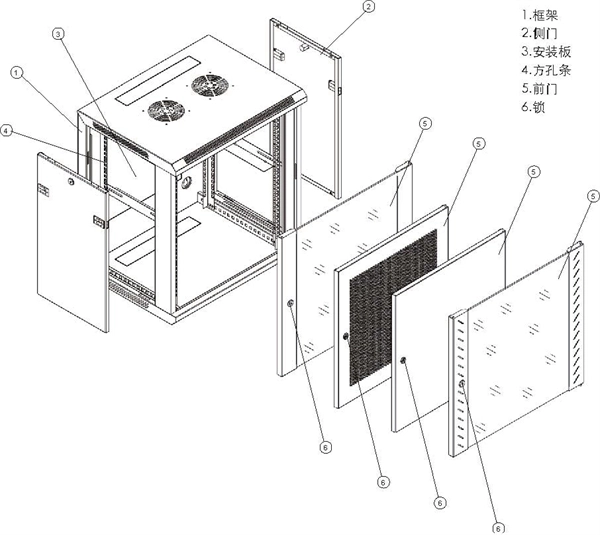
Why does the fiber optic cable move
Fiber optics work by using total internal reflection to guide light through thin glass or plastic fibers. Light entering the fiber at angles greater than the critical angle reflects off the fiber walls, bouncing along the fiber without escaping. A fiber-optic cable, also...
-
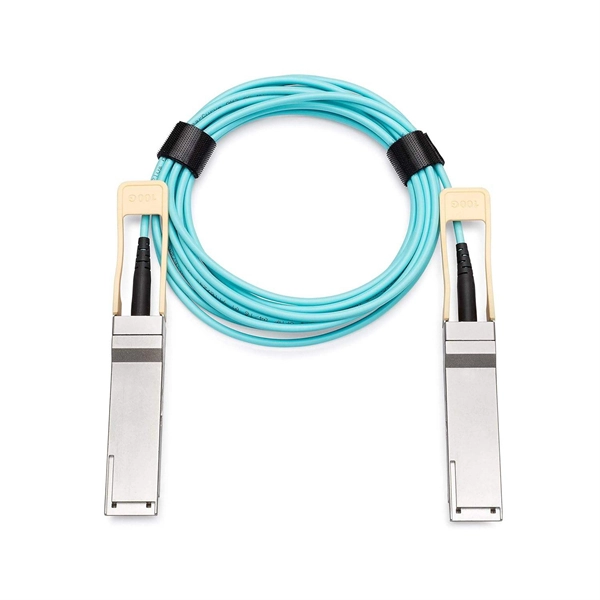
Why are there no fiber optic cables anymore
With tariffs driving up the cost of imported fiber optic cables, supply chains are getting squeezed. That's a problem, considering fiber optics are the backbone of modern communications, powering everything from global internet traffic to national defense systems. Instead, it...
[PDF Version]
-
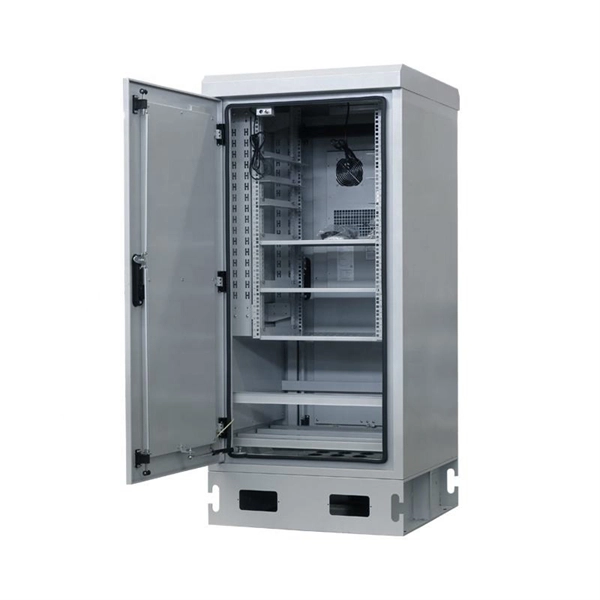
Does fiber optic communication require cabling Why
A fiber optic cable is a cable that uses thin fibers of glass or plastic to transmit data as light signals. These cables work based on the principle of light refraction, which allows them to carry information across long distances, unlike regular copper wires, which use...
[PDF Version]