
Demystifying Fiber Test Methods Back To Basics
Search optical fiber, connectivity, cable management and network infrastructure references.
- Demystifying
- Fiber
- Test
Articles and technical references
11 on this page-
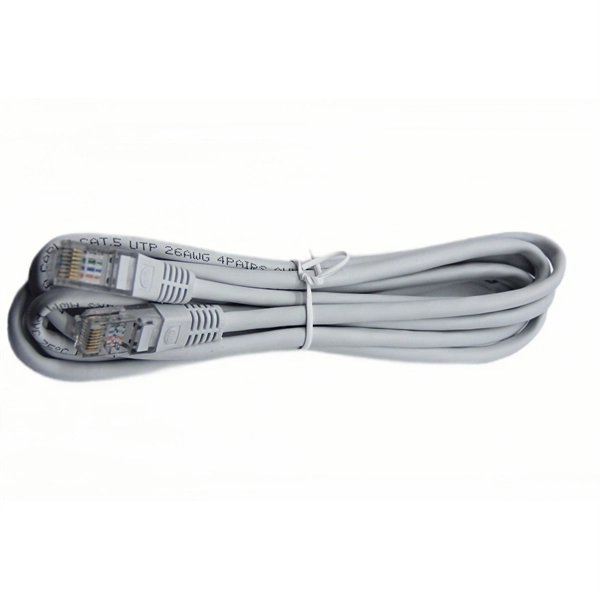
Fiber Optic and Cable Terminal Connection Methods
This article compares connector terminations, mechanical splicing, and fusion splicing, explaining when each technique is preferred in 2024 deployments. Unlike fiber splicing, which is permanent, connectors allow for easy connection and disconnection of cables, making them...
[PDF Version]
-
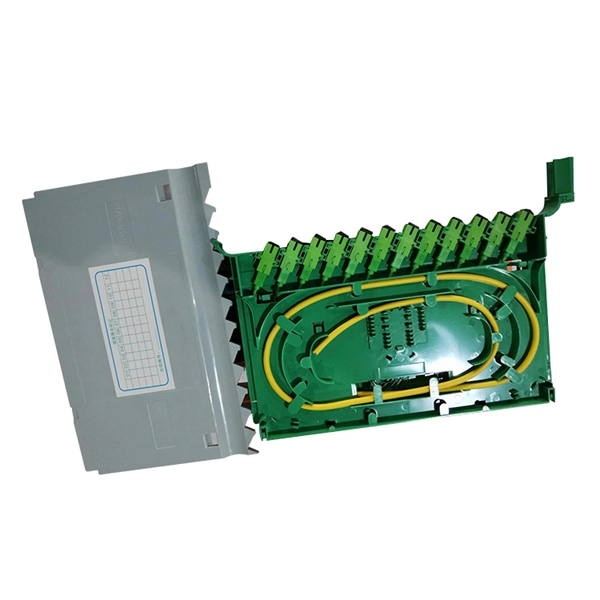
Fiber optic cable laying methods are divided into
The routes for laying fiber optic cables may involve ducts, subterranean channels or elevated paths. Installation typically employs two techniques: pulling and blowing. Each method offers distinct advantages and is tailored to specific environmental considerations. Trenching...
[PDF Version]
-
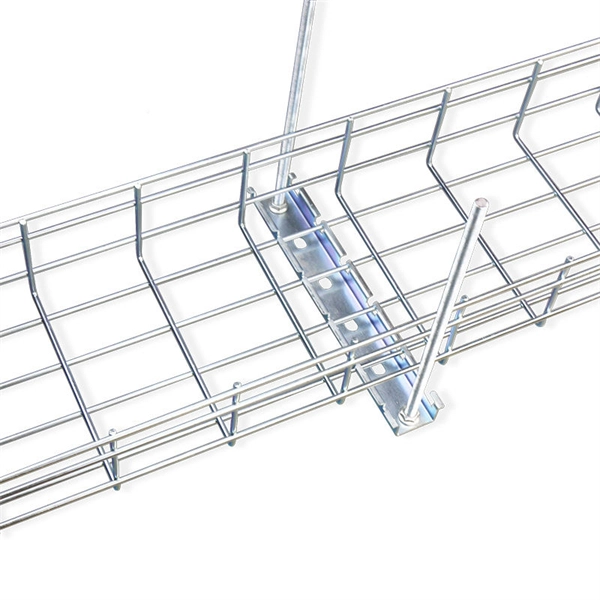
Fiber optic pigtail tensile test
The tensile test is conducted as per the IEC test procedure and measurements are made in order to analyze the fiber attenuation as a function of the load on the cable during installation. The Tensile strength test is performed according to IEC 60794-1-2 Method E1. Fiber...
[PDF Version]
-
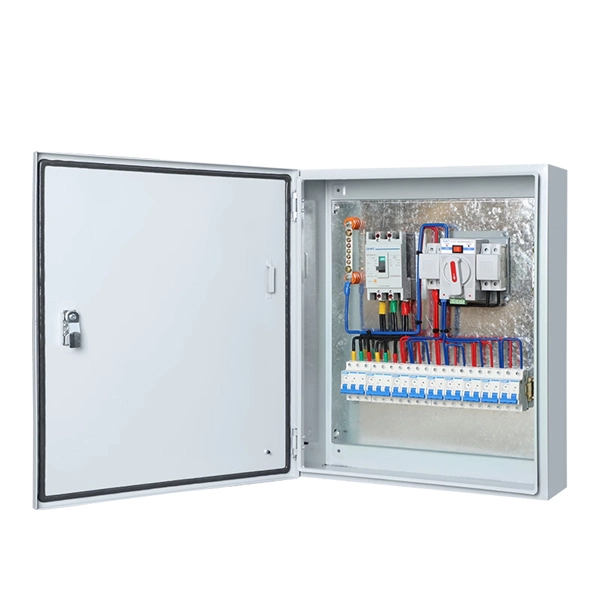
Red light pen test for fiber optic cable breakage
A VFL is used to detect faults, breaks, or bends in fiber optic cables by emitting a bright red light that is visible even through the fiber's jacket. It's a cost-effective and. Check each product page for other buying options. Compatible with SC, ST, FC, and E2000...
[PDF Version]
-
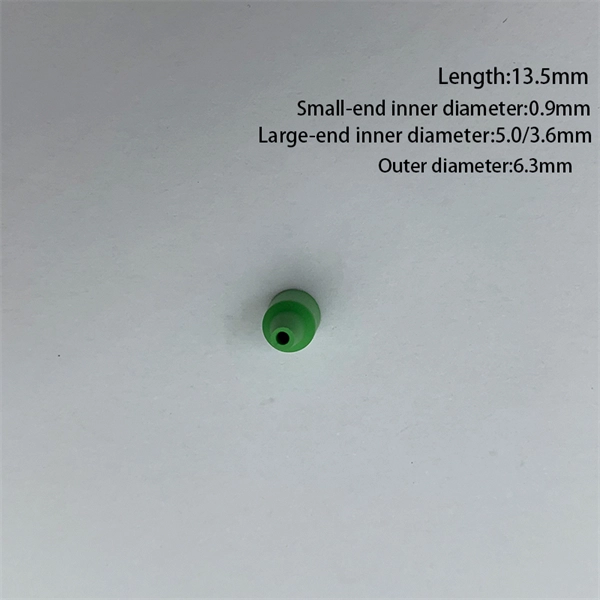
Methods for pulling fiber optic cables on utility poles
This helps keep fiber optic cables safe from harm and signal problems when you put them in. Aerial installation is generally much less costly than underground construction also. Loads that exceed the ratings may increase attenuation in the fibres up to the point of causing...
-
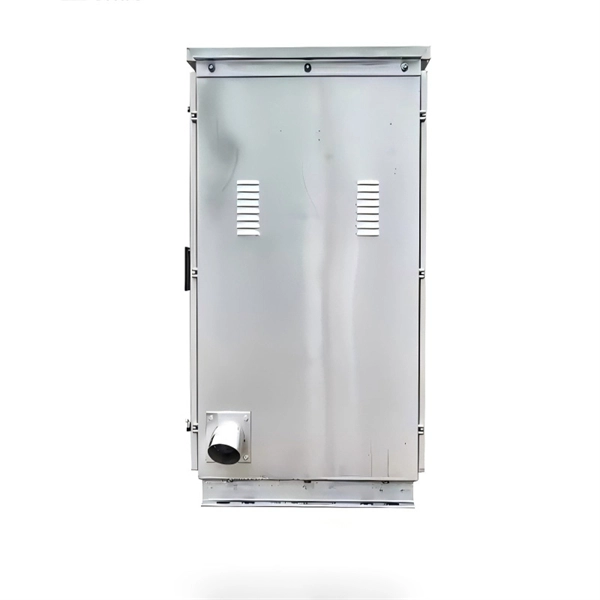
How to test if fiber optic cable is connected to a switch
This article will guide you through the process of checking fiber optic cables in a Cisco switch, covering both physical inspection and software diagnostics. Before delving into software diagnostics, it is essential to perform a physical inspection of the fiber optic cables...
-
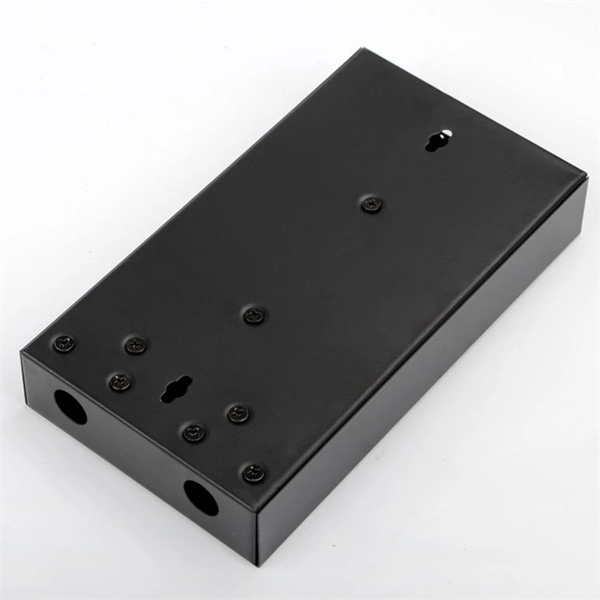
Methods for inspecting fiber optic cable junction boxes
Effective fiber testing utilizes advanced tools such as Optical Loss Test Sets (OLTS), Optical Time-Domain Reflectometers (OTDR), and Visual Fault Locators (VFL) to diagnose and correct issues, ensuring optimal network performance. There are three main principles that needs...
[PDF Version]
-
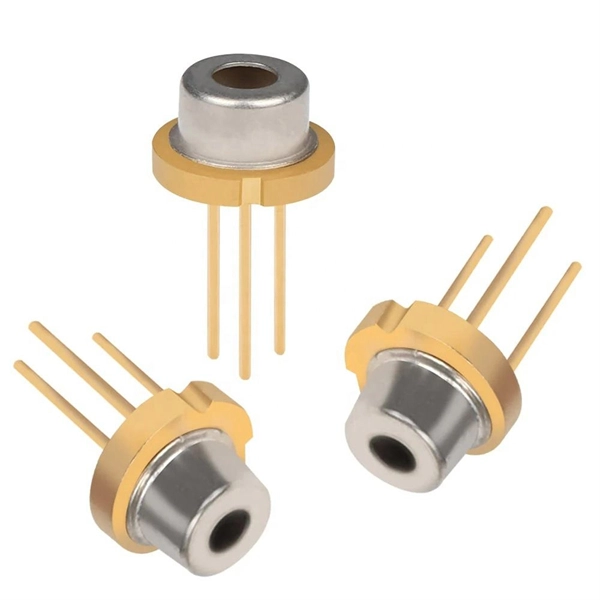
Methods for Quick Splicing of Fiber Optic Cables in Computer Rooms
For Fusion Splicing: Place both fiber ends into a fusion splicer. The machine automatically aligns them using core or cladding alignment technology, then fuses them with an electric arc. But what happens when you need to join two cables to extend a network or repair a break?...
[PDF Version]
-
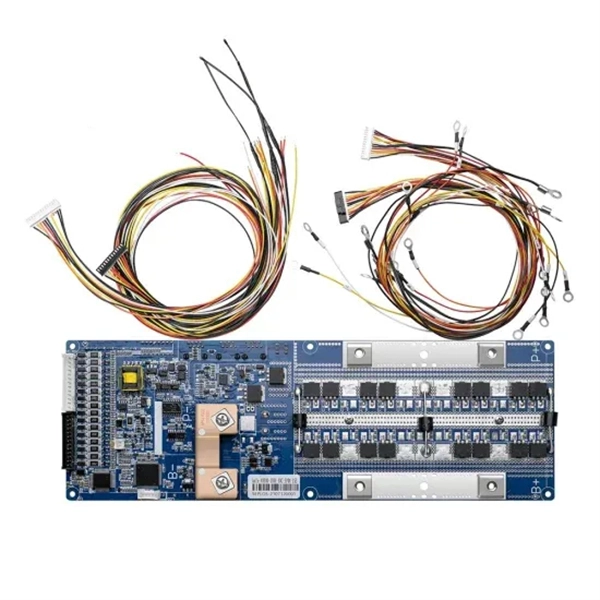
Termination methods for SC fiber optic connectors
There are several methods to terminate SC fiber connectors. It is important to follow the correct method for your particular. Optical fiber terminations are the mechanical and optical interfaces that connect fiber cables to equipment, patch panels, and network hardware. SC...
-
Fiber Optic Level 1 Test Patch Cord Specifications
Fiber optic patch cables are ideal for supporting high speed telecommunication network fiber applications. They are manufactured and tested in compliance with TIA 604 (FOCIS), IEC 61754 and YD/T industry s.
-
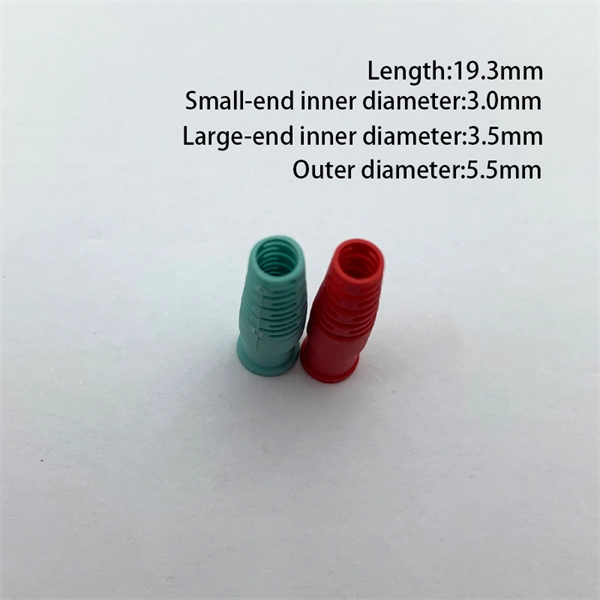
Fiber Optic Cable OTDDR Test Results
The Optical Time Domain Reflectometer (OTDR) is useful for testing the integrity of fiber optic cables. Download free OTDR Trainer Software for PCs After you study this page, you can download a free OTDR Trainer to run on your PC. It can verify splice loss, measure length and...
[PDF Version]