
Differential 87 Current Protection
Search optical fiber, connectivity, cable management and network infrastructure references.
- Differential
- Current
- Protection
Articles and technical references
11 on this page-
What type of current transformer is used for relay protection
Protection CTs (5P20) feed into numerical protection relays for overcurrent, differential, and earth fault protection. Understanding. How are current transformers used in protection systems for power grids and substations? Current transformers (CTs) are the primary sensing...
-
32-connection busbar differential protection
The high-impedance differential relay scheme is one popular method we use for busbar protection. Busbar protection (BBP): Protection intended to detect and operate to clear faults on a busbar. Current Differential Protection: This protection method connects CT secondaries in...
[PDF Version]
-
Relay protection fails to apply current
Any relay may fail to be operated due to any of the following reasons, The protective relay itself is defective. The trip coil in the circuit breaker. Used relays (that have been installed or have switched any load current) must be tested for functionality at much higher...
[PDF Version]
-
Relay protection differential circuit
Differential protection is a power system relay method that compares current entering and leaving a protected zone. What controls it: CT location, CT polarity, CT ratio, transformer. A Relay is one type of switch used to turn ON or OFF a high current and high voltage-based...
-
Branch current in relay protection
Circuit Protection Methods The branch circuit protection is applied at no more than 80% of the continuous current values unless marked for 100% current rat.
[PDF Version]
-
Principle of Current Relay Protection Devices
In electrical engineering, a protective relay is a relay device designed to trip a circuit breaker when a fault is detected. Based on Operating Principle Electromechanical Relays: Work using moving parts and electromagnetic forces (traditional relays). Static Relays: Use...
[PDF Version]
-
How to set the current for thermal relay protection
For thermal overload protection (ANSI Device 49), the pickup is typically set at 115% to 125% of motor full-load amps depending on service factor. For overcurrent. The full-load current at a given voltage indicated on the nameplate is normative for setting the overload relay...
[PDF Version]
-
Requirements for Level 3 Protection of Workshop Distribution Boxes
Technical Requirements Maximum discharge capacity: 20kA per phase or lower. Voltage protection level: ≤ 1800V. Level 3 protection is the final barrier of the system, capable of fully eliminating any transient overvoltage that may occur, ensuring the long-term stable operation...
[PDF Version]
-
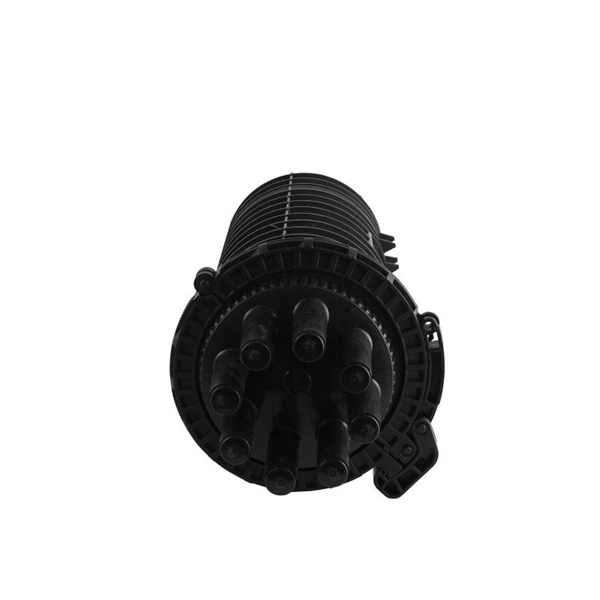
Relay Protection Principles 13
Also principles of various protective relays and schemes including special protection schemes like differential, restricted, directional and distance relays are explained with sketches.
-
Relay protection is basically available in all of them
Distance Relay: Operates based on impedance, commonly used in transmission line protection. Earth Fault Relay: Detects leakage currents to the ground. Frequency Relay: Trips when frequency. Protective Relay Definition: A protective relay is an automatic device that senses...
-
Relay protection technicians can
Relay technicians install, test, and maintain the protective systems that keep electricity flowing safely. This handbook covers the code of practice in protection circuitry including standard lead and device numbers, mode of connections at terminal strips, colour codes in...