
Technical notes
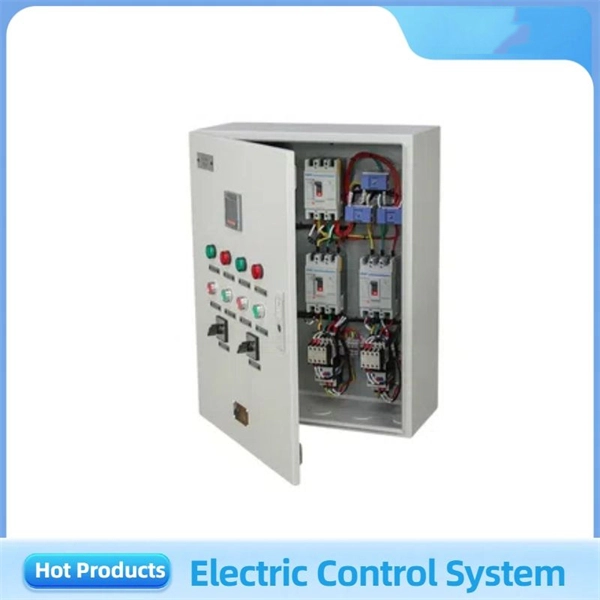
Distribution System Grounding
Grounding is a mechanism to protect distribution equipment and people under normal operating conditions, abnormal operational (overcurrent and overvoltage) responses, and hazardous conditions
Grounding system construction: key points for grounding distribution
Everything looks perfect until the moment of truth arrives. That''s why today we''ll break down the life-or-death details of grounding distribution boxes and cable shielding layers using plain
Grounding Practices in Power Distribution Systems
Grounding Electrodes: Grounding electrodes, which can be rods or plates, are inserted at regular intervals along the cable route in order to offer additional grounding routes.
Grounding & Bonding-Temporary Power Generation and Electrical
This paper using simple terms and examples will discuss the grounding and bonding system as it relates to both permanent and temporary electrical system installations, specific
Grounding System Installation Standards for Distribution Boxes and
Your distribution box is mission control for electricity in any building. When grounding fails here, it''s like having a spaceship without a heat shield—everything inside becomes vulnerable to
Distribution System Grounding
Summary Good system grounding provides the path for normal load and fault currents while maintaining load and controls temporary overvoltages. Good equipment grounding ensures
29 CFR 1926.962 -
This section covers grounding of transmission and distribution lines and equipment when this subpart requires protective grounding and whenever the employer chooses to ground such lines and
DISTRIBUTION BOX
Each DISTRIBUTION BOX and controller must be grounded. On the US market, a 5.26 mm 2 (10 AWG) ground wire must be used, and in all other markets a 6 mm 2 must be used.
1048-2016
This guide suggests several practices, technical information, and safety criteria for temporary protective grounding of power lines during de-energized maintenance.
GROUNDING OF UTILITY AND INDUSTRIAL DISTRIBUTION
Essentially this workshop is broken down into system grounding, protective grounding and surge/noise protection of power and electronics systems normally found in distribution networks. A brief
what is a temporary power distribution box?
1. Definition and core functions The temporary power distribution box is a power distribution device designed for short-term power consumption
Transmission Line Grounding Guide
When distribution electrical equipment shares the same transmission structure, the grounding conductor can be common or kept separate for the transmission and distribution.
Designing Safe Temporary Power Distribution in Ex
Practical guidance for temporary power in Ex zones: selecting cabling, enclosures, grounding, and protection methods. Learn compliance,
1246-2020
The design, performance, use, testing, and installation of temporary protective grounding systems, including the connection points, as used in permanent and mobile substations, are covered in this
Hubbell Power Systems Blog | Temporary Grounding
Temporary Grounding | Get in-depth knowledge on a wide range of solutions for the power and utility market with the Hubbell Power Systems blog. Subscribe and never miss a post.
Temporary Generator Grounding Safety | PDF | Electric Current
Grounding & Bonding; Temporary Power Generation and Electrical Distribution Based on the 2017 “Grounding, bonding and the creation National Electrical Code of an effective ground-fault current
SECTION 260526
Instructions for periodic testing and inspection of grounding features at test wells, ground rings, grounding connections for separately derived systems, shall be based on NFPA
what is a Distribution Box
In electrical systems, a distribution box, also known as a breaker box or distribution board, plays a critical role in managing and distributing electrical power within buildings. It serves as a