
Technical notes
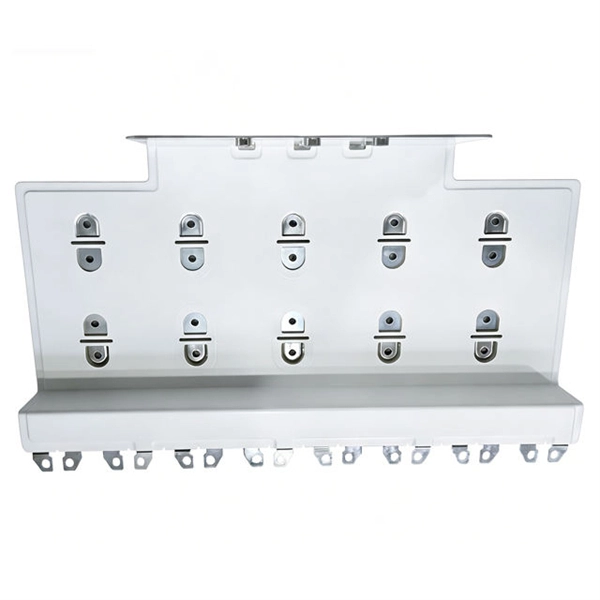
Cable Distribution Box Layout: 10 Industrial Strategies
Optimize your cable distribution box layout for safety and efficiency. Learn industrial best practices using Chuanli''s IEC-standard outdoor and custom
Distribution Box and Selection Guide: Internal Structure, Components
Learn how to choose a distribution box and understand its internal structure, including MCBs, busbars, neutral bars, earth bars, RCDs, RCBOs, SPDs, enclosure ratings, and wiring layout.
How to Design a Layout for a Plastic Distribution Box?
Designing an effective layout for a plastic distribution box requires careful consideration of electrical requirements, safety standards, and practical installation needs.
Selection And Layout Of Distribution Boxes
The form of the distribution box should be selected according to the requirements of the use environment and occasion. When selecting various distribution boxes, you should generally try to
Industrial Plant Distribution Box Layout and Power Distribution
The distribution box isn''t just metal and wires - it''s the control center deciding which equipment gets power, how much, and when. Get its layout wrong, and you''re building headaches
A smart layout of the distribution box prevents malfunctions and
A smart layout of the distribution box ensures that your electrical groups are distributed logically and efficiently, for example by switching powerful devices separately and spreading power supplies.
Distribution Board Configurator
With this configurator, electricians can have the complete parts list, the assembly and wiring diagram and the corresponding nameplate for their project created.
The installation requirements for the distribution box
Learn how to install a distribution box safely and correctly. Covers wiring, placement, standards, and expert tips for a compliant setup.
Customization of a complete distribution box
Learn the step-by-step process of customizing complete distribution boxes tailored to your needs. From requirement confirmation to design, production, and testing, find out how to get a
Optimize the internal layout of distribution boxes: reduce arc risks
That''s what optimizing a distribution box achieves—it transforms chaotic energy flow into a predictable, safe system where electricity moves efficiently while minimizing dangerous heat buildup and arc faults.
Distribution Center Layout and Design: 17 Essentials To
Evaluate these 17 essential distribution center layout considerations for more productivity before finalizing your design. Learn more.
Distribution Box Installation: Advanced Techniques
Distribution Box Installation: Advanced Techniques. The installation of a distribution box is explored in detail, highlighting advanced techniques for achieving a professional and efficient setup.
Electrical Appliances: How To Make The Correct Layout And The
The correct distribution box line configuration can save time and circuit, which requires us to master certain technology and skills, according to these skills to wiring, in order to achieve the effect. The
Building a Smarter Switchboard: Design and Layout
Safety is not just another box to tick—it is integral to every stage of the design and implementation process. Ensure that your layout includes adequate insulation, uses proper grounding techniques,
Cabinet Layout
This post explains the purpose of cabinet layout and list of document required for preparing cabinet layout GA/ IA drawing.
Planning of Electric Power Distribution
power distribution. The subsequent volumes of the series “Planning of Electric Power Distribution – Products and Systems” are an amendment hereto. They will introduce to you the technical details
The essentials of electrical distribution systems every
Electrical distribution systems are an essential part of the electrical power system. In order to transfer electrical power from an alternating current (AC)
Distribution db box wiring diagram
A distribution board DB is where the electrical supply is distributed from within the building home. The main supply cable comes into the board and is then d...