
Technical notes
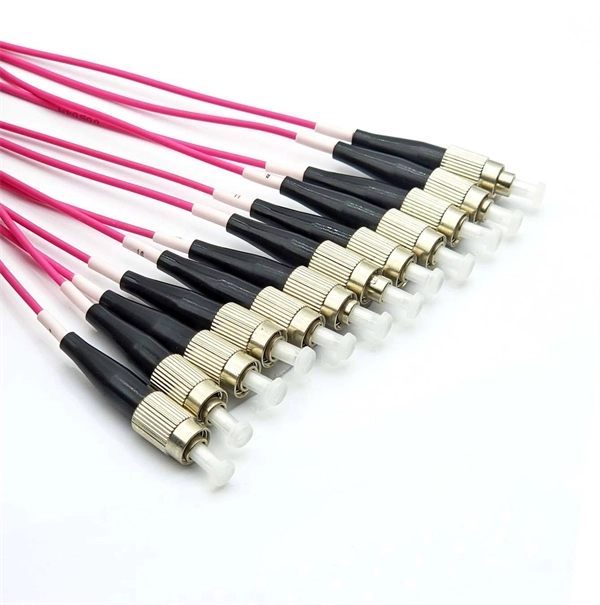
Optical fiber cold splicing and hot melting steps
When light is transmitted in an optical fiber, a loss will occur, and this loss is mainly composed of the transmission loss of the optical fiber itself and the splice loss at the optical fiber joint.
ITU-T Rec. L.12 (03/2008) Optical fibre splices
Summary Splices are critical points in the optical fibre network, as they strongly affect not only the quality of the links, but also their lifetime. In fact, the splice shall ensure high quality and stability of
Optical Fiber Splicing: The Complete Technical Guide to Methods
This guide breaks down the fundamentals of optical fiber splicing, compares fusion and mechanical techniques, explains factors that influence splice loss, and outlines best practices for protection and
Thermal Effects in Optical Fibres
This effect can lead to the rupture of the fibre or to the fibre fuse effect ignition with the consequent destruction of the optical fibre along kilometres. In this work, we analyze the thermal effects occurring
Tutorial Passive Fiber Optics, Part 6: Fiber Joints
Various optical components such as fiber couplers and laser diodes are often sold with fiber “pigtails”. This means that some fiber hangs out of the device, and the user may splice that to some other fiber,
Understanding the Temperature Conditions for Controlled Splicing
This study explores the efficacy of thermal splicing conditions between silica and zirconium-fluoride fibers, focusing on achieving mechanical strength between the two fibers.
Fiber Splice Closure Sealing Methods: Pros & Cons Explained
Discover the pros and cons of heat-shrink, mechanical, and gel sealing in fiber splice closures. Learn which method fits FTTx and PON deployments best.
Fiber Splices – mechanical splicing, fusion splicing, insertion loss
Fusion splicing involves strongly heating the two fiber endfaces until the material becomes soft and then joining them so that they fuse together. This process results in a permanent splice, often with very
What is the heat dissipation performance of the fiber optic splice
Generally, fiber optic splice closures are designed to dissipate heat efficiently in order to maintain the proper operating temperature of the splices inside. This is important because excessive
The difference between optical fiber cold splicing and optical fiber
Optical fiber transmission has the advantages of wide transmission frequency, large communication capacity, low loss, no electromagnetic interference, small diameter of optical cable,
3. Mechanics of Fusion Splicing
In this chapter, we will analyze the mechanical aspects of optical fiber fu-sion splicing beginning with heat transfer in Sect. 3.1. The relevant mechani-cal forces will be discussed in Sect. 3.2 and the
fiber optic cold connection
Fiber optic cold connection, also known as mechanical splicing, is a widely used method of connecting optical fibers in a network. Unlike fusion splicing, which uses heat to join two optical fibers
Fusion splicing
Fusion splicing is the act of joining two optical fibers end-to-end. The goal is to fuse the two fibers together in such a way that light passing through the fibers is not
Heat Generation and Removal in Fiber Lasers | IntechOpen
The present chapter looks at heat generation and heat removal in fiber lasers, particularly if high–power or high–energy operation is required. In the context of the review, for the purpose of
The FOA Reference For Fiber Optics
Some flaws that do not affect optical transmission are acceptable, as shown. Some fibers (e.g. fluorine-doped or titanium coated) may cause white or black lines in splice region that are not faults. (Graphic
Fiber Optic Cable Splicing: A Comprehensive Guide
To support integrators, here''s an easy to follow guide for fiber optic cable splicing discussing mechanical splicing and fusion splicing.
The principle of optical fiber cold splice technology
Disadvantages of Optical Fiber Cold Splice Technology Less secure than fusion splicing: While cold splicing is a convenient and cost-effective method for splicing fiber-optic cables, it is
Mechanical vs. Fusion Splicing: Which Is Right for You?
Fusion splicers are more expensive than the assembly tools required for mechanical splicing. However, they provide the lowest-loss fiber splice
Related Video Reference
This video was associated with the source search result. Verify technical details against current product documentation and project requirements.