
Technical notes
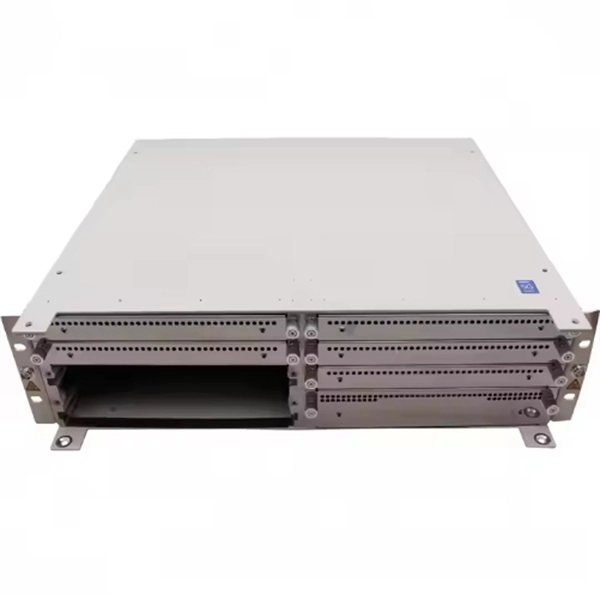
Fiber Optic Termination Box vs. Fiber Optic Splicing Box
A fiber optic termination box, often called an optical distribution frame (ODF) or fiber patch panel, serves as the endpoint where incoming fibers
Fiber Optic Splice Boxes: Selection Criteria, and
What factors should be considered when selecting a fiber optic splice box? Consider the type of fibers, environmental conditions (indoor vs. outdoor), capacity
Fiber Optic Cable vs Patch Cord vs Pigtail – Complete
Buyer question: Can patch cords replace pigtails inside the ODF to “save a step”?Answer: No. Patch cords aren''t for permanent splicing; they''re for
Fibre Optic (FO) distribution box; panel mounting; compact
Photographs and graphics are not to scale and do not represent detailed images of the respective products.
Opticom 1 FAP Wall Mount Splice Enclosures (FWME1BL)
SPECIFICATIONS ons, cassettes, splices, connectors and patch cords. The FWME1BL accommodates all Panduit Opticom fiber adapter panels (FAP), cassettes, connectors and patch cords with integral
Splice Box and Patch Panel, FIMP-XL-Hybrid
This innovative solution offers exceptional flexibility for various applications by featuring optical connectors for up to 12 fibers and 6 RJ45 connectors for
What Is a Fiber Patch Panel & Why It''s Essential for Your Network
A fiber patch panel is a mounted enclosure—either rack-mounted or wall-mounted—used to terminate, manage, and interconnect multiple fiber optic cables. It acts as a hub for organizing
Fiber Patch Panel vs ODF (2026 Guide) – Differences & Best Practices
Learn differences between fiber patch panels and ODF. Covers topology placement, splicing, MPO/MTP, OS2/OM4, density, best practices, and FAQ for networks.
What is Fiber Optic Splice Closure?
Fiber optic splice closures are small boxes made of sturdy plastic that contain some of the more sensitive cabling areas and protect them from the elements. As fiber optic networks have
Fiber Optic Splice Closure Guide | Structure, Types
This is exactly why fiber optic splice closures play such a critical role in modern fiber networks. They are not optional accessories, nor simple
Fiber Splice Tray: Organizing and Protecting Fiber Splices
In the past, fiber optic splice trays were usually installed in a box that hung on the wall. Today, fiber splice trays can be found in many places in fiber optic networks. This article will explain
Everything you need to know about fiber optic termination
Different connectors and splice termination procedures are used for singlemode and multimode connectors, so make sure you know what the fiber will be before you
Pigtail Assemblies for Patch and Splice Panels | AFL
Pigtail Assemblies for Patch and Splice Panels delivers high-performance engineering, reliability and simplified deployment for critical network applications. E
A Breakdown of Fiber Optic Patch Connectors and Their Applications
Duplex style fiber optic cord is associated with the term “zip cord” and that literally means two fiber patch cords that are joined together at the jacket and can be separatedor unzipped, I
Complete Guide to Fiber Optic Connectors and Splicing
This article provides an overview of fiber optic connectors, splicing techniques, and maintenance practices. It explains how proper installation and upkeep contribute to network
Fiber Optic Enclosures & Outdoor Splice Closures | Multilink
Why Your Fiber-Optic Connections Need Enclosures A fiber-optic enclosure serves as the central hub for terminating, splicing and managing cables, ensuring efficient network operation.
What Is a Fiber Splice Cassette?
Benefits of Using Fiber Splice Cassettes Faster and More Reliable Installation Fiber optic splice cassettes significantly simplify the installation process by integrating pre-terminated pigtails,
The FOA Reference For Fiber Optics
Prepolished/splice and splice-on connectors eliminate the need for field adhesives and polishing by terminating connectors to a stub fiber in a factory and attaching
Related Video Reference
This video was associated with the source search result. Verify technical details against current product documentation and project requirements.