
Technical notes
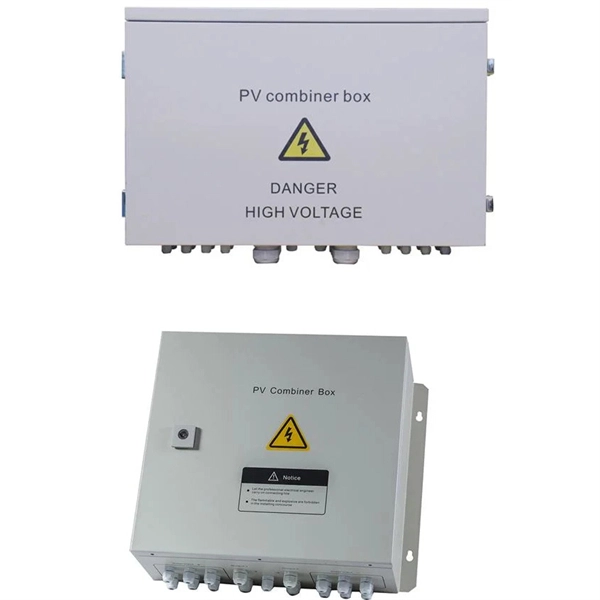
Distribution System Grounding
Good system grounding provides the path for normal load and fault currents while maintaining load and controls temporary overvoltages. Good equipment grounding ensures
National Electrical Code 2023 Basics: Grounding and Bonding Part 2
Correct grounding of services depends upon understanding the definition and role of the grounded conductor. The neutral conductor is typically the grounded conductor connected to the system''s
Distribution System Grounding
It is recommended to ground the neutral at various strategic locations in distribution substations, overhead lines and underground cables, distribution transformers, and all loads.
Grounding System Installation Standards for Distribution Boxes and
By understanding the deeper principles behind grounding standards, avoiding common installation pitfalls, and insisting on certified materials from reputable suppliers, you''re not just
Grounding of Services, based on the 2023 NEC
Some inspectors require the grounding electrode conductor connection to the service neutral conductor to be made at the meter socket enclosure, while others insist the connection be made only within the
Grounding Practices in Power Distribution Systems
It is absolutely necessary to implement efficient grounding in distribution systems in order to guarantee the safety, dependability, and performance of the electrical network.
Transformer Grounding: Navigating NEC Article 250 and Separately
Well, you can bond two electrical terminals together to establish continuity, but if neither terminal has continuity to ground (or a terminal that does), they are not grounded.
1926.962
The employer shall ensure that, when an employee performs work on a cable at a location remote from the cable terminal, the cable is not grounded at the cable terminal if there is a possibility of
Article 250
Systems operating below 50V aren''t required to be grounded or bonded per 250.30 unless the transformer''s primary supply is from a 277V or 480V system or an ungrounded system [250.20 (A)].
Why Does Electricity Need to Be Grounded? | Mr. Electric
Why Does Electricity Go to Ground? The negatively charged ground wire attracts the excess positive charge in your electrical lines, providing a safe outlet for the energy. This is called
Grounding System Installation Standards for Distribution Boxes and
Why Distribution Boxes Need Special Attention Your distribution box is mission control for electricity in any building. When grounding fails here, it''s like having a spaceship without a heat
9 Recommended Practices for Grounding
Grounding and bonding are the basis upon which safety and power quality are built, and they provides low-impedance path for fault current.
Electrical Grounding (A Complete Guide) | DFLIQ
Master the fundamentals of electrical grounding. Learn how to effectively protect your electrical systems and prevent potential hazards.
Are My Electrical Boxes Actually Grounded?
I know that in a properly grounded, modern (for lack of a better word) system, this is normal. My question here is this: does this reading indicate that the line is, in fact grounded back to
Grounding requirements for main panel and subpanel
The main panel should be grounded (probably with 2 grounding rods) and the grounded (neutral) and grounding buses should be bonded in the main panel. The subpanel probably isn''t far
Electrical Panel Grounding and Bonding
The topic of grounding and bonding is a never ending area of confusion. The difference between a service panel and a sub panel is also
Do I ground to box or back of outlet?
Electrical - AC & DC - Do I ground to box or back of outlet? - I just moved an outlet in my house by installing an extension box on the original box and then using EMT conduit to run wires
Practice for good grounding and bonding a home wiring
Bonding and grounding explained All home electrical systems must be bonded and grounded according to code standards. This entails two tasks: