
Technical notes
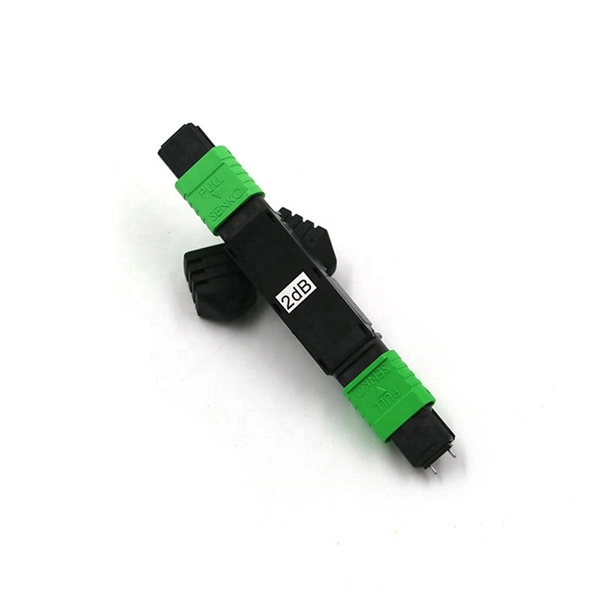
Comparing Single-Core and Dual-Core Optical Fibers
While single-core fibers offer efficiency and simplicity for long-distance transmission, dual-core fibers excel in high-capacity, short-range
The Key Differences Between 1-core, 2-core, Single
Single Mode fibers have a smaller core, allowing light to travel in a single, straight path, ideal for long distances with less signal loss. Multi-mode
1 Core, 2 Core and Multi-core Fiber Optic Cables, What are the
The number of cores in a fiber optic cable significantly influences its performance and determines its suitable applications. This article will explore the differences among single-core, dual
1 Core, 2 Core and Multi-core Fiber Optic Cables, What
Single-core cables are great for straightforward, long-distance communication, dual-core cables offer flexibility and redundancy, and multi-core
Multi-Core vs. Single-Core Fiber: Differences & Applications
Explore the key differences between multi-core and single-core fiber optic cables, including advantages, disadvantages, and applications in optical communications.
Multi-core Fibers – dual core, twisted, space division
Multi-core fibers enable space division multiplexing (SDM) by providing multiple parallel spatial channels (the cores) within a single fiber. Each core can carry an
How Many Cores Do You Need in Your Fiber Optic Cable?
One key factor is the number of cores, which impacts how much data you can transmit. This post will guide you through understanding fiber optic cores and selecting the perfect cable for...
Fiber Optic Cable Core: Understanding Its Types and Uses
Don''t worry, in this guide, we''ll discuss in detail what the fiber optic core is and its role in data transmission. Moreover, we''ll also explore the different
The Key Differences Between 1-core, 2-core, Single Mode, and
The secret lies in fiber optic technology, and understanding the basics—1-core, 2-core, Single Mode (SM), and Multi-mode (MM)—is key to mastering this field.
How Many Core In Fiber Optic Cable Do I Need
So each terminal will use two cores at most. If you want to consider the cost, you can use 1-2 cores for the entire line redundancy. For example, if
Fiber-optic cable
A fiber-optic cable, also known as an optical-fiber cable, is an assembly similar to an electrical cable but containing one or more optical fibers that are used to carry
Fiber Optic Cable Types: Comprehensive Guide
Two Types of Fiber Optic Cable Fiber optic cables fall into two main categories: single-mode fiber (SMF) and multimode fiber (MMF), each designed for specific transmission requirements.
Multi-core Fibers – dual core, twisted, space division multiplexing
Multi-core fibers provide a platform for the next generation medical shape sensing, data center transmission cables and temperature/strain sensing. They can be used to dramatically reduce the
Single vs. Dual Fiber: How to Choose the Right Cable for Your Network
Choosing the right fiber optic cable is essential for optimizing your network setup. In this video, we''ll explore the differences between single (simplex) an...
Difference Between Single and Dual Fiber Optical Transceivers
Fiber optic technology has seen incredible growth over the past several years and will likely experience even more expansion over time. There are numerous benefits associated with
Fiber Optic Cable Types – Multimode and Single Mode
The Optical Core – a glass tube (core) propagates the light signals through the fiber cable. Glass is inherently reflective and is a perfect medium for
The Difference Between Single/Dual Fiber and
Broad compatibility and availability Considerations: Requires two fiber strands per link Single-Mode vs. Multi-Mode This distinction relates to the fiber
Fiber Optic Cable Types – Multimode and Single Mode
Single Mode fibers are identified by the designation OS or Optical Single-mode Fiber. Single Mode cable has a much smaller core (8-9um) than multimode cable and uses a single path (mode) to carry the light.
Related Video Reference
This video was associated with the source search result. Verify technical details against current product documentation and project requirements.