
Dynamic Strain Measurements By Fibre Bragg Grating Sensor
Search optical fiber, connectivity, cable management and network infrastructure references.
- Dynamic
- Strain
- Measurements
Articles and technical references
11 on this page-
Fiber Bragg Grating Sensing Range
The structure of the FBG can vary via the refractive index, or the grating period. The grating period can be uniform or graded, and either localised or distributed in a superstructure. The refractive index has two primary characteristics, the refractive index profile, and the...
-
Fiber Bragg grating temperature sensing unit string
BraggSenz sensor system works on fiber Bragg grating (FBG) technology designed for multi-point temperature, strain, load, and vibration measurement over hundreds of meters of fiber optic cable in extremely harsh environments. This review provides a comprehensive overview of...
[PDF Version]
-
Hard Drives in Fibre Channel Arrays
Fibre Channel HDDs utilize the Fibre Channel interface, a high-speed, reliable, and scalable technology specifically designed for storage networking. These drives are commonly used in enterprise storage arrays and SAN environments, providing fast and efficient data access...
[PDF Version]
-
Dispersion of Fiber Bragg Gratings
This lesson demonstrates the possibility for dispersion compensation with the help of fiber Bragg Grating created with the Fiber Grating component. Typically, the perturbation is approximately periodic over a certain length of e. They also enhance the impact of nonlinear...
[PDF Version]
-
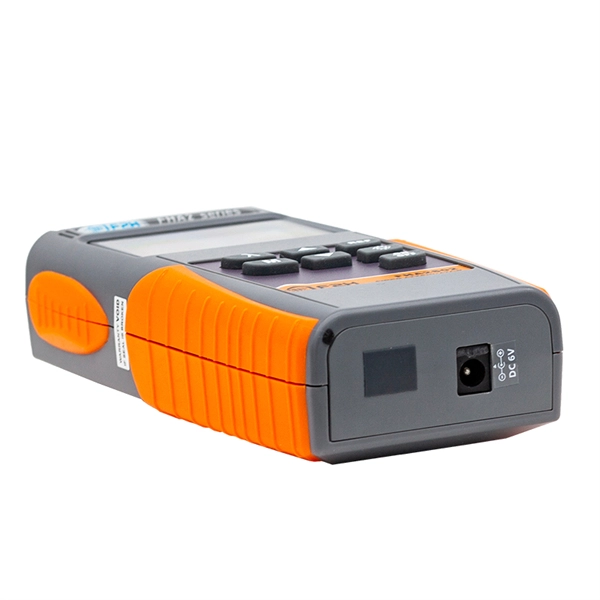
Self-compensating strain of fiber optic gratings
Optical fiber sensors based on fiber Bragg gratings (FBGs) are prone to measurement errors if the cross-sensitivity between temperature and strain is not properly considered. This study proposes and experimentally validates a novel design parameter, 'Fiber Drag Length (LD)...
[PDF Version]
-
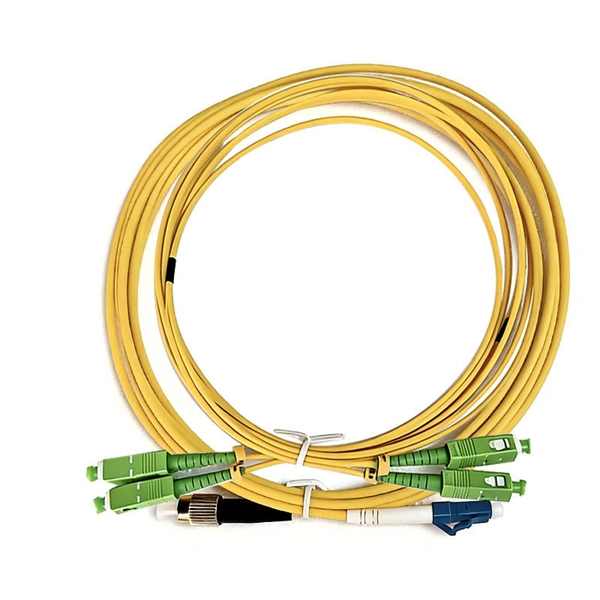
South Asia Fiber Optic Grating Strain Gauge Manufacturer
High-definition strain sensing based on the Rayleigh backscatter delivers a virtually continuous line of strain measurements with sub-millimeter spatial resolution, employing very small lightweight optic.
-
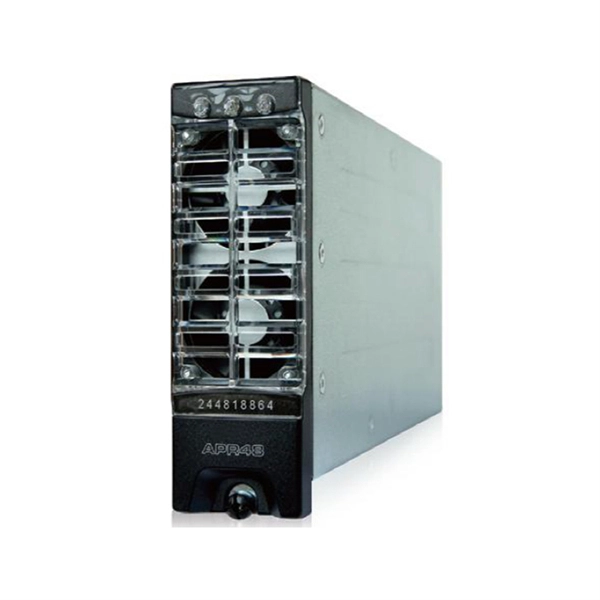
How are fiber Bragg gratings made and what are their prices
The first in-fiber Bragg grating was demonstrated by Ken Hill in 1978. Initially, the gratings were fabricated using a visible laser propagating along the fiber core. In 1989, Gerald Meltz and colleagues demonstrate.
-
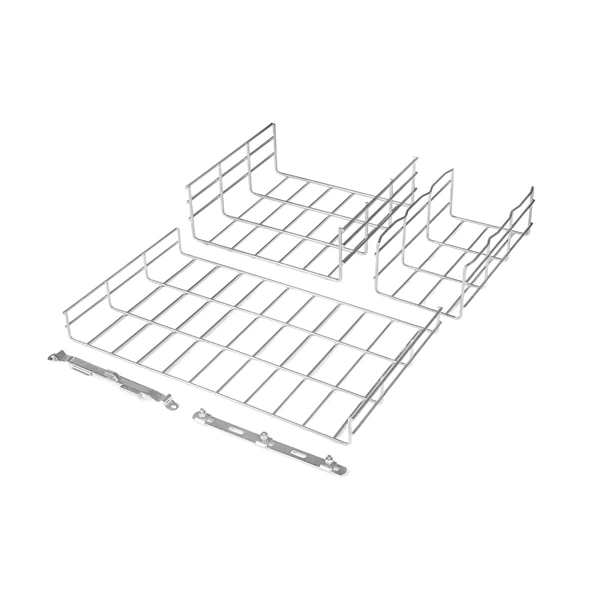
Which is better Fibre Channel or SAN
FC SANs are more expensive and offer higher speed and lower latency than iSCSI SANs. However, iSCSI SANs can benefit from faster Ethernet speeds, quality of service (QoS), jumbo frames, network redundancy, load balancing, and clustering for improved performance and. Fibre...
[PDF Version]
-
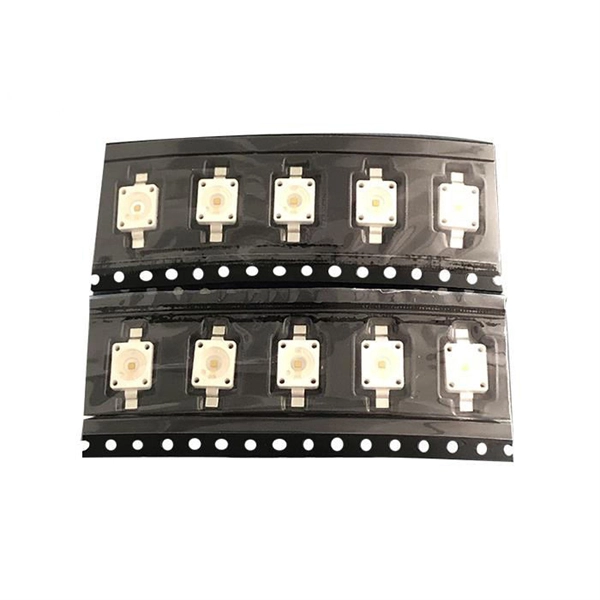
Ethernet Fibre Channel Technology
Fibre Channel (FC) is a high-speed data transfer protocol providing in-order, lossless delivery of raw block data. However, the data center landscape is in perpetual motion. The relentless growth of data, the rise of flash. While the Ethernet side dominates general...
[PDF Version]
-
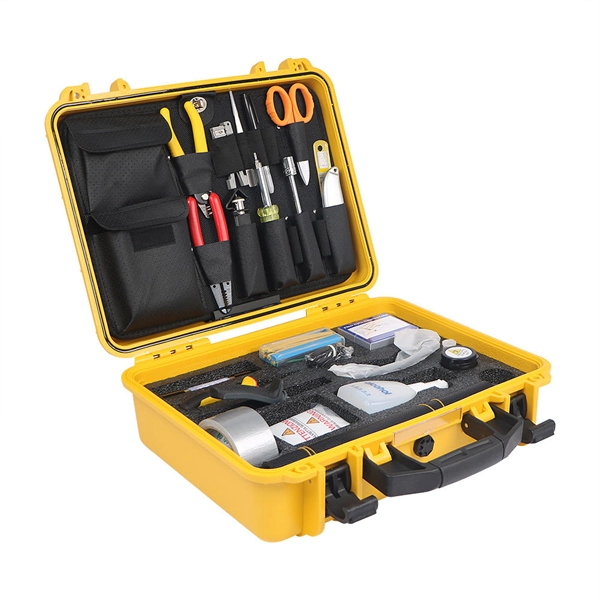
Fiber Bragg Grating Sensor Monitoring
Fiber Bragg grating (FBG) sensors have emerged as advanced tools for monitoring a wide range of physical parameters in various fields, including structural health, aerospace, biochemical, and environmental applications. Their unique attributes—compactness, immunity to...
[PDF Version]
-
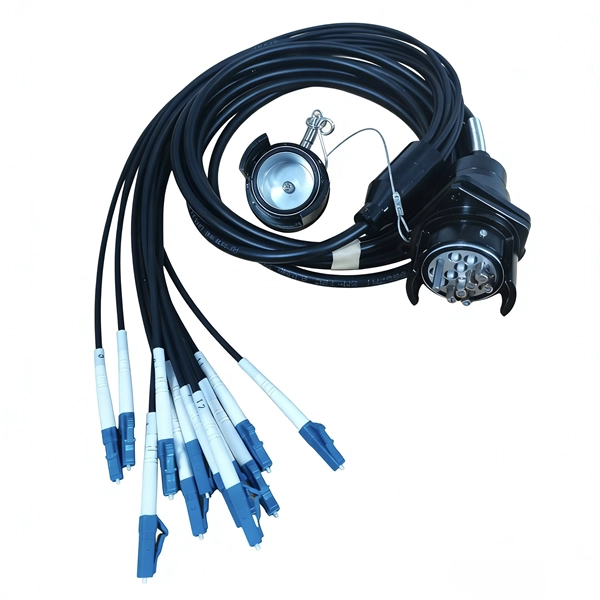
Force Measurement with Fiber Bragg Grating Sensor
The use of fiber Bragg gratings (FBGs) allows for embedded sensors with high strain sensitivity and immunity to electromagnetic interference. Fiber Bragg grating (FBG) sensors have emerged as advanced tools for monitoring a wide range of physical parameters in various fields...