
What is the purpose of a cable grommet?
A cable grommet typically is a round edged ring inserted into a panel hole to protect pass through cables from chafing and abrasion as well as from...
Search optical fiber, connectivity, cable management and network infrastructure references.
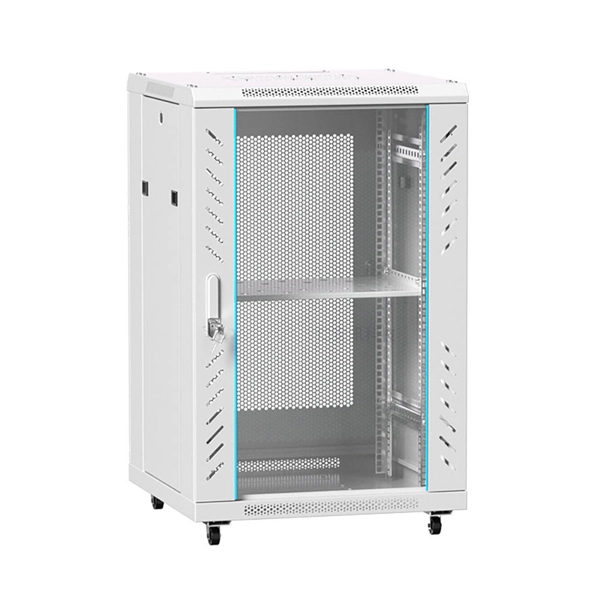
Explore various cable tray types and sizes for electrical installations. Learn about ladder, perforated, solid-bottom, wire mesh, and channel trays in this complete guide. Wire. Understanding the types of cable containment systems, including trays, trunks, and conduits, helps...
[PDF Version]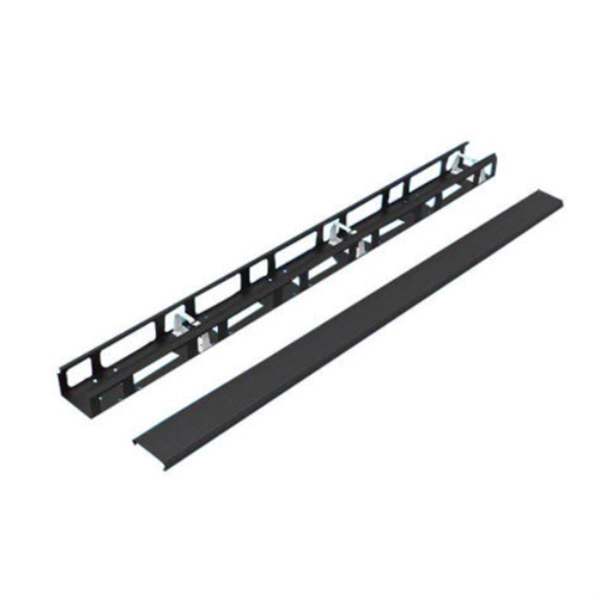
An MPO cassette patch panel takes a high-density MPO connector in the rear and “breaks it out” into multiple duplex connectors on the front, typically LC. This article explains what Duplex LC connectors are, how they work, the difference between single-mode and multimode use...
[PDF Version]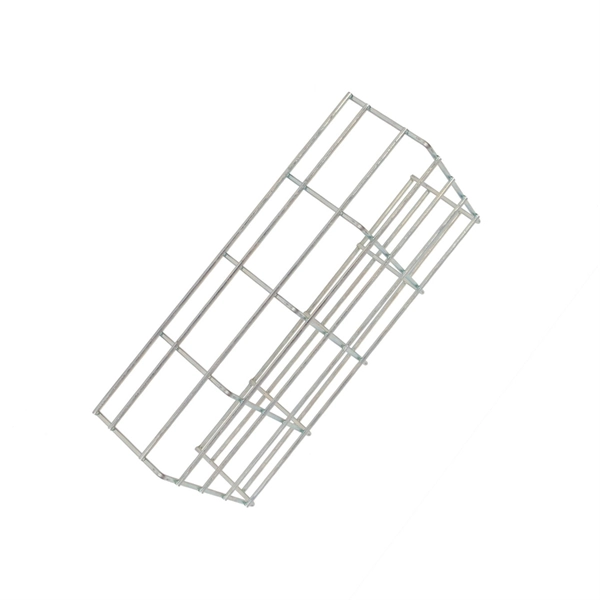
Firestopping Requirements for Cable Trays and Sealing shall be tight and reliable, without visible cracks or voids. For large openings, install a fire-resi.
[PDF Version]A cable grommet typically is a round edged ring inserted into a panel hole to protect pass through cables from chafing and abrasion as well as from...
An open cable grommet is simply pushed through the panel hole by hand until it snaps firmly in place. The flexible material allows the grommet to b...
Choosing the right grommet is requiring 3 basic dimensions . Your cable diameter, the diameter of the panel hole and the panel thickness. FH dimens...
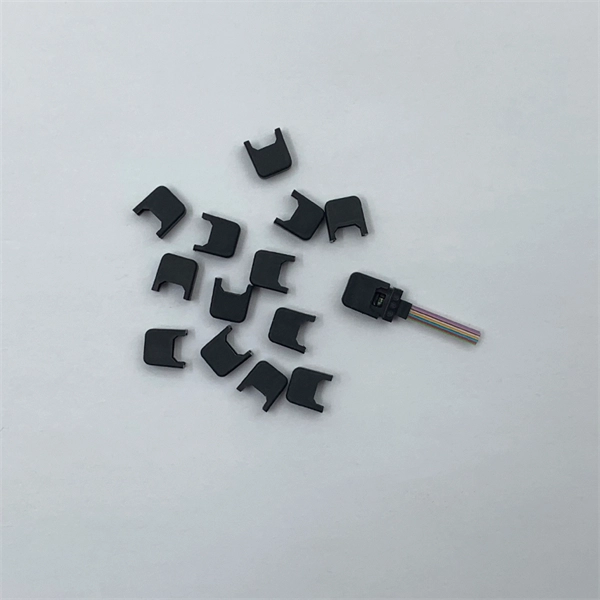
An electrical cable tray is a type of containment system used to support insulated electrical cables for power distribution, control, and communication. Unlike conduit systems, cable trays allow cables to be laid in bundles, improving accessibility, heat. -piece tray...
[PDF Version]
In a typical setup, the connection consists of a shorter cable plugged into the front side of the patch panel and a longer cable plugged into the back. In this way, the panel can take the place of otherwise expensive switching equipment. Struggling with Wi-Fi coverage over...
[PDF Version]
Choosing the right cable tray splice plates and connectors helps keep networks, fiber optics, and AV systems organized, protected, and up to code. This guide highlights five reliable options that balance durability, ease of installation, and compatibility with wire mesh cable...
Cable trays support insulated electrical cables in industrial and commercial settings. There are several types of cable trays, including ladder, perforated, solid bottom, basket, and channel trays. Far superior to traditional conduit in many applications, cable tray systems...
This guide covers direct burial cable types (UF-B, USE-2, TC-ER-DB), NEC Table 300. 5 burial depth requirements, conductor sizing for underground runs, the UF-B vs. What Is Direct. These direct burial cable systems are particularly well-suited for telecommunications...
[PDF Version]
Labor rates: Based on 2025-2026 national averages for licensed electricians ($65-$125/hr). Circuit costs: Include breaker, wire, and installation labor. Buying in bulk lets you get wholesale prices. Adding special features costs more. You may want remote monitoring or...
[PDF Version]
This step‑by‑step approach helps you determine width, depth, support spacing, and allowable load with confidence. Plan 20–30% spare capacity for growth. Remember separation rules for EMI and. Cable tray sizing looks simple on paper, but in real projects it affects cable...
[PDF Version]Share the fiber interfaces, termination capacity, cable route and evidence required for handover.