
Electromagnetic Interference
Search optical fiber, connectivity, cable management and network infrastructure references.
- Electromagnetic
- Interference
Articles and technical references
4 on this page-
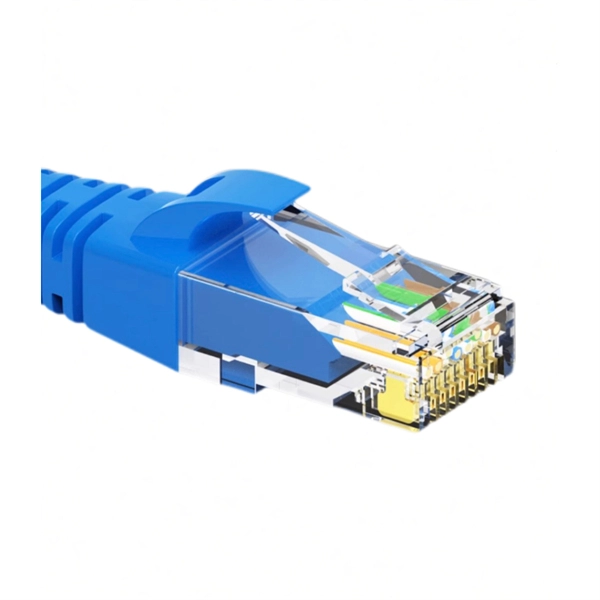
Electromagnetic waves are transmitted via cables and optical fibers
Modern fiber-optic communication systems generally include optical transmitters that convert electrical signals into optical signals, optical fiber cables to carry the signal, optical amplifiers, and optical receivers to convert the signal back into an electrical signal. The...
[PDF Version]
-
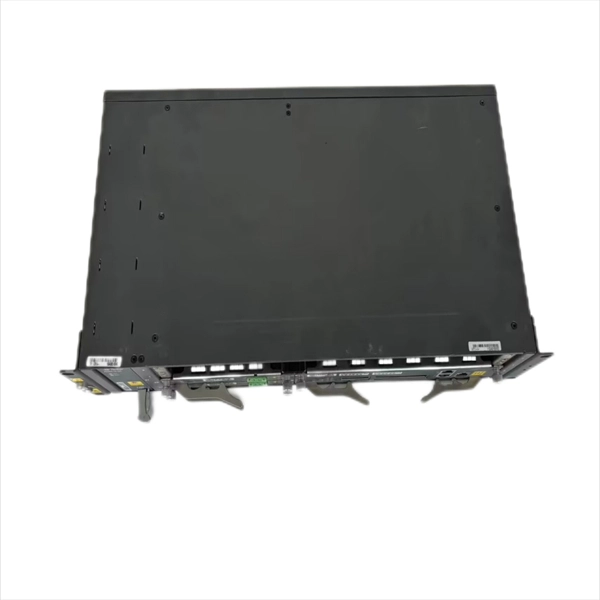
Fiber optic communication bands in electromagnetic
Fiber optic transmission wavelengths are determined by two factors: longer wavelengths in the infrared for lower loss in the glass fiber and at wavelengths which are between the absorption bands. Thus the normal wavelengths are 850, 1300 and 1550 nm. This low-loss wavelength...
[PDF Version]
-
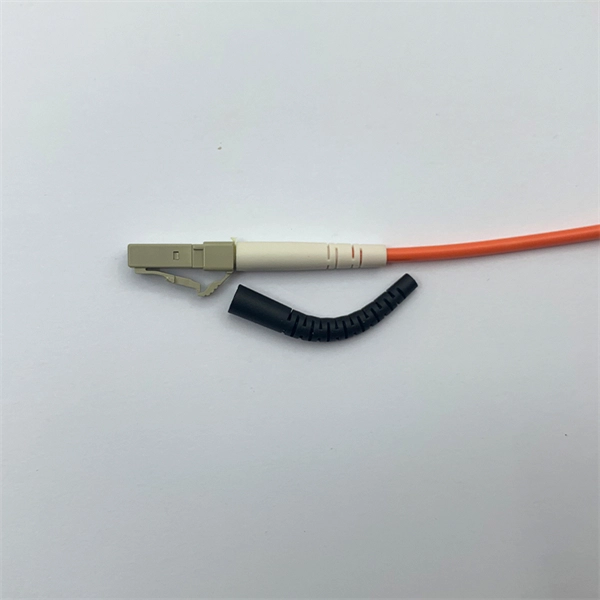
Advantages of optical fiber cables interference resistance
Fiber Optic Cables: Advantages, Disadvantages, and Use. Optical fiber communication offers several notable benefits. Firstly, it allows for high-speed da.
[PDF Version]
-
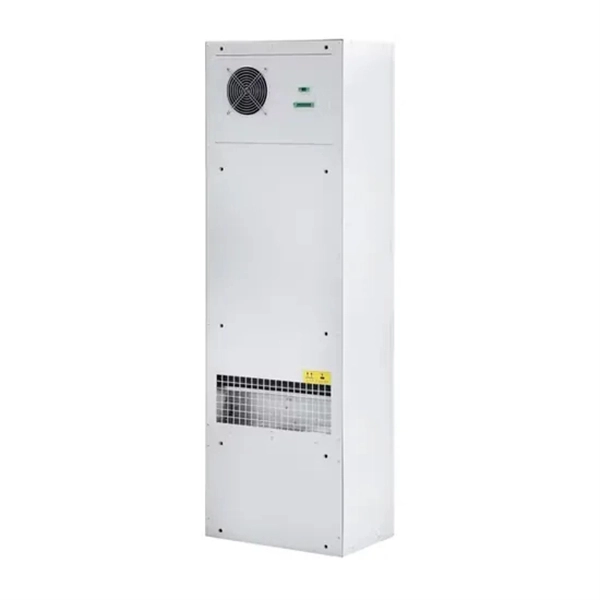
Relay protection is divided into electromagnetic type
Electromechanical relays can be classified into several different types as follows: "Armature"-type relays have a pivoted lever supported on a hinge or knife-edge pivot, which carries a moving contact. These relays may work on either alternating or direct current, but for...
[PDF Version]