
Electrostatic Discharge Esd Sensitivity Classification Levels
Search optical fiber, connectivity, cable management and network infrastructure references.
- Electrostatic
- Discharge
- Sensitivity
Articles and technical references
10 on this page-
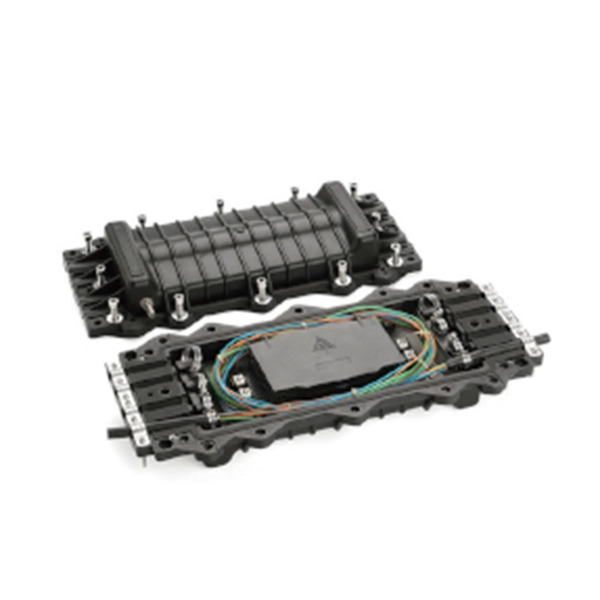
Various power distribution box levels
Connects to end-use equipment via switch boxes, forming a three-tier power distribution system. Residual current devices (RCDs) at both the tertiary (equipment-level) and secondary (zone-level) stages. Ensures safe disconnection in case of faults or leakage currents...
[PDF Version]
-
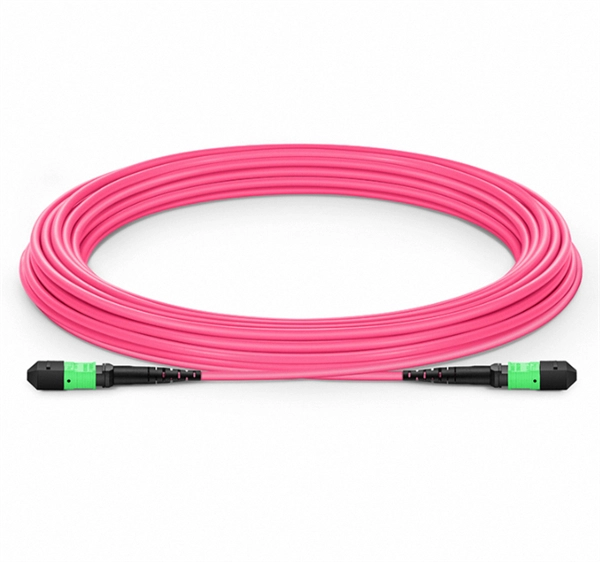
Optical module sensitivity specifications
In optical communication systems, sensitivity is a measure of how weak an input signal can get before the bit-error ratio (BER) exceeds some specified number. The standards body governing the application sets this specified BER. These optical module parameters dictate...
[PDF Version]
-
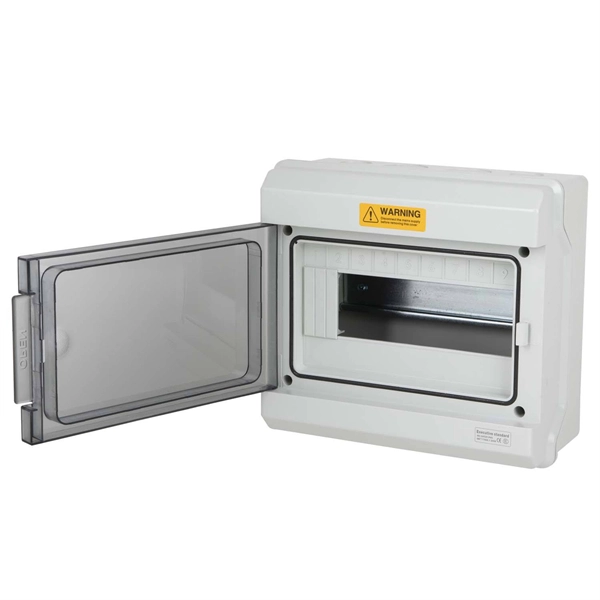
Network cabinet seismic resistance classification
IEC 61000-4-33 sets the benchmark for seismic testing in Telecom Power Systems. You rely on this standard to verify that your equipment can withstand earthquake conditions. The standard outlines procedures for vibration table tests, focusing on how cabinets respond to...
[PDF Version]
-
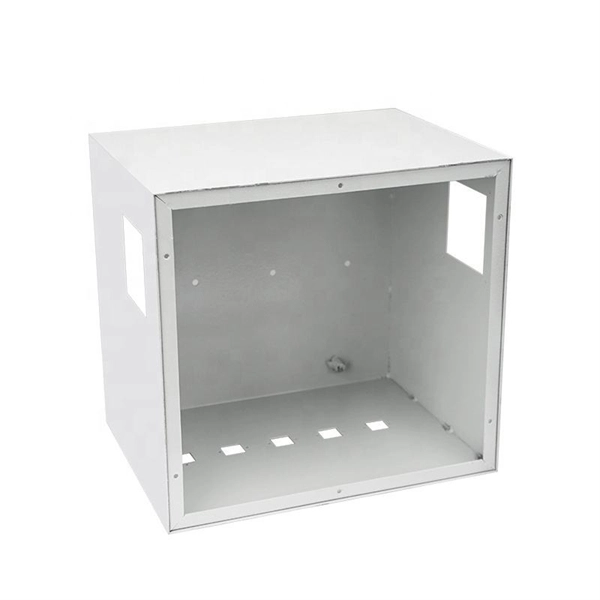
Introduction to Outdoor Optical Cable Model Classification
This article explains the core differences between OS1 and OS2 singlemode fibers, as well as OM3, OM4, and OM5 multimode fibers—to help OEM clients, installers, and data center engineers make informed decisions. Outdoor optical cable, simply speaking, an optical cable used...
[PDF Version]
-
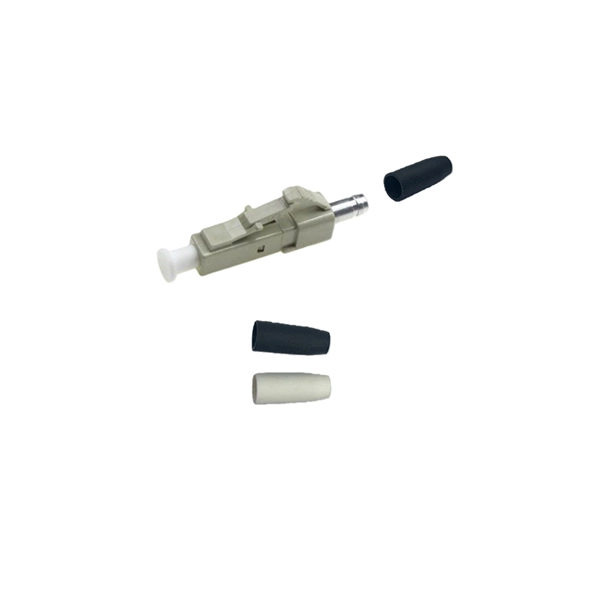
Classification of Fiber Optic Current Sensors
This article explores the different types of Fiber Optic Sensors, their working principles, and various applications. Fiber optic current sensors are revolutionizing the way electrical currents are measured, providing high sensitivity, immunity to electromagnetic interference...
[PDF Version]
-
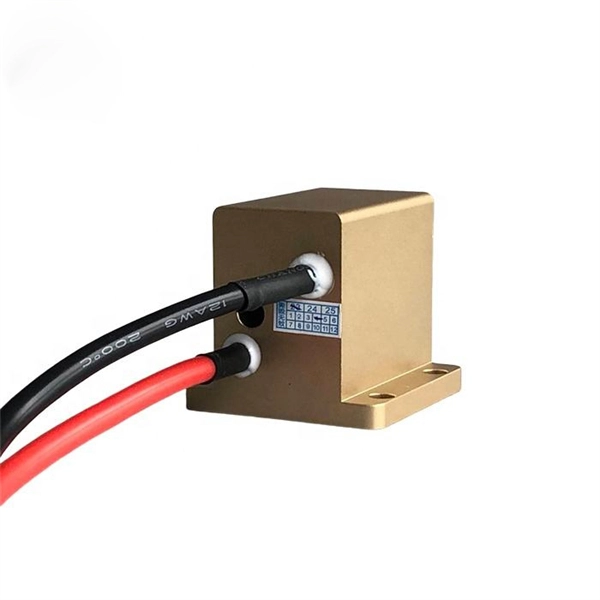
Multiple levels of distribution boxes repeatedly grounded
Multi-grounded three-phase four-wire service is widely adopted in modern power distribution systems due to having lower installation costs and higher sensitivity of fault protection than three-phase three-wire service. It is recommended to ground the neutral at various...
[PDF Version]
-
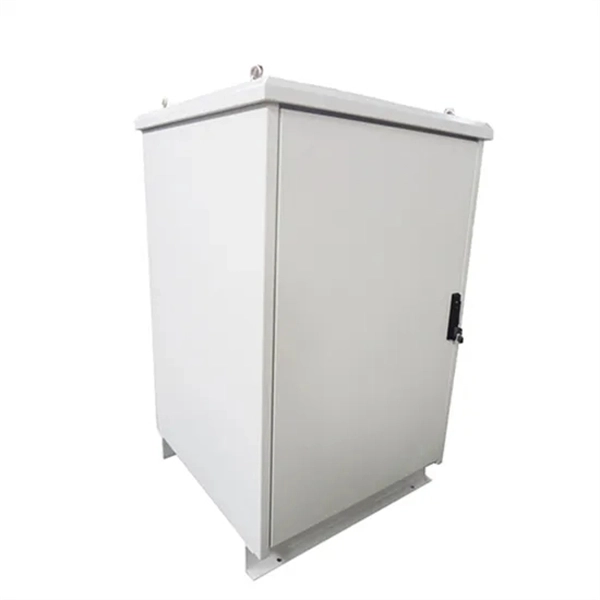
Swiss Classification Standards for Explosion-Proof Distribution Boxes
In the US, the independent (NFPA) publishes several relevant standards, and they are often adopted by government agencies. Guidance on assessment of hazards is given in NFPA 497 (explosive gas) and NFPA 499 (dust). The publishes analogous standards in RP 500 and RP505.
-
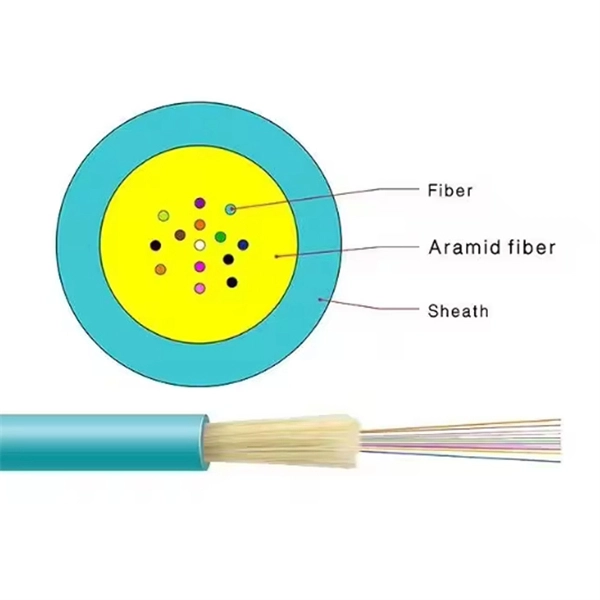
Latest Standards for Protection Classification of Distribution Boxes
0 defines specific requirements for distribution boards intended to be operated by ordinary persons (e., switching operations and replacing fuse-links), e. Distribution boxes protect our electrical systems like bodyguards shield VIPs. When they fail, everything goes dark...
-
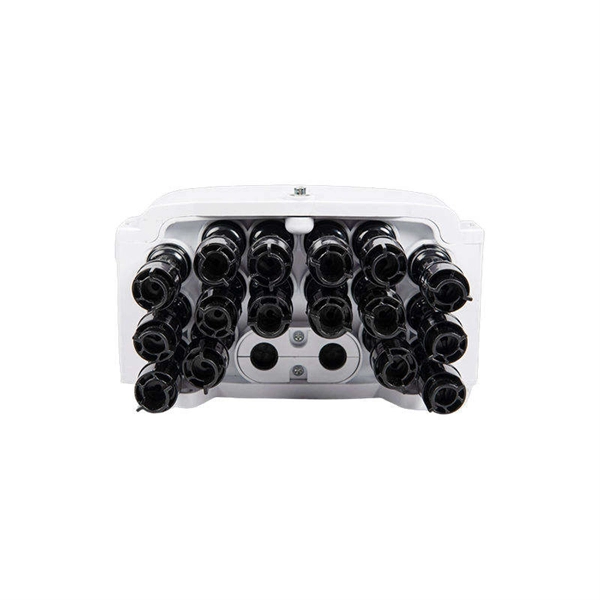
Classification Models and Categories of Single-Mode Fiber
The International Telecommunication Union (ITU) has developed a set of standards for optical fibers called the G standards. 657 being the most commonly used. 636, known as Enhanced Single-Mode fiber, is engineered with much tighter tolerances and a smaller fiber core...
-
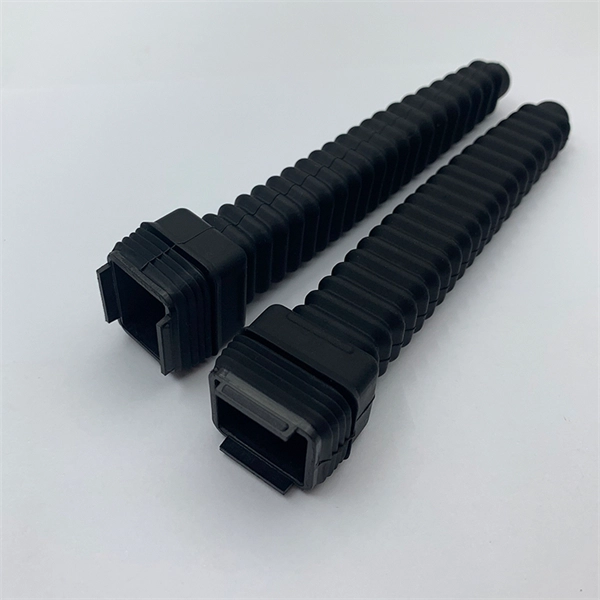
Cable tray corrosion protection classification
Corrosion Classes Applied to Cable Tray Environments: C1 - Very Low Typical Environments: Indoor, climate-controlled areas like offices, data centers, or laboratories. Materials: Untreated or painted steel. Recommended Products: Light-duty cable trays, raceways, and. In the...
[PDF Version]