
Eurostrut Cable Trays Cable Tray Cable Route And
Search optical fiber, connectivity, cable management and network infrastructure references.
- Eurostrut
- Cable
- Trays
Articles and technical references
10 on this page-
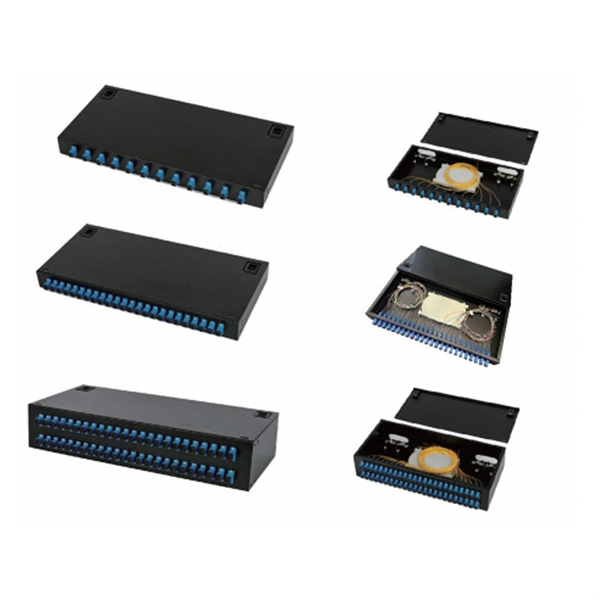
Requirements for Railway Cable Tray Construction and Cable Trays
The International Electrotechnical Commission (IEC) provides detailed guidelines for cable tray systems under IEC 61537. This standard outlines the construction requirements, testing methods, and performance parameters for cable trays and related support systems. Our STL...
[PDF Version]
-
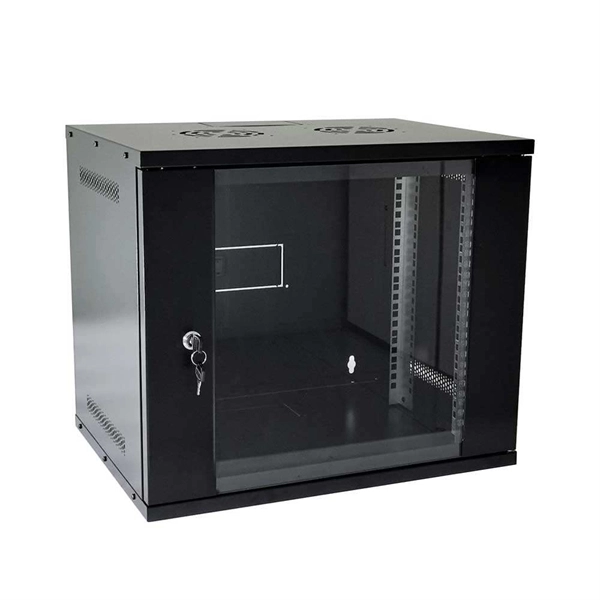
What is the spacing between cable trays and cable tray supports
Cable Tray Installation Rules (NEC 392) – Electrical TraderGenerally, standard trays require supports every 6 to 10 feet, while heavy-duty, long-span trays.
[PDF Version]
-
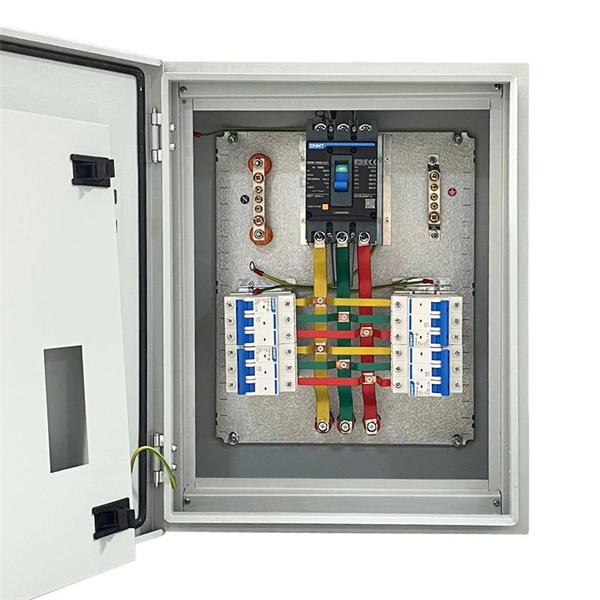
What type of cable tray is used for vertical cable trays inside pipe wells
Wire mesh cable trays, also known as basket trays or ladder-less trays, consist of welded wire mesh that forms a basket-like structure with side rails. We offer a wide range of cable tray systems to support tubing, electrical cables and instrumentation. Our cable trays are...
-
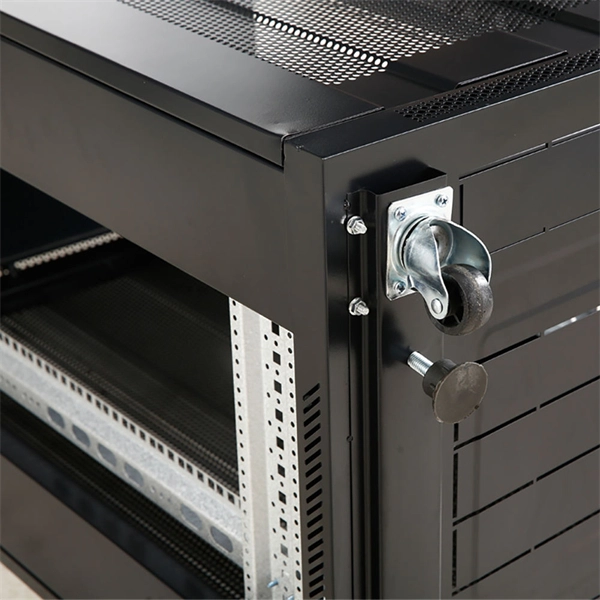
How to route cables in the cable trays of a building
This guide covers the critical steps, from selecting the right electrical cable tray and performing accurate cable fill calculations to managing a safe cable pull through and ensuring all bonding and grounding requirements are met. When cables are crammed, mislabeled, or...
[PDF Version]
-

Trough-type cable tray mesh
Unlike ladder or wire mesh cable trays, trough type cable trays use a fully enclosed structure formed from a single steel sheet, creating a protective channel that shields cables from external interference. Far superior to traditional conduit in many applications, cable tray...
[PDF Version]
-
What type of cable tray is a rigid cable tray
Cable trays are mechanical support systems that provide a rigid structural system for electrical cables, raceways, and insulated conductors used for electric power distribution, control, signal instrumentation, and communication. There are several types of cable trays...
-

Are cable trays and ladders universally compatible
In most cases cable ladders are the preferred choice, however; cable trays are better suited when aesthetics and radio/electromagnetic interference are important considerations. Cable trays are also useful for protecting sensitive cabling and tubing. Two common solutions are...
[PDF Version]
-
There is no space for cable trays in the stairwell
Answer: The 1996 NEC in sections 318-6 (i) and (j) indicates that there shall be sufficient space maintained around cable trays to allow adequate access for installing and maintaining the cables and that cable trays shall be exposed and accessible. The primary rulebook used...
[PDF Version]
-
Cable tray small end becomes large
Cable sag results from incorrect spacing of cable tray supports or from employing the incorrect tray type that is, light-duty perforated trays in high-load applications. Complicating the problem are overloaded trays and large unsupported spans. Sagging causes tension at...
[PDF Version]
-

Sealing of Cable Tray Holes in External Walls
In Walls: Use a fire-rated, intumescent caulk or putty for gaps around cables in fire-rated walls. For non-fire-rated walls, silicone caulk provides a flexible, weather-resistant seal. Installing a cable through an exterior wall creates a breach in the building envelope...
[PDF Version]