
Technical notes
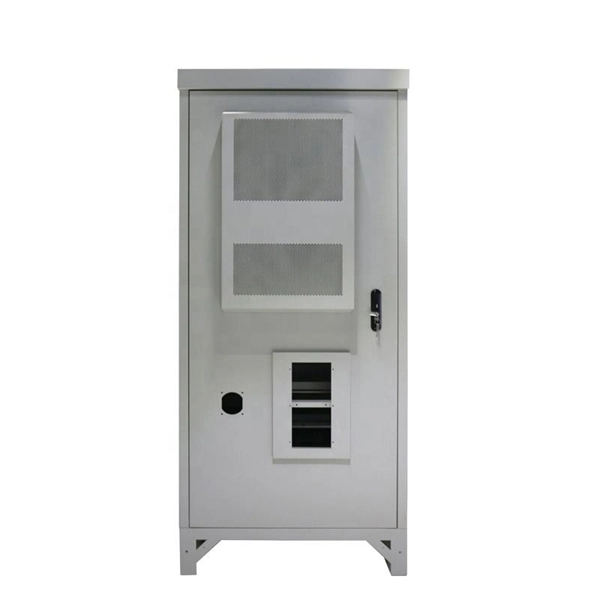
Distributors: Splice Boxes & Optical Network Terminal Boxes
Splice boxes, also known as fiber optic splice enclosures or fiber splice closures, are essential components in fiber optic networks. Their primary function is to protect and manage the spliced fiber
Fibre Optic (FO) distribution box; panel mounting; compact
Fibre Optic (FO) distribution box; panel mounting; compact dimensions, lockable, max. capacityx of 8 splicing cartridges ore one distribution plate product
Fiber Optic Distribution Box Application and Research Report
This report discusses the application and research of the Fiber Optic Distribution Box (FDB), systematically explaining its basic concepts, functional structure, operating principles,
72 Core Inline fiber Splice Closure&16 Port Distribution
This 72 core inline fiber splice closure can be used as fiber optic distribution box that designed for optical splitting, fiber splicing, cable joint, termination and distribution.
Fiber Optic Termination Box vs. Fiber Optic Splicing Box
Fiber optic termination and splicing boxes are the cornerstones of reliable networks, each excelling in distinct roles. Termination boxes offer
How to Splice Fiber Optic Cable – Step-by-Step Fusion
Learn how to splice fiber optic cable using fusion splicing with this complete step-by-step guide. Includes tools, best practices, loss standards (ITU
Fiber Cable Mechanical Splicing Guide Using Fiber Splice Trays
Learn how to perform mechanical fiber cable splicing inside fiber enclosures using fiber splice trays. This step-by-step guide covers fiber preparation, alignment, splicing, protection, and
Fiber Distribution Box
Fiber Distribution box contains the shell, the internals (supporting frame, set fiber disc, fixing device) and optical fiber joint protective element. Prominent advantages of fiber termination box lie in efficient
Splicebox
The main components of a splice box are the splice cassette that picks up the fibers and their reserves, and the front panel which contains different connectors for transmitting signals via copper or fiber
The Technical Specifications for Fiber Distribution Boxes
The fiber distribution box, also known as the optical fiber termination box, is a critical component in fiber optic networks. It is primarily used to terminate, splice, and organize optical fibers,
The FOA Reference For Fiber Optics
Most field singlemode terminations are made by splicing a factory-made pigtail onto the installed cable rather than terminating the fiber directly as is commonly done
Fibre Termination Boxes indoor | Melbye
Fibre Termination Boxes indoor Termination boxes for fiber optic installations in indoor environments. Designed for all types of cables and microducts. Wall mounted and may be used as distribution
Distributors: Splice Boxes & Optical Network Terminal
Splice boxes and splice distributors are essential for a reliable fiber optic cabling system and serve as a connecting point between the fiber optic installation cable
What Are Distribution Boxes and Their Functions in Fiber Optics
The distribution box provides a secure environment for splicing, terminating, and organizing fiber optic cables. Why are Distribution Boxes Important? Distribution boxes play a crucial
Fiber Optic Distribution Box
The fiber optic distribution box is the client wiring equipment in the FTTH optical network, mainly used for optical transmission terminal end fusion splicing, splitting, wiring output, and other functions. Effective
How to Choose the Right Fiber Distribution Box for FTTH & PON
A fiber distribution box (FDB) is a passive enclosure that provides secure splicing, termination, and distribution of optical fibers. It typically contains splice trays, adapters, and cable
101 Guidelines for Fiber Termination Box
Depending on different requirements, sometimes the splice tray is located within the termination box to accommodate fused fibers. The fixtures are used to fix the optical cables or fiber
Fiber Optic Termination Box vs. Fiber Optic Splicing Box
Understanding Fiber Optic Termination and Splicing Boxes Fiber optic termination boxes and splicing boxes are pivotal in managing optical cables, but