
Fiber Insertion Loss And Return Loss A Complete Guide
Search optical fiber, connectivity, cable management and network infrastructure references.
- Fiber
- Insertion
- Loss
Articles and technical references
10 on this page-
Fiber optic circulator measurement of fiber return loss
Optical return loss is the amount of light that is reflected back to the source, this reflected light is measured at each connector and splice at each point over the entire fiber link. It is also called. Beginning with software release 1. Optical return loss for individual...
[PDF Version]
-
How long does it take to complete fiber optic cable construction
Most residential jobs finish within a few hours. Larger business projects might span several weeks. We want to clear up the confusion around these schedules. Every building has unique needs. Some homes have existing conduits ready for use, while other properties require new...
[PDF Version]
-
Insertion Loss of Optical Attenuators
Insertion loss, also known as attenuation, is the loss of optical power that occurs when light passes through a fiber optic connector. It is caused by factors such as misalignment, air gaps, and imperfections in the connector components. If an optical device is inserted into...
-
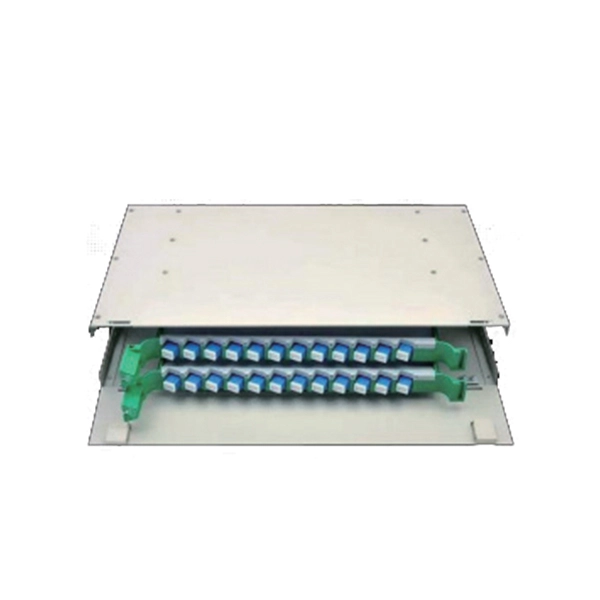
Low loss of fiber optic melting tray
Fusion splicing is the gold standard in fiber optic splicing. It connects two optical fibers by melting their ends together. The utility model discloses a double-sided fiber-melting integrated tray, relates to the field of communication optical cables, and aims to solve the...
[PDF Version]
-
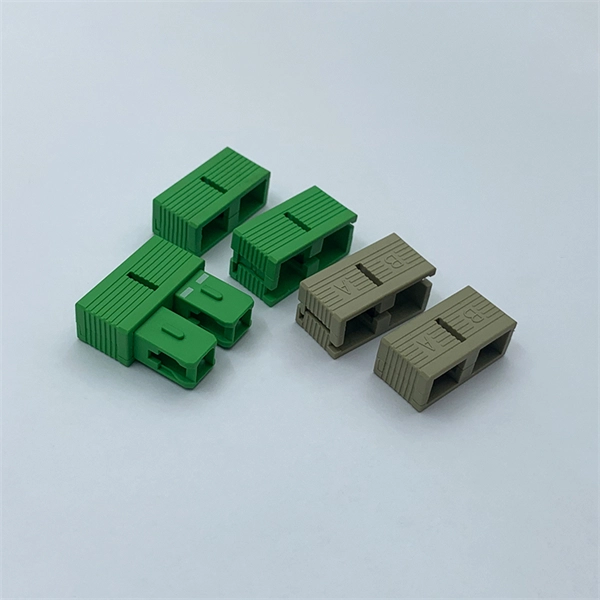
Fiber Optic Coupler Insertion and Removal Techniques
The document outlines the syllabus for a module on fiber couplers and connectors in optical fiber communications, focusing on fiber joint types, optical loss, and splicing techniques. Light from an input fiber can appear at one or more outputs. Fiber optic adapters, also...
-
Packet loss rate in optical fiber transmission
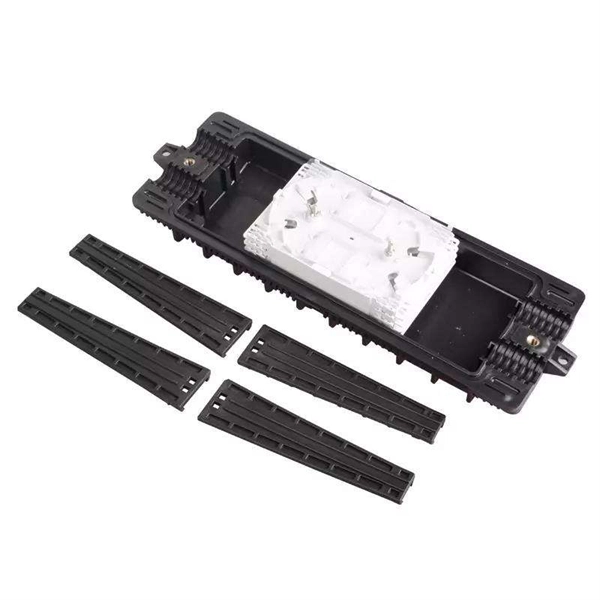
For multimode fiber, the loss is about 3 dB per km for 850 nm sources, 1 dB per km for 1300 nm. 5 dB/km max per EIA/TIA 568) This roughly translates into a loss of 0. A significant signal loss in the optical fiber can cause unreliable transmission and potentially result in...
[PDF Version]
-
Optical splitter national standard insertion loss
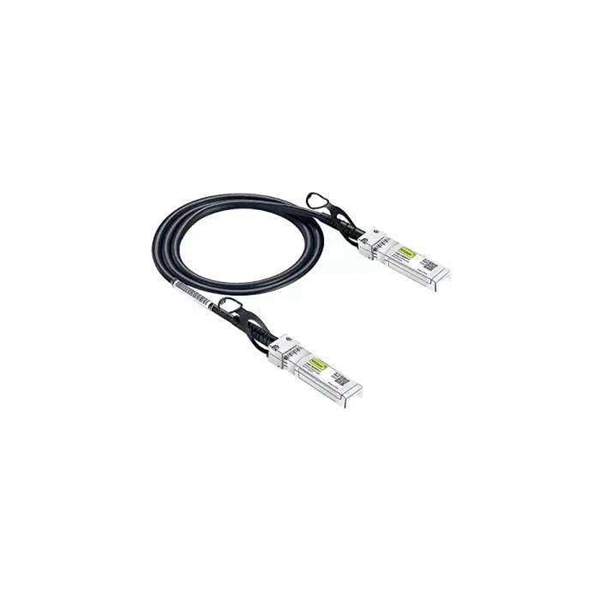
Testing a splitter or other passive fiber optic devices like switches is little different from testing a patchcord or cable plant using the two industry standard tests, OFSTP-14 for double-ended loss (connectors on both ends) or FOTP-171 for single-ended testing. Optical...
[PDF Version]
-
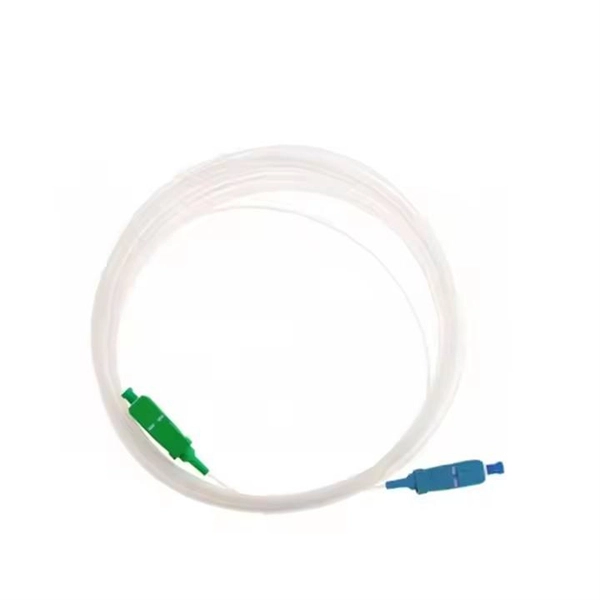
Do I need to return the fiber optic pigtail
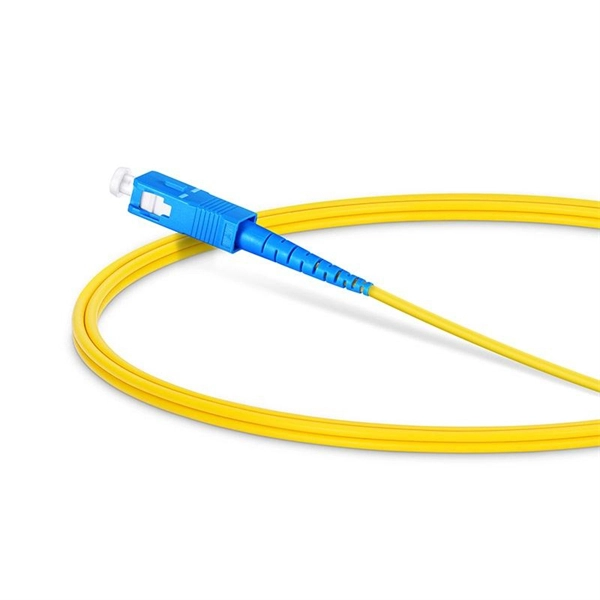
Use Fiber pigtails when you splice. Two main types: Jacket options: For a 144-port ODF, use 12-fiber LC UPC bunch pigtails. Color coding helps avoid mistakes. A labeled cable saves 30. No returns. Get the wrong connector type, the wrong polish, or skip proper fusion splicing...
[PDF Version]
-
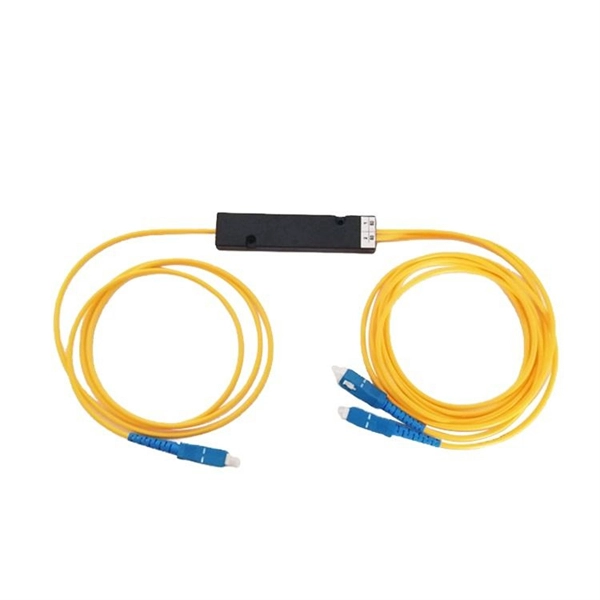
How to measure fiber optic loss
The conventional method, known as the cutback method, involves coupling fiber to the source and measuring the power out of the far end. This loss can be caused by a multitude of factors, ranging from intrinsic material properties to environmental conditions. While some loss...
-
How much loss occurs during fiber optic cable laying
Splice loss is the loss at each point where two fibers are joined. Modern fusion splicing of single-mode fiber produces typical losses of 0. 1 dB per splice when performed by a qualified technician on properly prepared fiber. 3 dB or. Optical fiber loss is a fundamental...
[PDF Version]