
Fiber Loss Understanding And Measuring It
Search optical fiber, connectivity, cable management and network infrastructure references.
- Fiber
- Loss
- Understanding
Articles and technical references
10 on this page-
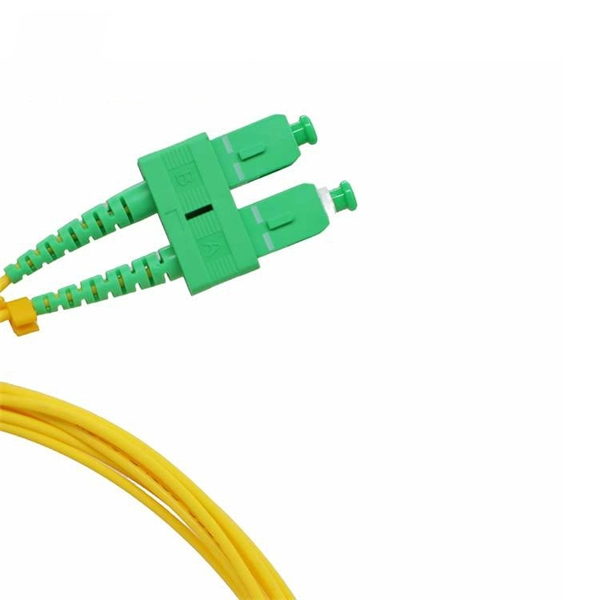
Five-point method for measuring fiber optic cable splice loss
Optical Fibre Splice Loss This application note discusses the splice loss measurement technique and investigates the extrinsic and intrinsic factors a ecti.
[PDF Version]
-
Fiber optic circulator measurement of fiber return loss
Optical return loss is the amount of light that is reflected back to the source, this reflected light is measured at each connector and splice at each point over the entire fiber link. It is also called. Beginning with software release 1. Optical return loss for individual...
[PDF Version]
-
Low loss of fiber optic melting tray
Fusion splicing is the gold standard in fiber optic splicing. It connects two optical fibers by melting their ends together. The utility model discloses a double-sided fiber-melting integrated tray, relates to the field of communication optical cables, and aims to solve the...
[PDF Version]
-
Packet loss rate in optical fiber transmission
For multimode fiber, the loss is about 3 dB per km for 850 nm sources, 1 dB per km for 1300 nm. 5 dB/km max per EIA/TIA 568) This roughly translates into a loss of 0. A significant signal loss in the optical fiber can cause unreliable transmission and potentially result in...
[PDF Version]
-
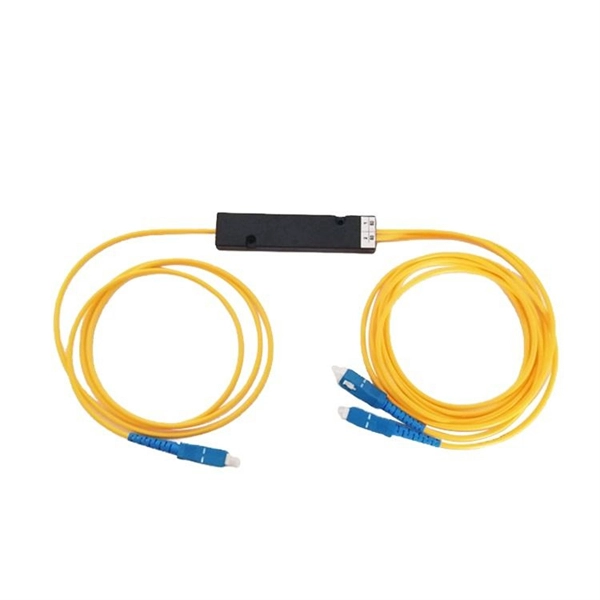
How to measure fiber optic loss
The conventional method, known as the cutback method, involves coupling fiber to the source and measuring the power out of the far end. This loss can be caused by a multitude of factors, ranging from intrinsic material properties to environmental conditions. While some loss...
-
How much loss occurs during fiber optic cable laying
Splice loss is the loss at each point where two fibers are joined. Modern fusion splicing of single-mode fiber produces typical losses of 0. 1 dB per splice when performed by a qualified technician on properly prepared fiber. 3 dB or. Optical fiber loss is a fundamental...
[PDF Version]
-
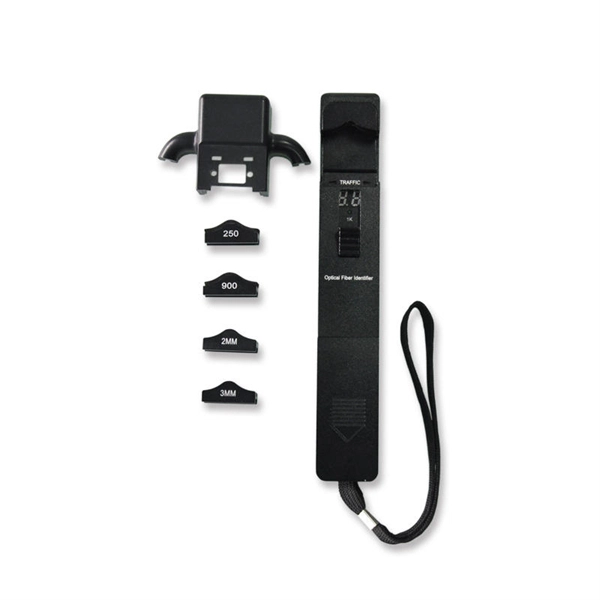
Fiber optic loss of 10dBm
A 10 dB loss means only 10% of the original power reaches the other end. The practical advantage of using dB is that losses are additive. 1 dB, your total link loss is simply 2. Fiber Optic Measurement Units: "dB" and "dBm" Whenever tests are performed on fiber optic...
[PDF Version]
-
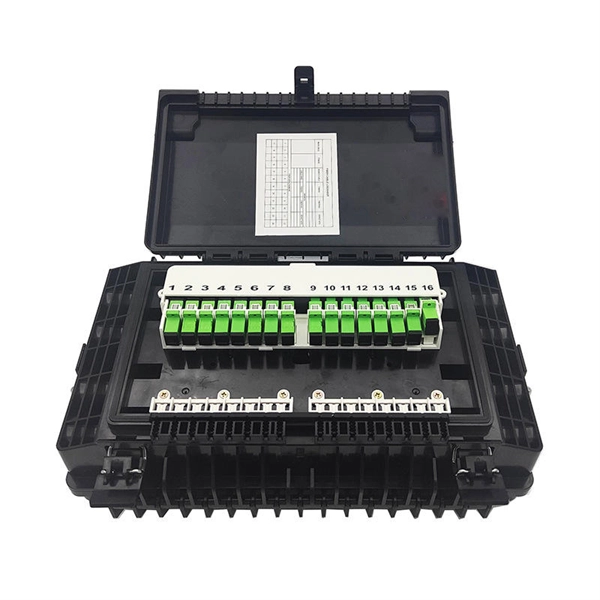
Fiber optic patch cord loops affect optical loss
In modern fiber optic installations, one of the most common yet underestimated mistakes is creating unnecessary loops or tight bends in the cable. These loops may seem harmless but can result in significant signal attenuation, compromising network performance. Insertion loss...
[PDF Version]
-
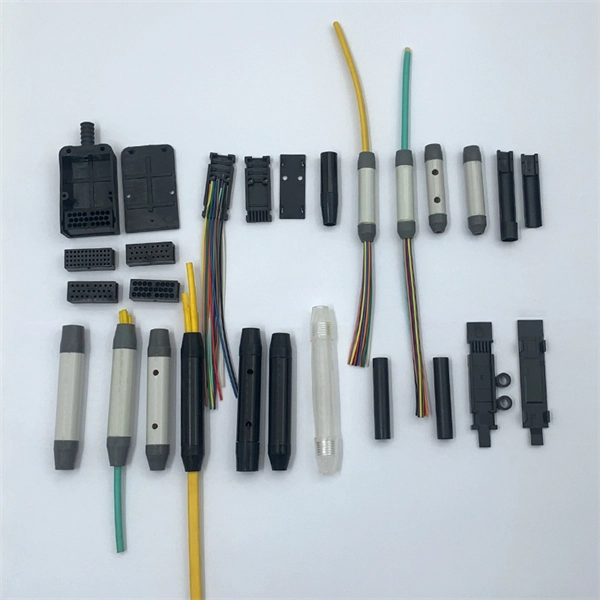
What are the two types of single-mode fiber loss
Understanding Fiber-Optic Cable Signal Loss, Attenuation, and. To determine the power budget and power margin needed for fiber-optic connections, you nee.
[PDF Version]
-
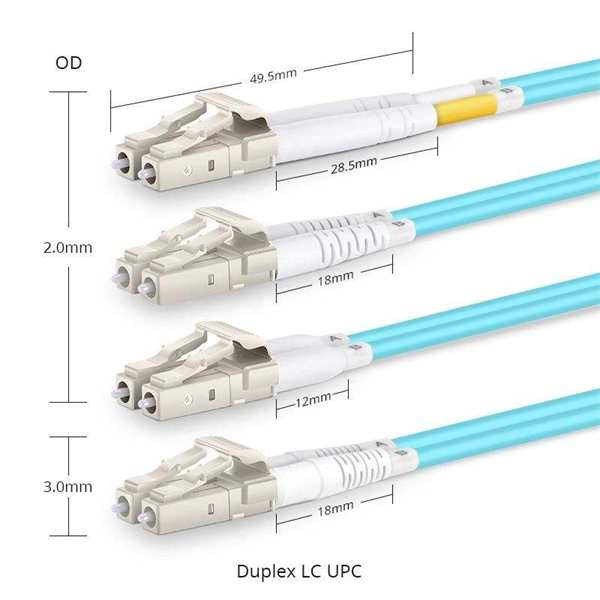
Solving Loss Problems in Optical Fiber Communication
Check Fiber Cables : Look for visible damage, sharp bends, or loose connectors. Clean Connectors : Use lint-free wipes and isopropyl alcohol to remove dust or oil. Fiber loss, also called fiber optic attenuation or attenuation loss, refers to the loss of signal between input...
[PDF Version]