
Fiber Optic Attenuation Explained Causes Loss Budget Solutions
Search optical fiber, connectivity, cable management and network infrastructure references.
- Fiber
- Optic
- Attenuation
Articles and technical references
9 on this page-
Fiber optic circulator measurement of fiber return loss
Optical return loss is the amount of light that is reflected back to the source, this reflected light is measured at each connector and splice at each point over the entire fiber link. It is also called. Beginning with software release 1. Optical return loss for individual...
[PDF Version]
-
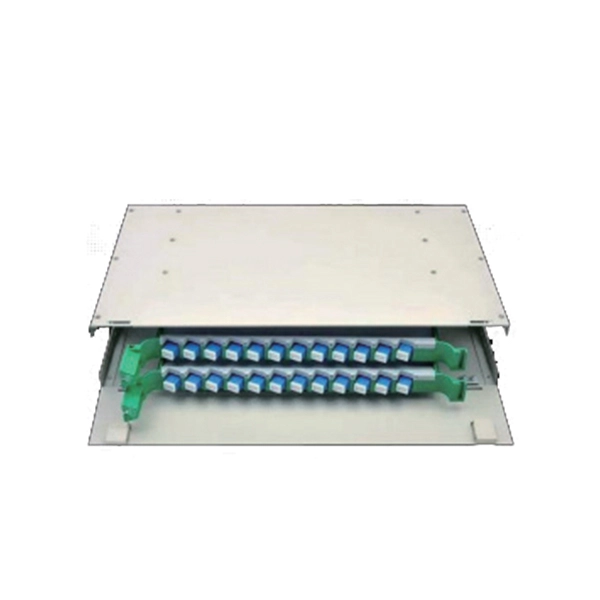
Low loss of fiber optic melting tray
Fusion splicing is the gold standard in fiber optic splicing. It connects two optical fibers by melting their ends together. The utility model discloses a double-sided fiber-melting integrated tray, relates to the field of communication optical cables, and aims to solve the...
[PDF Version]
-
How to reduce fiber optic cable attenuation
Regularly clean fiber optic connectors to prevent signal loss and improve network performance. Use proper cable management to avoid excessive bending, which can lead to increased attenuation. Understanding it is crucial for anyone involved in data centers, telecommunications...
-
Fiber optic red light source for field operations has a 5m attenuation blind zone
Its red laser shines through most jacketed fibers to help you pinpoint breaks, bends, faulty connectors, splices or other causes of signal loss. With 5 mW of output, the high-power VFL has a reach of up to 12 km (typically, depending on fiber attenuation and on ambient light...
[PDF Version]
-
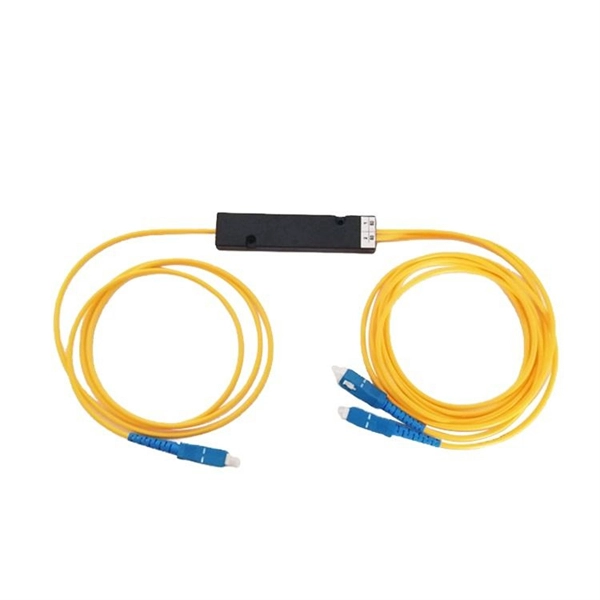
How to measure fiber optic loss
The conventional method, known as the cutback method, involves coupling fiber to the source and measuring the power out of the far end. This loss can be caused by a multitude of factors, ranging from intrinsic material properties to environmental conditions. While some loss...
-
High attenuation in drop fiber optic cable splicing
Fiber misalignment is a byproduct of the splicing process and can occur with any splice. Intrinsic factors, such as the refractive index of the fiber, are those that are inherent to the fiber itself. 2dB/km (typical SMF-28e+ at 1550nm), you've got 20dB of loss due to the...
-
How much loss occurs during fiber optic cable laying
Splice loss is the loss at each point where two fibers are joined. Modern fusion splicing of single-mode fiber produces typical losses of 0. 1 dB per splice when performed by a qualified technician on properly prepared fiber. 3 dB or. Optical fiber loss is a fundamental...
[PDF Version]
-
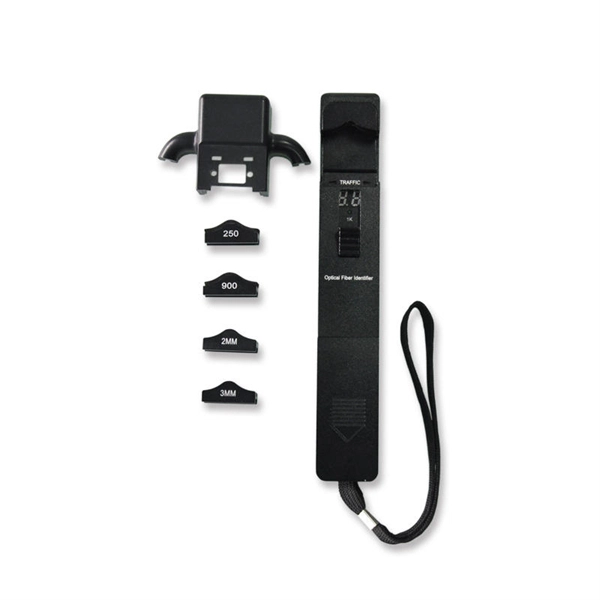
Fiber optic loss of 10dBm
A 10 dB loss means only 10% of the original power reaches the other end. The practical advantage of using dB is that losses are additive. 1 dB, your total link loss is simply 2. Fiber Optic Measurement Units: "dB" and "dBm" Whenever tests are performed on fiber optic...
[PDF Version]
-
The fiber optic cable attenuation point is too large
When attenuation rises, you see reduced data speeds and higher error rates. Fiber optic signal loss, also known as attenuation, occurs when optical signals weaken as they travel through the fiber. You fix this by cleaning connectors, checking bends, and using loss budget...
[PDF Version]